
Last updated November 15, 2026
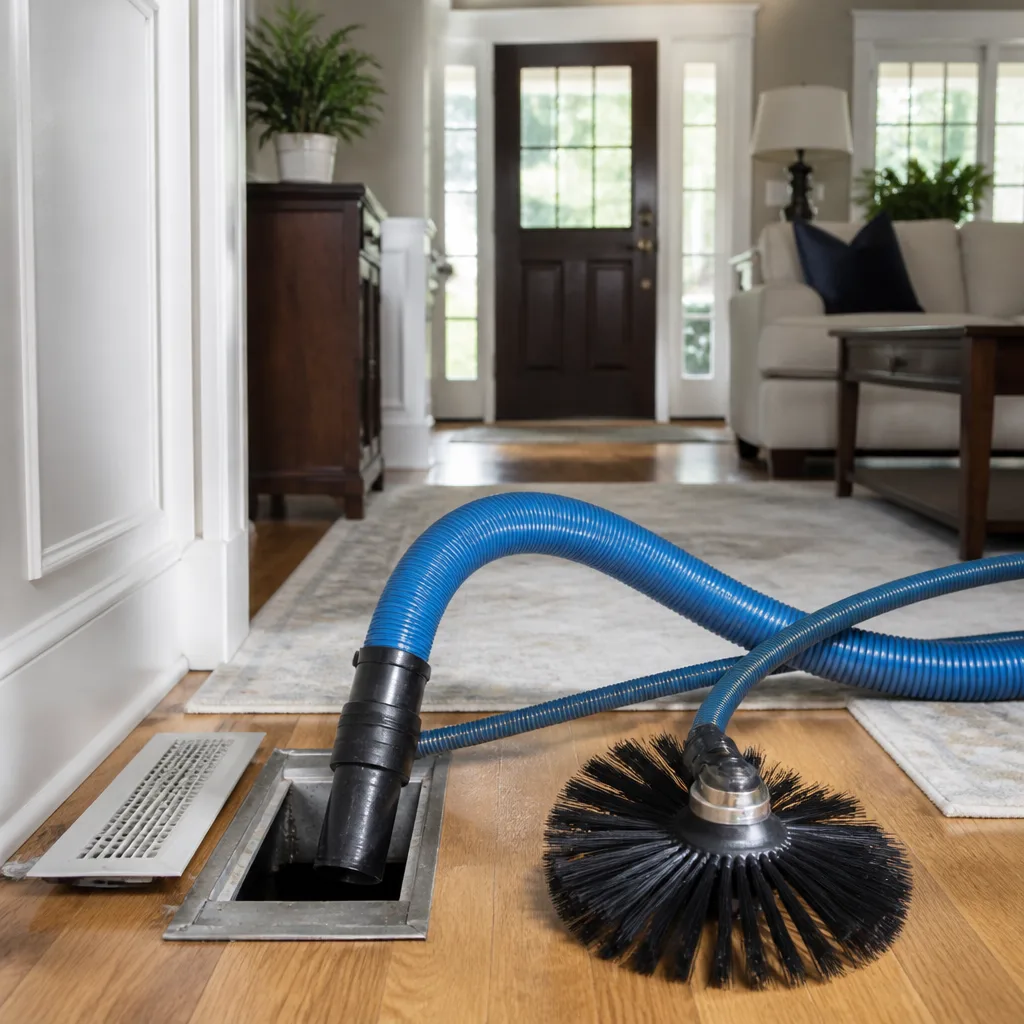 Whole-home duct cleaning
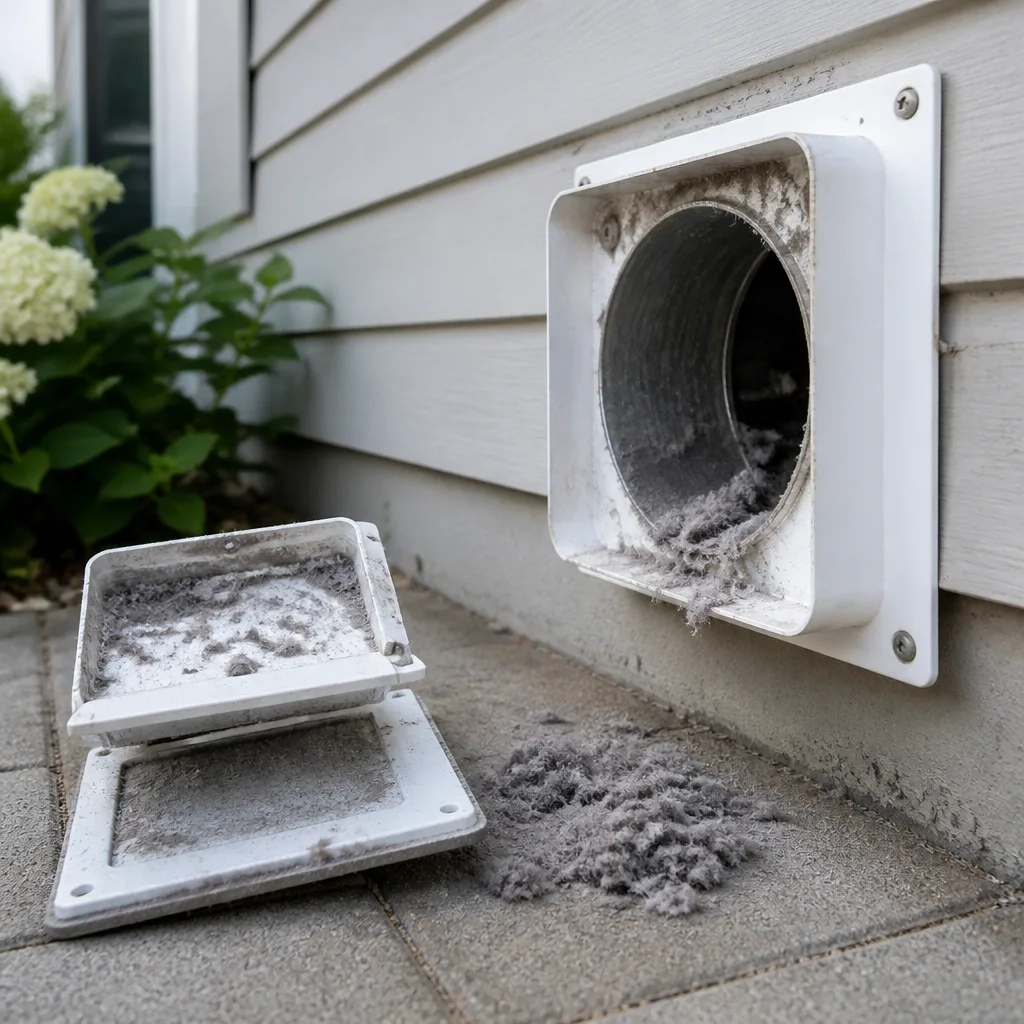 Dryer vent cleaning
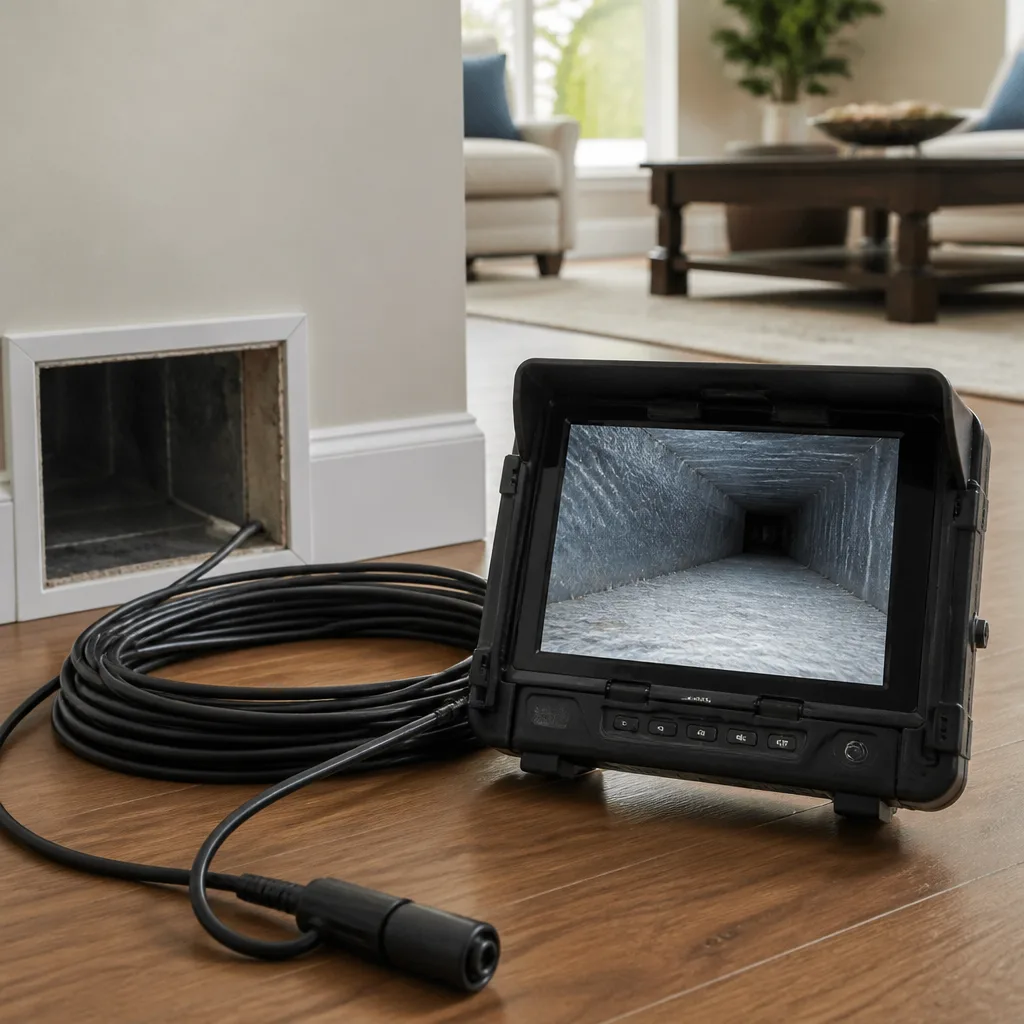 Camera inspection
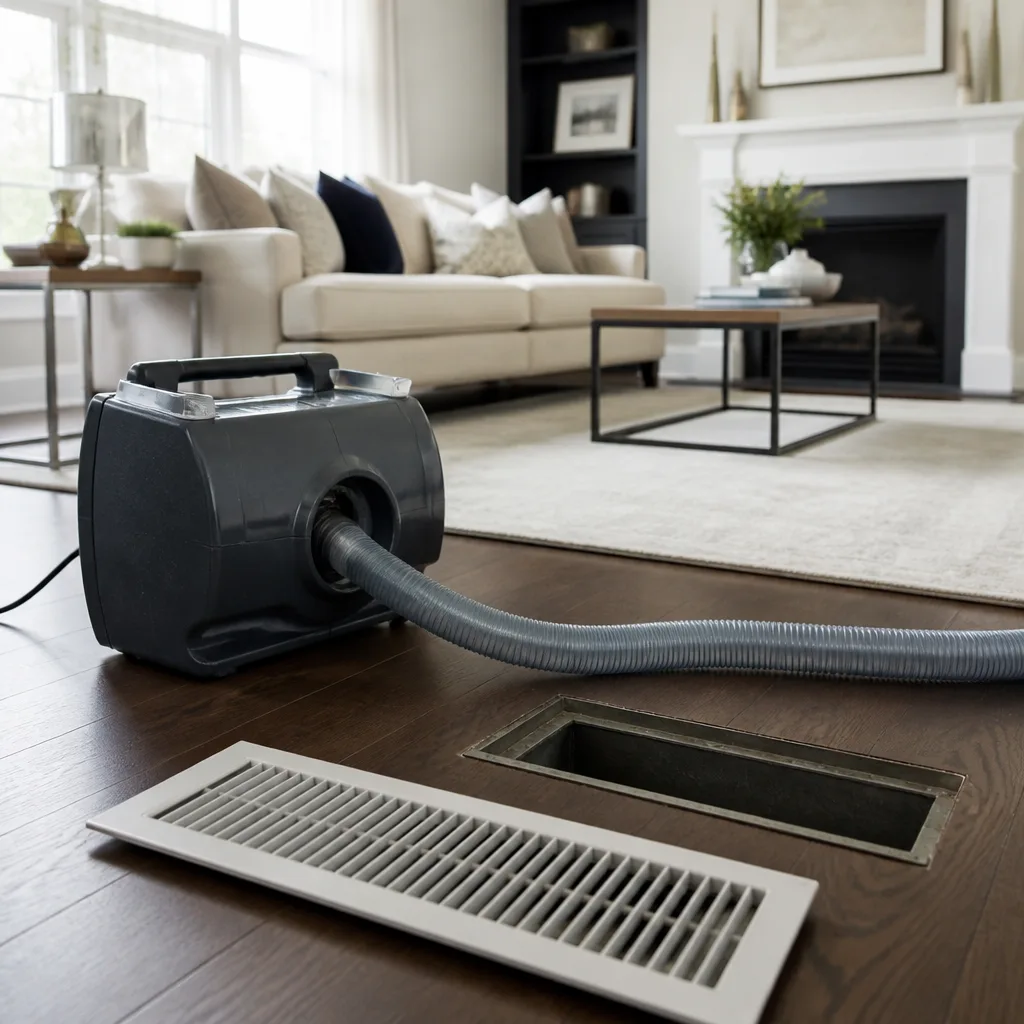 Sanitizing & deodorizing
Whole-system duct and dryer vent check with before-and-after photos - you see exactly what came out of your vents
That "$99 whole-house special" is a bait ad - the real number appears once they are in your hallway, or the "clean" is a shop-vac at the register. We photograph the inside of your ducts before and after instead.
Air Duct Cleaning Cost Breakdown: The Reno Homeowner’s Reference for 2026
The national average for duct cleaning is often quoted at $300 to $500. That figure tells you almost nothing, because it averages together a company that spends 45 minutes with a shop vac and a crew that runs HEPA extraction for three hours with two technicians on site. The price on the invoice and the work behind it have almost no fixed relationship. In Reno, where forced-air systems fight high-desert dust, wildfire smoke intrusions and dry winter air, what you’re really paying for is time, equipment and scope, not a coupon number. This guide breaks down what each cost tier actually buys, what low-price operators cut to get there, and how to compare quotes with a metric that holds up: cost per duct opening.
Quick Answer
A legitimate whole-home air duct cleaning in Reno typically costs $400 to $900 for an average single-family home, with larger homes, difficult access or heavy debris pushing toward $1,000 and up. That range covers a true multi-stage process with mechanical agitation, HEPA-rated extraction and containment. Anything advertised under $150 is almost always a different, much smaller job than the one you think you’re buying.
Styles & brands we work with
- Whole-home duct cleaning
- Dryer vent cleaning
- Camera inspection
- Sanitizing & deodorizing
Table of Contents
- Why duct cleaning prices in Reno vary so widely
- The Reno-specific factors that move your price
- A line-by-line breakdown of what a professional job costs to deliver
- What low-price operators cut to hit $99 to $150
- Add-ons worth paying for versus upsells to skip
- How to calculate cost per duct opening
- A step-by-step way to compare competing quotes
- Why duct repair changes the math
Why duct cleaning prices in Reno vary so widely
There’s no licensing body that sets a standard scope for residential duct cleaning, and no agreed definition of what “a cleaning” includes. Two companies in Reno can quote $120 and $700 for the same house and both be describing something real. The difference is what’s happening during the visit. One operator drives a van with a portable vacuum and a hose, runs it for less than an hour, and leaves. The other brings mechanical agitation tools, a HEPA-rated vacuum system, and negative-air containment, and spends two to three hours with two technicians. Those aren’t the same product.
The gap shows up in three places: equipment, labor time and coverage. Equipment determines whether debris is genuinely dislodged from duct walls or just disturbed. Labor time determines how many runs actually get worked. Coverage determines whether the whole system gets attention or only the trunk line and the easy drops. When a price looks too good, one or more of those has been reduced somewhere.
A useful reframe: think of duct cleaning the way you’d think of a brake job. There’s a cheap version that replaces the pads and a correct version that resurfaces the rotors and checks the calipers. The cheap one isn’t fraud, it’s just a smaller job. The problem in duct cleaning is that nobody tells the homeowner which job they bought. Our goal here is to make that visible, so you can read a quote and understand exactly what tier it represents.
The Reno-specific factors that move your price
Reno houses aren’t all the same, and the price range reflects that. Six factors drive most of the variation:
- Square footage and system size. A 1,400-square-foot home with a single air handler is a very different job from a 3,200-square-foot two-story with zoned systems. More conditioned space means more duct runs, more registers and more labor hours.
- Duct count. The number of supply and return openings is the most reliable proxy for scope. Count yours before you call for a quote; it puts you on equal footing with the estimator.
- Accessibility. Ducts buried behind finished walls, flex runs crammed into tight attics, and crawlspace trunk lines in older Reno neighborhoods all add time. Attic-run systems in the summer heat are slow work, and slow work is priced honestly.
- Age and condition of the system. Decades-old sheet metal ductwork often has separated joints and settled debris. A system that has never been cleaned, or hasn’t been in a long time, holds more material than one that’s been serviced.
- Insulation debris and liner damage. Interior duct liner that’s breaking down, or fiberglass insulation that’s been pulled into the airstream, has to be handled with care and often feeds into repair work.
- Smoke damage or heavy contamination. After a wildfire smoke event in the Truckee Meadows, or following any fire or water intrusion, the job involves more careful containment and often more time. Smoke residue doesn’t just sit in the filter; it coats the duct walls and needs real agitation to remove.
Reno’s high-desert climate matters too. Summers are hot and dusty, winters are dry, and the spring wind pushes fine particulate into every gap. That’s not a reason to clean more often than any other city, but it is a reason the accumulated debris in a Reno system often runs heavier than homeowners expect when they finally look inside a vent with a flashlight.
A line-by-line breakdown of what a professional job costs to deliver
Here’s a rough picture of where the money goes on a real whole-home job in Reno, using a mid-sized home as the example. The exact numbers vary by company, but the cost structure is consistent:
- Labor (two technicians, 2 to 3 hours): the largest single line. This is the time to set up containment, work each run with agitation, extract, inspect and document. Honest labor time is the main thing a low-bid operator is cutting.
- Equipment overhead and depreciation: a Rotobrush-style mechanical brushing system agitates debris off duct walls rather than just blowing air; a Nikro HEPA-rated vacuum captures particles down to 0.3 microns; Abatement Technologies negative-air containment keeps contaminants from migrating into living space. This equipment isn’t cheap to buy, maintain or transport, and a portion of every job pays for it.
- HEPA filter replacement and consumables: HEPA filters are a real recurring cost. The more jobs a company runs, the more often filters get swapped. That cost has to live somewhere in the price.
- Containment materials and setup: negative-air machines, sealing tape, drop cloths and inlet covers. The setup is invisible after the fact, which is exactly why it’s worth knowing it happened.
- Documentation and follow-up: before-and-after photos of your own ducts, a written summary of what was found, and reporting on any damage that needs repair.
Add those together and the floor for a legitimate, equipment-driven whole-home job is well above the teaser numbers you’ll see advertised. When we look at the a real air duct cleaning quote, the single number should map back to these categories. If it doesn’t, ask what was left out.
What low-price operators cut to hit $99 to $150
A $99 special isn’t usually a bait price in the fraud sense. It’s the price of a much smaller service than the homeowner thinks they bought. Here’s the standard playbook, in our experience:
- The vacuum never gets into most of the system. A portable unit at the main trunk pulls from wherever it reaches. Flex runs behind walls never see real suction or agitation.
- No mechanical agitation. Air-only “whip” cleaning disturbs the top layer of dust and drives the rest back onto the duct walls once the system runs again.
- No HEPA-rated extraction. Loose dust that gets stirred up during the visit ends up in the living space instead of a sealed filter. The homeowner notices a haze or a smell and assumes the ducts are now worse.
- No containment. Without negative-air control, contamination migrates freely between rooms during the job.
- Under 45 minutes of labor. A real whole-home job takes two people most of a morning. One person for under an hour is a different job.
- Upsell pressure once on site. This is where a $99 visit becomes a much larger invoice. Finding mold, damaged liner or a “must-clean” system after the technician has already arrived is a classic pattern.
- No documentation. No before-and-after photos of the ducts, no record of what was found, nothing that would let a reviewer verify the work.
The downstream cost of a superficial job is that you pay twice: once for the visit and again for the cleaning you intended to buy. And a system that’s been agitated but not extracted can look dustier in the days after than it did before. Compare that against a documented process using Rotobrush agitation, HEPA-rated extraction and proper containment, and the price differences land where they should.
Add-ons worth paying for versus upsells to skip
Add-ons are where the most honest and the most inflated charges live side by side. Here’s the practical split.
Worth paying for:
- Dryer vent cleaning. Lint buildup in the dryer vent line is a real fire risk, not a maintenance afterthought. A dedicated dryer vent cleaning gets the full vent line cleared, from the dryer connection through to the exterior termination, and it’s a safety service with its own justification. Treat it as a standalone job, not something to bundle into the duct price.
- Coil cleaning. The evaporator coil sits in the airstream, and a fouled coil hits efficiency and airflow. Where access allows a proper cleaning, the cost is easy to justify.
- Air duct repair. If the visit uncovers separated joints, crushed flex runs or holes in the ductwork, fixing them is the difference between cleaning that lasts and cleaning that undoes itself at the next heating cycle.
- Protective treatment where appropriate. A Guardsman-grade protective treatment applied after cleaning can add a defensive layer that extends the results past the day of service. It’s an add-on, not a requirement.
Where to question the charge:
- Per-vent pricing that scales with the number of openings and, somehow, always doubles the invoice.
- “Sanitizing” as a mandatory step. A proper cleaning reduces the material that would grow; sanitizer is a different service with its own justification.
- Same-day upsells based on a visual inspection with no photos and no explanation you can repeat back.
The test for any add-on: does the company explain what equipment and time the add-on actually requires? If yes, the price is doing real work. If no, it’s a margin line. Our approach on a Duct Cleaning Reno job is to price one flat amount per system agreed before work starts, so the add-ons you accept are chosen on their own merits instead of pressure.
How to calculate cost per duct opening
This is the single most useful number when you’re comparing quotes. It normalizes two different-scope jobs so the difference becomes visible. Here’s how to run it:
- Count every supply and return opening in your home. Write the number down.
- Ask each company for a fixed whole-home price (not a per-vent price, and not a starting-at number).
- Divide the quoted price by the number of openings.
- Ask what the quoted price includes: mechanical agitation, HEPA-rated extraction, containment, before-and-after photos, coil cleaning, dryer vent separately.
If one quote works out to $25 per opening and another to $90, the $25 one has almost certainly included agitation and extraction for less than the equipment and labor cost. That math doesn’t work. Either the scope was cut or the price will move once the technician is on site. The $90 quote is in a range where the work can actually be delivered the way it was described.
Per-vent pricing hides the same problem. If a per-vent quote is $30 and you have 20 openings, you’re at $600 before add-ons, which is fine as a number, but the scope can still shrink once the technician sees the house. Flat pricing per system, with the number written down in the estimate, is the format that lets cost per opening mean something.
A step-by-step way to compare competing quotes
Here’s the exact sequence we recommend for a homeowner working through two or three quotes in Reno:
- Collect three quotes. Get each in writing, with the scope described in plain language.
- Ask what equipment each company brings. “What vacuum, what agitation tool, do you use negative-air containment?” An honest answer names the equipment.
- Ask for a sample of before-and-after photos from a past job. Photos of the customer’s own ducts should follow the visit. A company that won’t show you what the documentation looks like has probably not produced any.
- Ask about repair. Does the company repair ductwork it finds damaged, or does it flag and leave? A duct repair capability in-house avoids a second contractor and a second estimate.
- Ask about the dryer vent separately. A dedicated dryer vent cleaning should be its own line item, not rolled into the duct price.
- Run the cost-per-opening calculation against each quote and notice where the outliers sit.
- Confirm what’s included at no extra charge. Accessing the system, moving furniture around the registers, disposing of the extracted debris.
Ask whether the company works with Honeywell and Aprilaire whole-home systems. Those systems tie the ductwork into filtration and humidity control, and a technician who understands the connection cleans differently. They know where the filter housing and the bypass dampers sit, and they don’t accidentally foul a component that wasn’t part of the original scope. The same question tells you a lot about the depth of the company’s knowledge.
Any honest comparison starts with the same figure from every company: total price for the same scope. The rest is commentary.
Why duct repair changes the math
The single most common thing we find on a first cleaning is ductwork that leaks. Flex runs that have come apart at a joint, sheet metal that’s separated at a seam, crushed runs where the air handler connects. A dirty duct system with leaking ductwork will not stay clean. The leaks pull attic or crawlspace air back into the system on the return side, and every heating cycle deposits fresh dust on the walls that were just cleaned.
That’s why we treat repair as part of the same visit rather than a follow-up. When a duct repair is in scope, the cleaning holds, and the homeowner gets the efficiency improvement along with the air quality benefit. Duct tape and a shop-vac cleaning will not fix a leak, and quoting a cleaning that ignores a visible separation is quoting half the job.
When you’re budgeting, ask the estimator directly: if you find a leak during the cleaning, what happens? The answer tells you whether you’re dealing with a company that cleans or a company that cleans and repairs.
Common Mistakes to Avoid
- Accepting a coupon price as a total. A $99 figure is the entry ticket, not the estimate. Ask for the fixed whole-home price in writing before anyone comes out.
- Failing to count your own duct openings. Without the count, you can’t run the cost-per-opening comparison, and you can’t tell a real scope from a teaser.
- Skipping the equipment question. “What vacuum and what agitation tool do you use?” separates a documented HEPA-driven process from a shop-vac visit. The answer should be specific.
- Paying for cleaning while a leak stays open. In Reno’s climate, attic and crawlspace air comes back in through the same leaks. A duct repair in-scope costs more up front and saves you the second visit.
- Treating the dryer vent as a covered add-on. It’s a fire-safety service with its own scope. If a company folds it into the duct price, ask what the vent-line clearance actually includes.
- Ignoring the whole-home air quality system. If you have a Honeywell or Aprilaire system, the ducts are only one part of the picture. A company that understands the system cleans without disturbing the parts you aren’t paying for.
- Not asking for before-and-after photos of your own ducts. Documentation is the simplest proof the work happened. Any company running a real process will have it.
See the difference
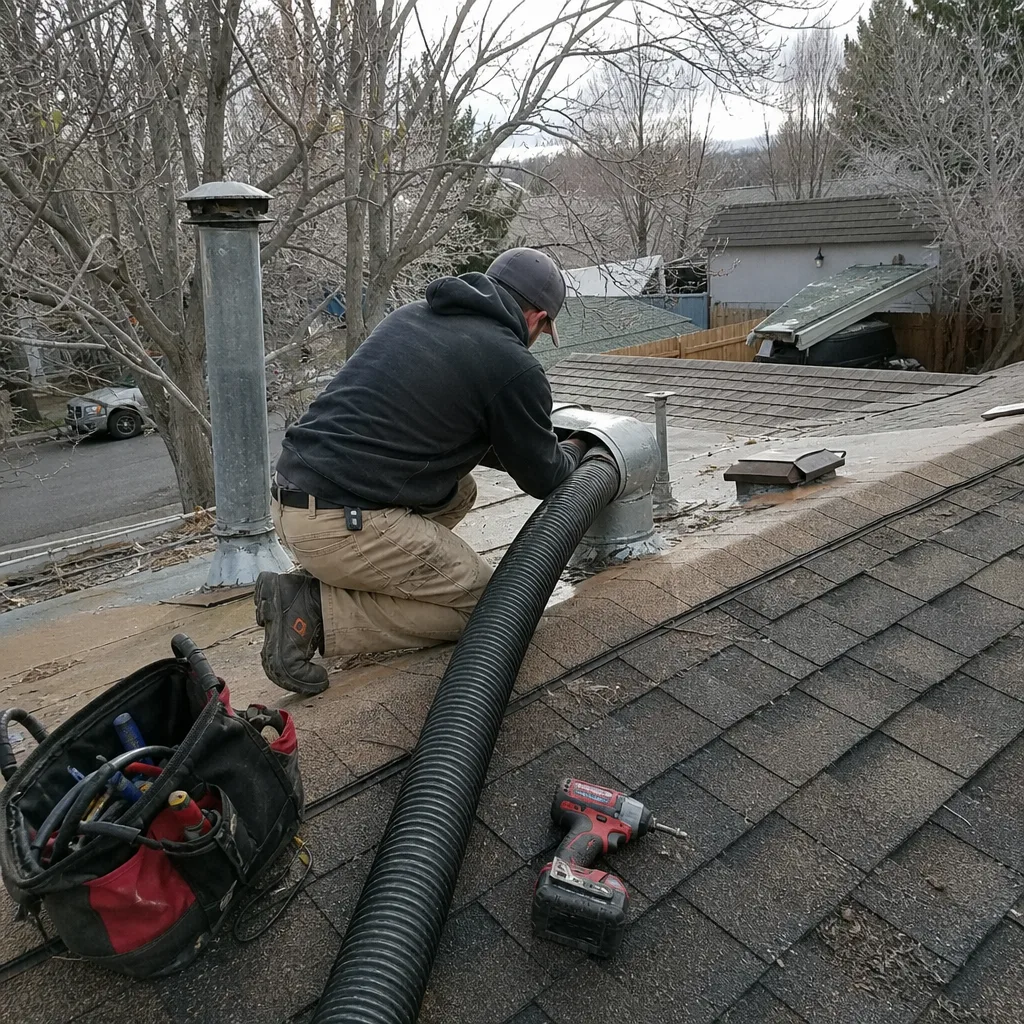 Before
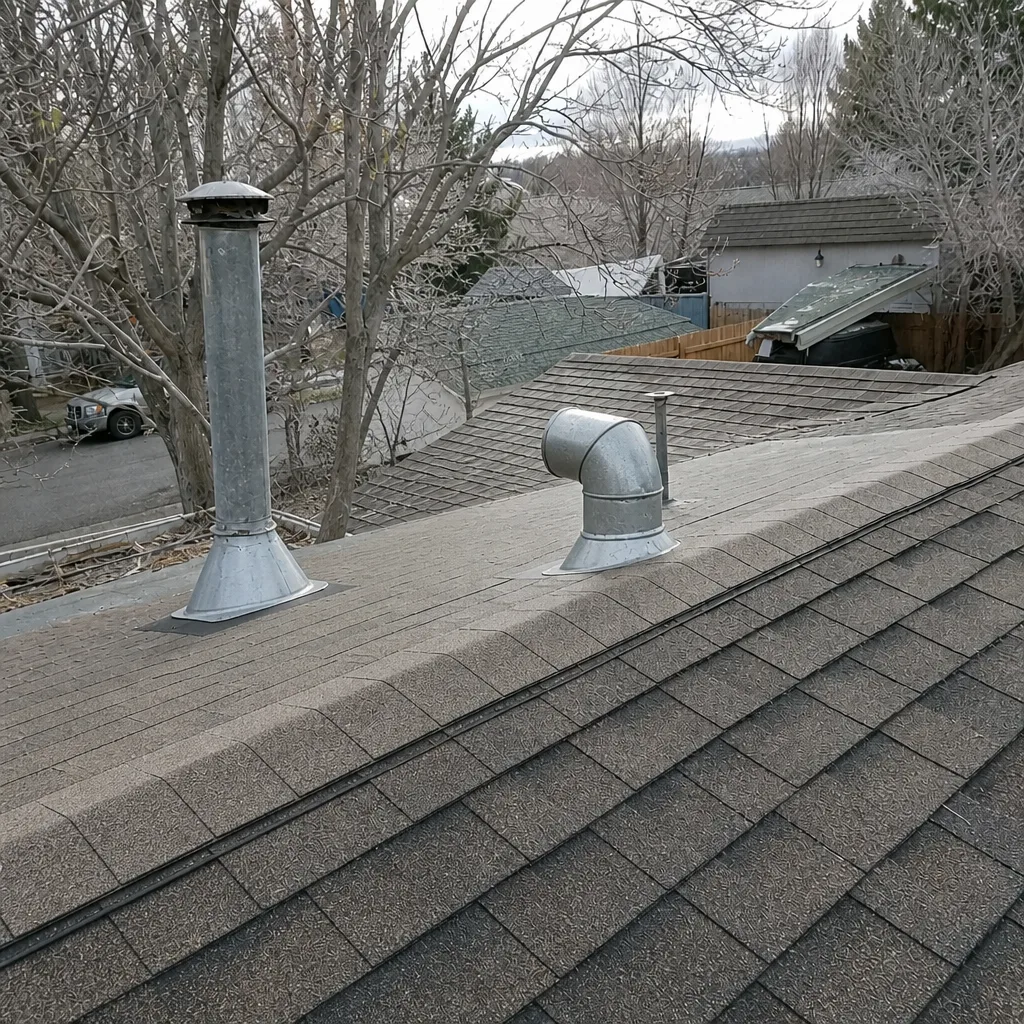 After
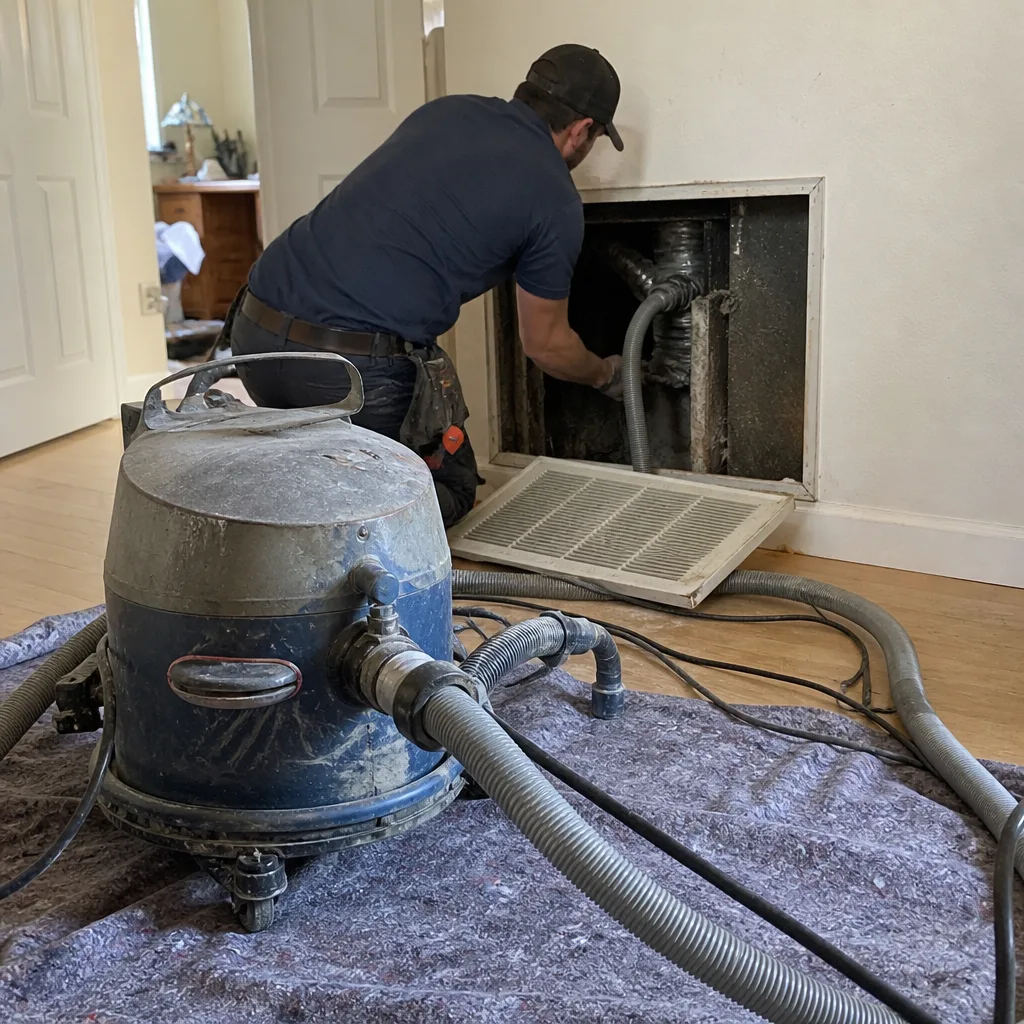 Before
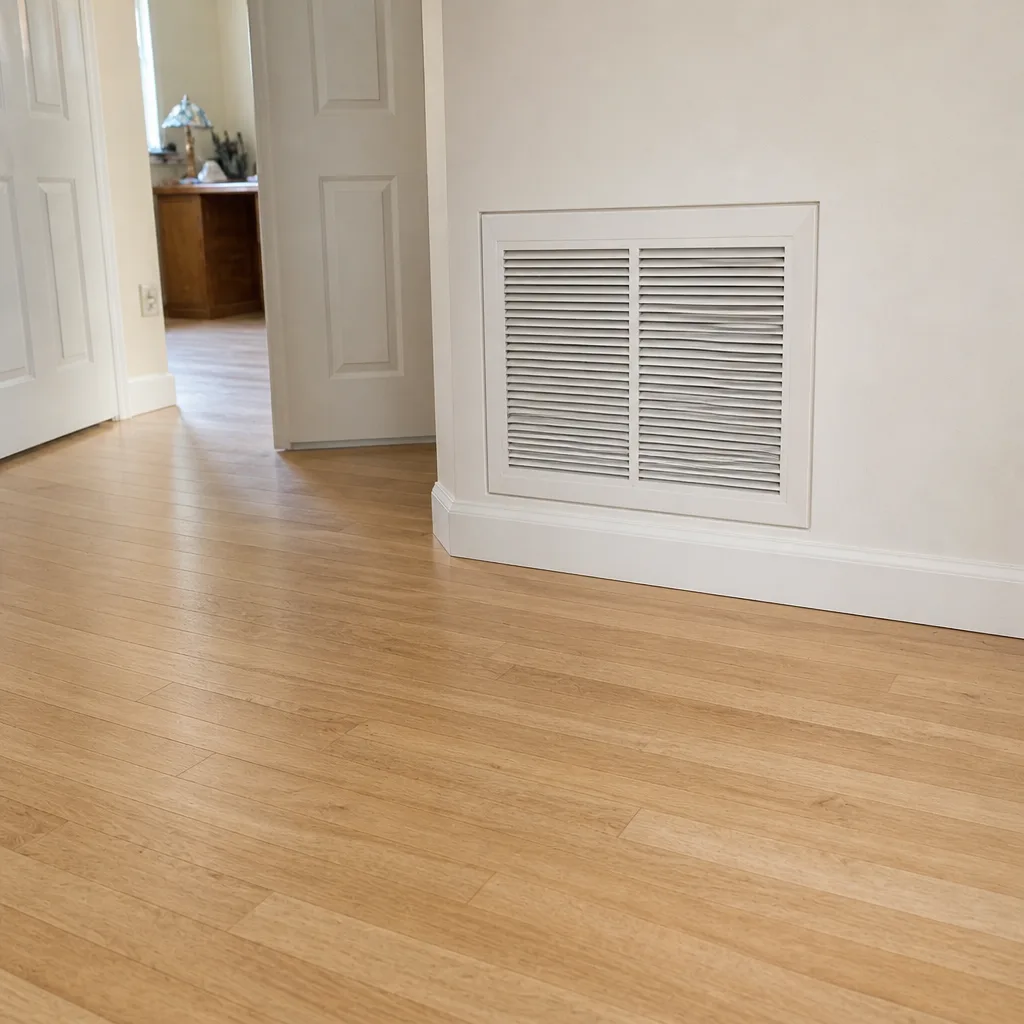 After
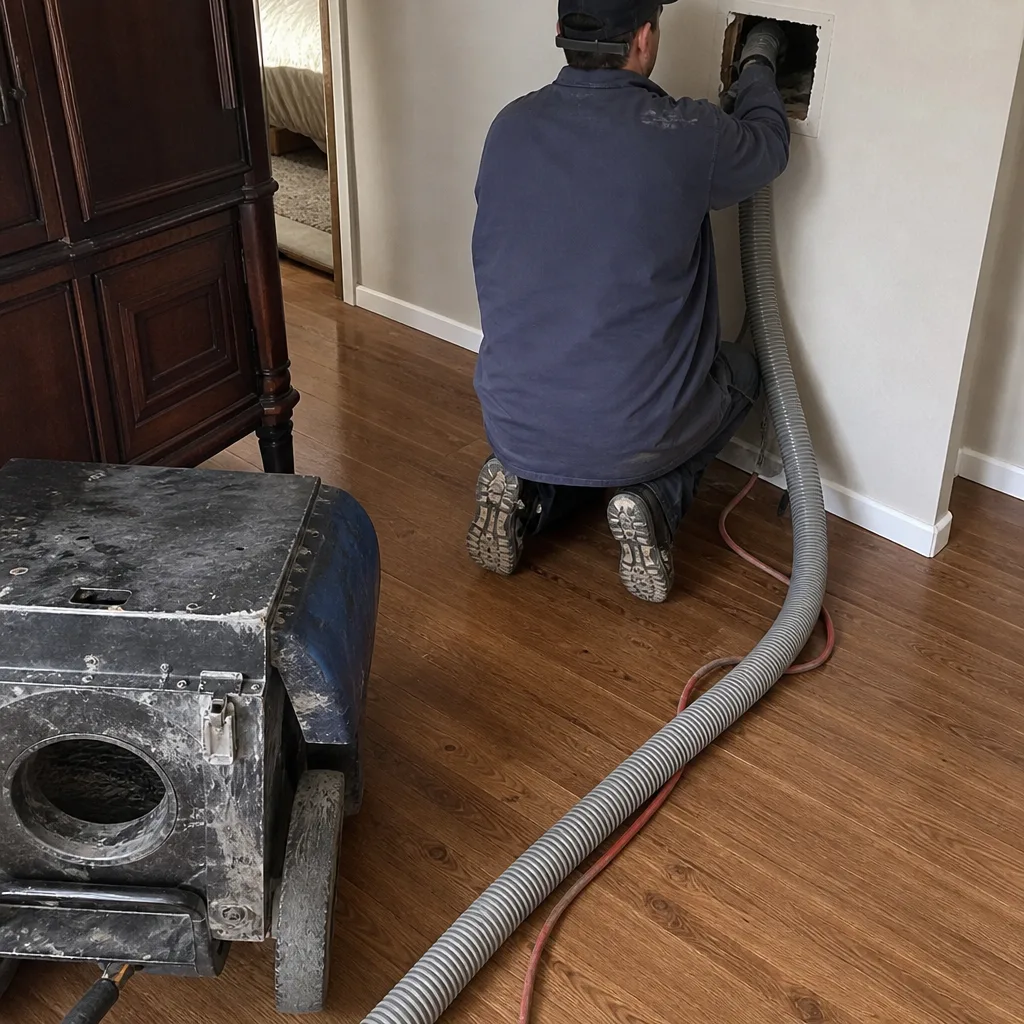 Before
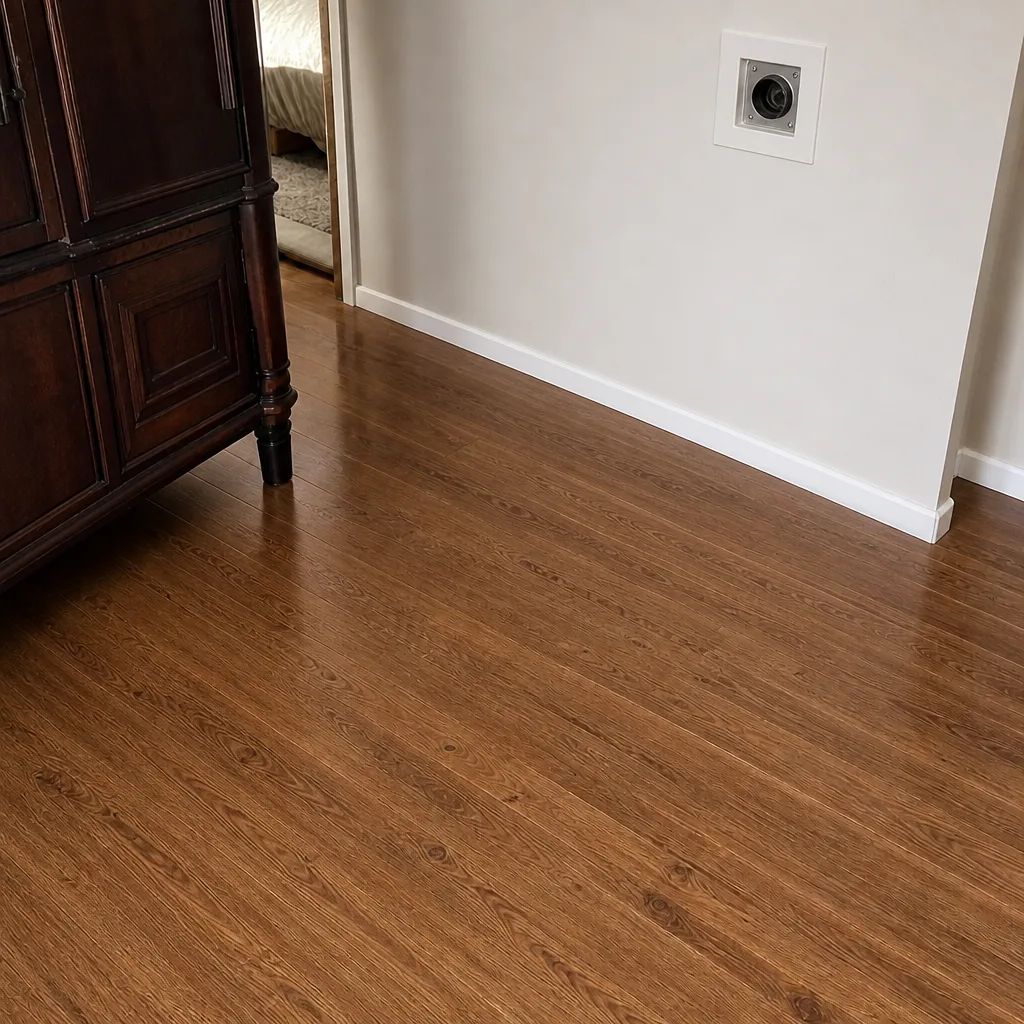 After
When to Call a Professional
Duct cleaning is not a visit-every-year item for most Reno homes. It’s warranted when there’s a reason. Recent remodeling, a system that’s never been cleaned since the home was built, visible debris or dust blowing from the registers, allergy symptoms that show up in specific rooms, or a wildfire smoke event that pushed smoke into the return side. Dryer vents sit on a different schedule; if the lint trap fills fast and the dryer takes longer than it used to, get the vent line checked. Any work that touches high-tension springs, electrical connections or gas lines should go to a trained professional without exception; duct cleaning doesn’t involve those components, but the repair that follows sometimes does.
Our technicians have up to 15 years of experience with residential ductwork and the equipment that cleans it properly. We work with the same class of tools used in commercial remediation, and we repair what we find rather than flagging it and leaving. We answer 24/7. Fast dispatch from 7am to 7pm, Sunday through Friday. Duct Cleaning Reno offers free estimates in Reno. Call (866) 361-7643.
Frequently Asked Questions
Typical whole-home air duct cleaning in Reno runs $400 to $900 for an average single-family home, and higher on larger houses, difficult access or heavy contamination. That range covers mechanical agitation, HEPA-rated extraction and containment. Call (866) 361-7643 for an exact quote. Estimates are free.
Low quotes usually reflect a smaller job, not a discounted version of the same job. A $99 to $150 price typically means a portable vacuum, no mechanical agitation, no HEPA-rated extraction, no containment, and under 45 minutes of work. The scope was cut to fit the price. Ask what equipment and labor hours each quote includes before comparing the total. Call (866) 361-7643 with your duct count and we’ll walk you through the difference.
Ask for before-and-after photos of your own ducts and a written summary of what was found. A company running a real process will have both, and the photos should show the specific runs in your home. If a company can’t produce documentation of the type they’ll give you, ask why. Call (866) 361-7643 to schedule an estimate and see the format.
Most homes don’t need it on a set schedule. Remodeling, a never-cleaned system, a wildfire smoke event or visible dust from the registers are the usual triggers. A well-maintained home with a healthy filter routine can go much longer between cleanings. Call (866) 361-7643 if you’re not sure whether your home is due.
No. Dryer vent cleaning is a separate safety service with its own scope and its own estimate. It’s not folded into the duct cleaning price, and it shouldn’t be. Lint buildup in the vent line is a real fire risk, so it’s worth pricing on its own. Call (866) 361-7643 for a combined quote.
Yes. Duct repair is part of the same visit when damage is found, not a separate follow-up with another contractor. Separated joints, crushed flex runs and holes in the return line get corrected before the cleaning is signed off. A cleaning that leaves a leak open is half the job. Call (866) 361-7643 to have repair included in your estimate.
The Bottom Line
The number on a duct cleaning quote means nothing without the scope behind it. Two jobs in Reno at $150 and $750 can both be honest, but they aren’t the same cleaning. Use the cost-per-opening calculation to normalize quotes, ask about equipment by name (Rotobrush, Nikro HEPA, Abatement Technologies, Aprilaire, Guardsman), and confirm that agitation, extraction, containment, documentation and repair are all in scope. Our approach is one flat price per system agreed before work starts, no per-vent pricing, and before-and-after photos of your own ducts. The written estimate sets the final price, and it holds. We stand behind that placement because it’s the only way to compare prices honestly.
If you’re ready to get a real number for your Reno home, call (866) 361-7643 for a free estimate. Our technicians have up to 15 years of experience. We answer 24/7. Fast dispatch from 7am to 7pm, Sunday through Friday. You can also read more about what our dryer vent cleaning covers, how we handle Reno homes across the valley, and the full range of local service.
Written by the team at Duct Cleaning Reno.