
Last updated November 15, 2026
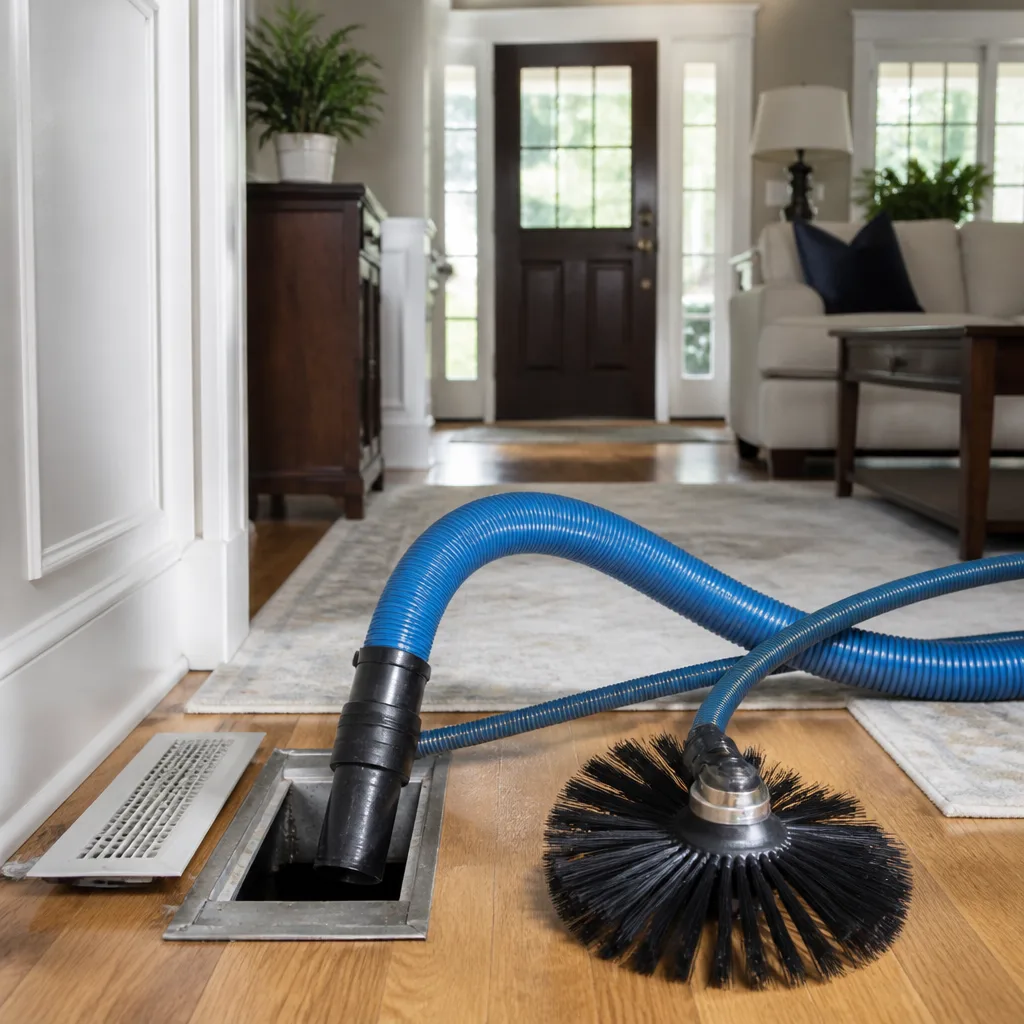 Whole-home duct cleaning
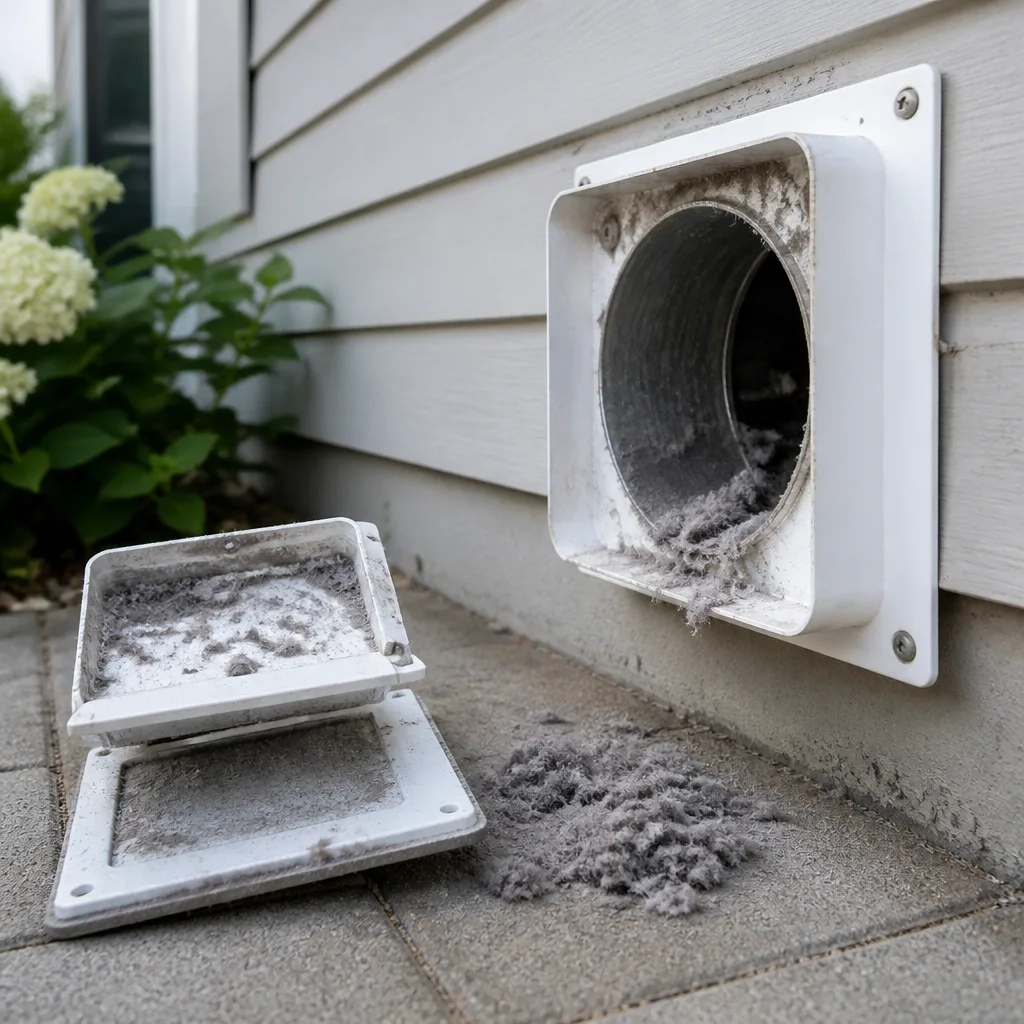 Dryer vent cleaning
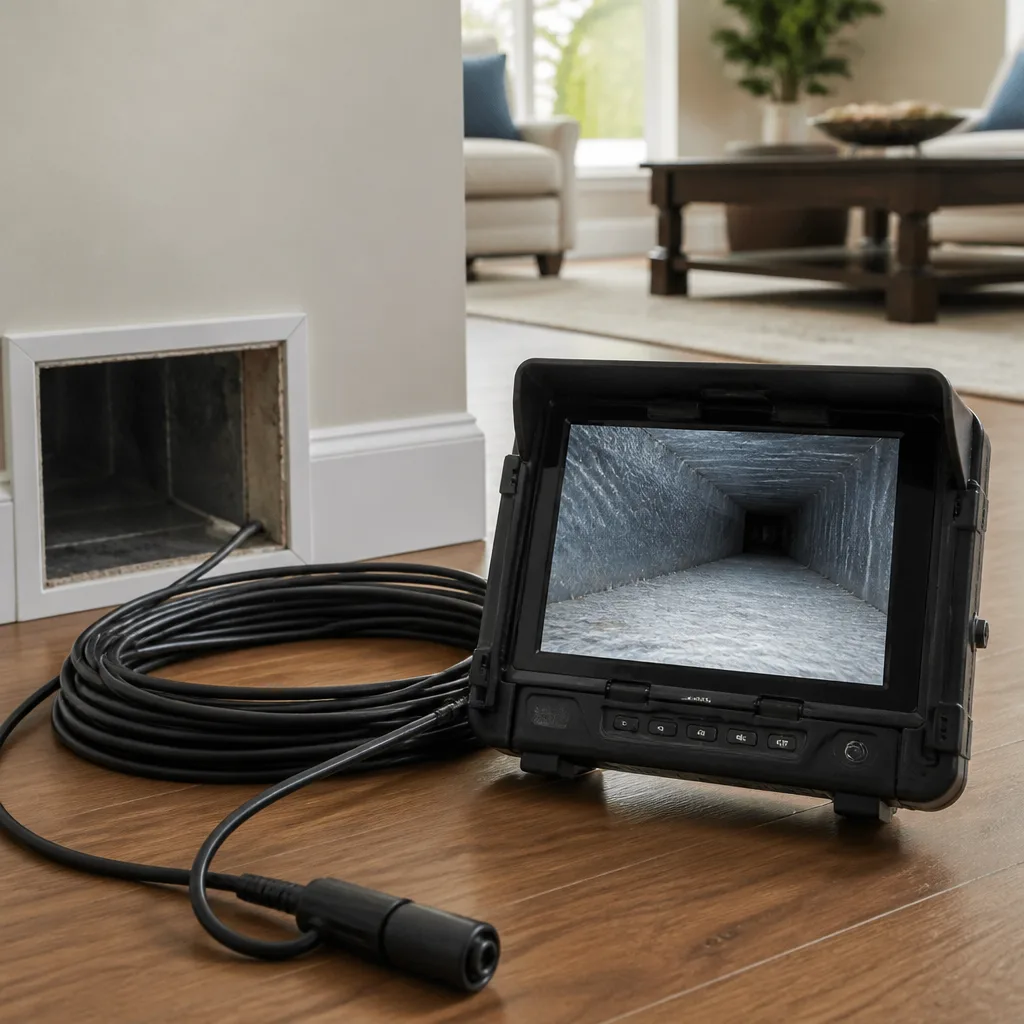 Camera inspection
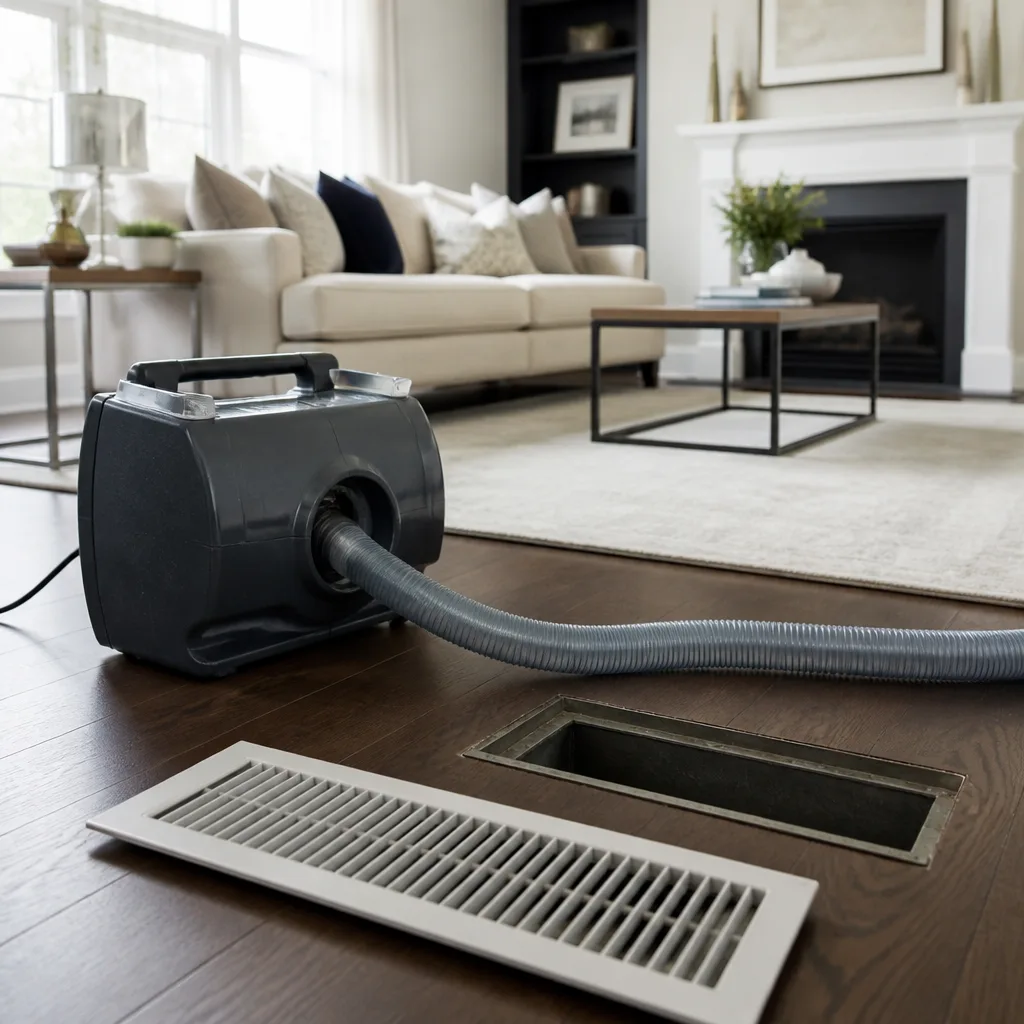 Sanitizing & deodorizing
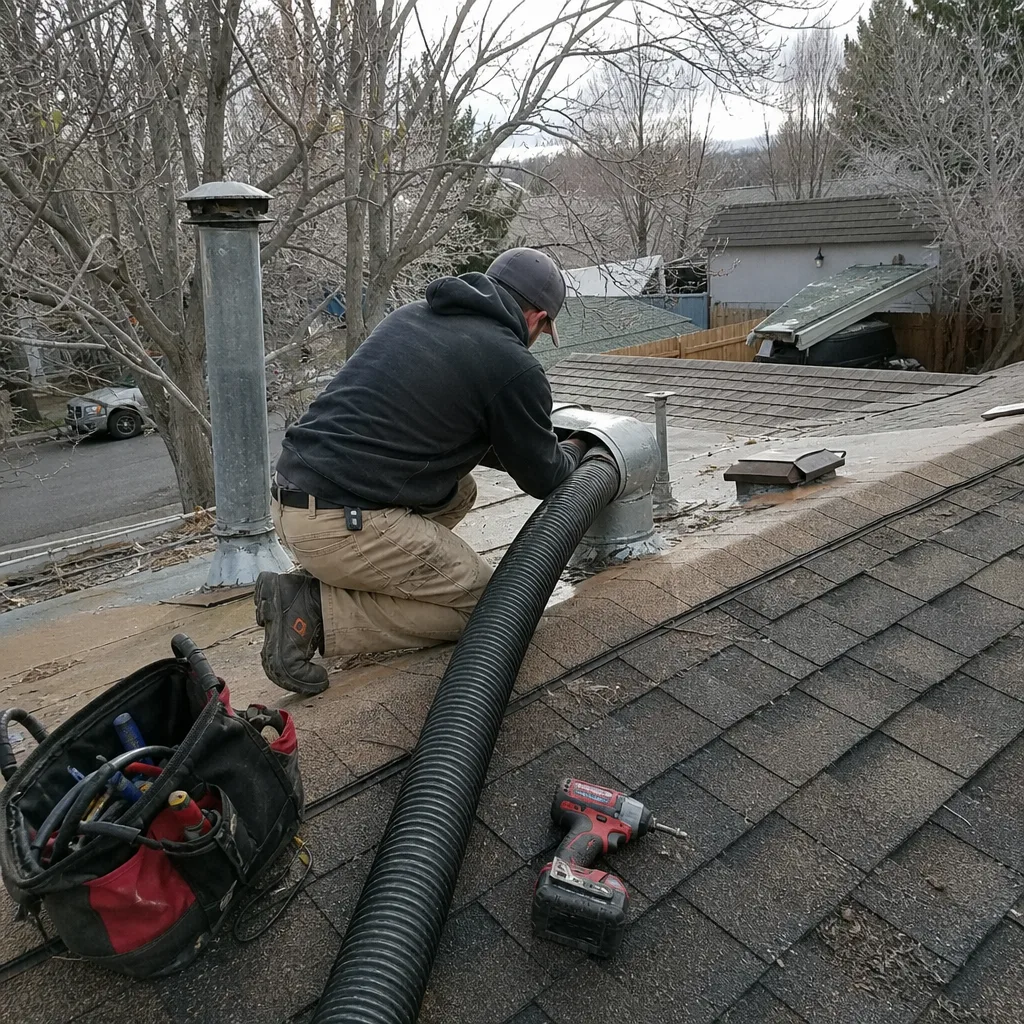
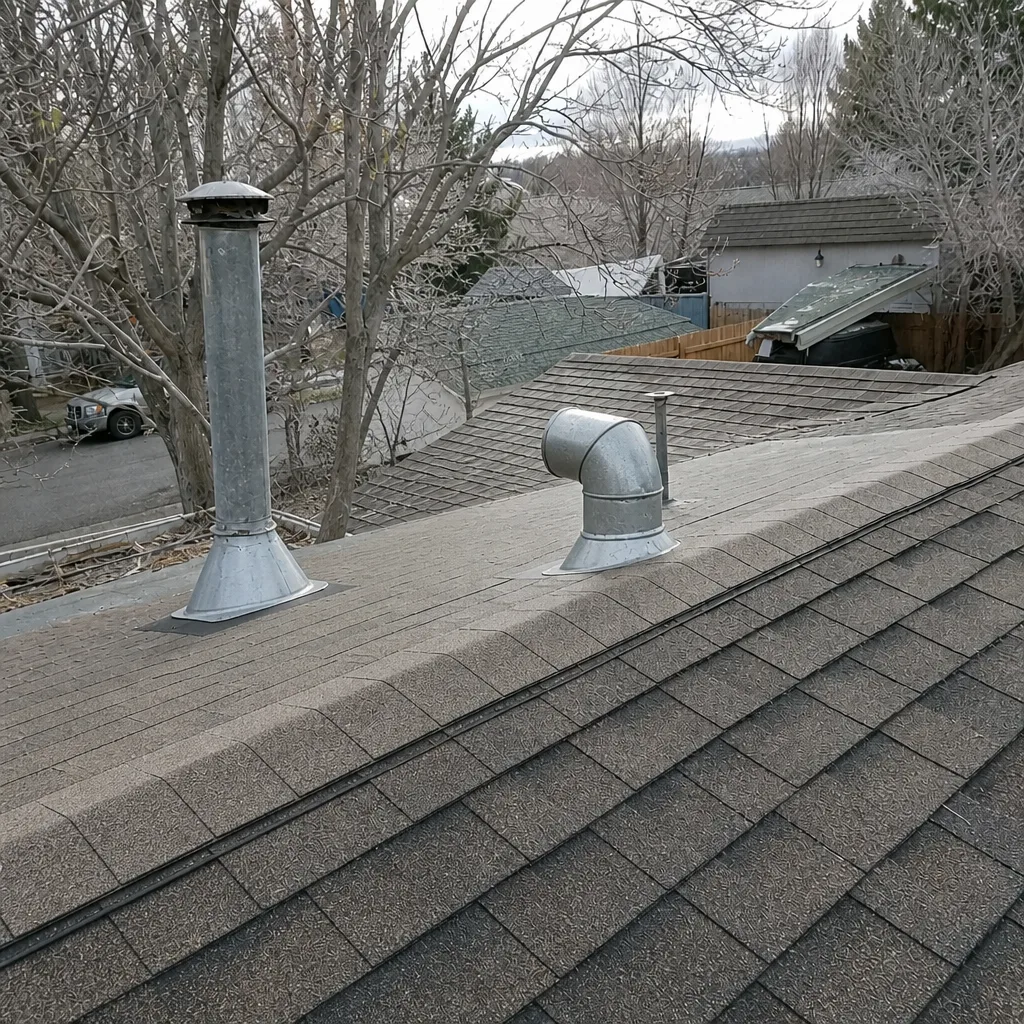
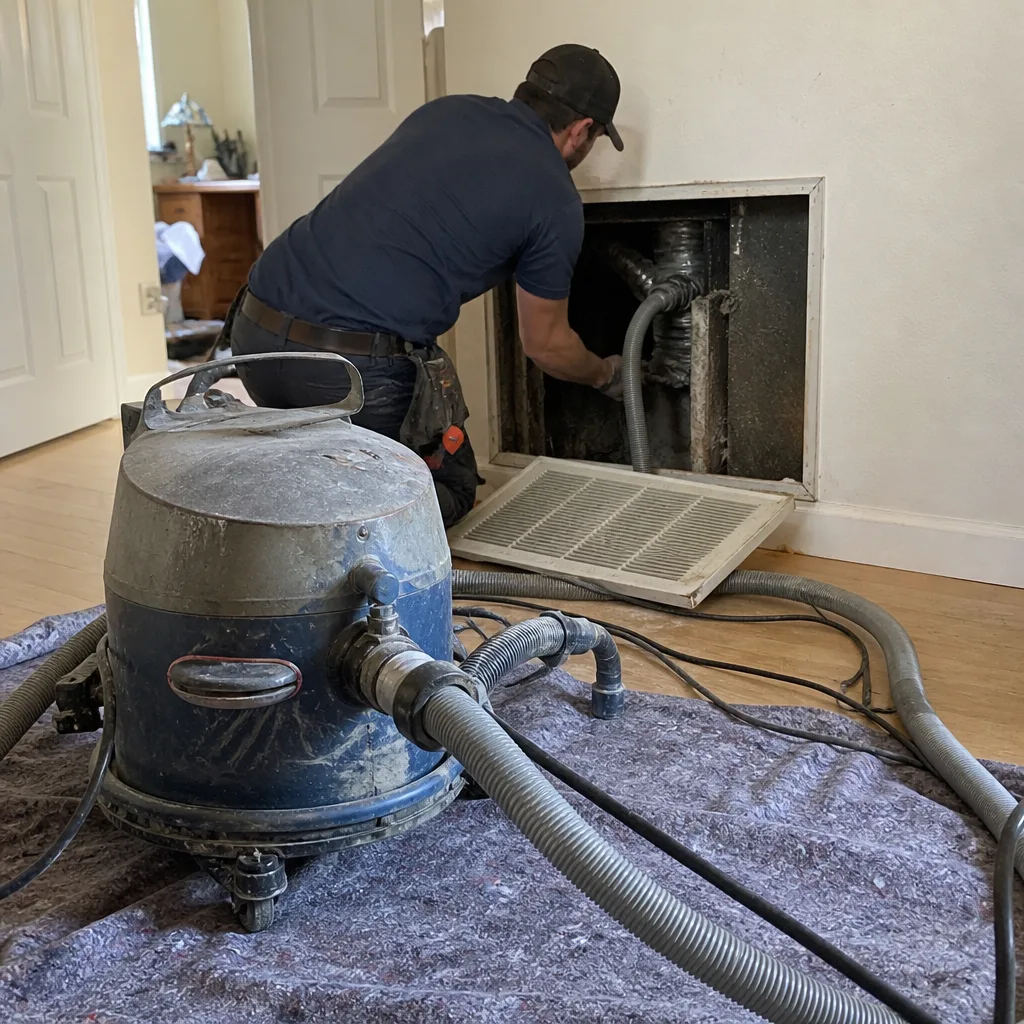
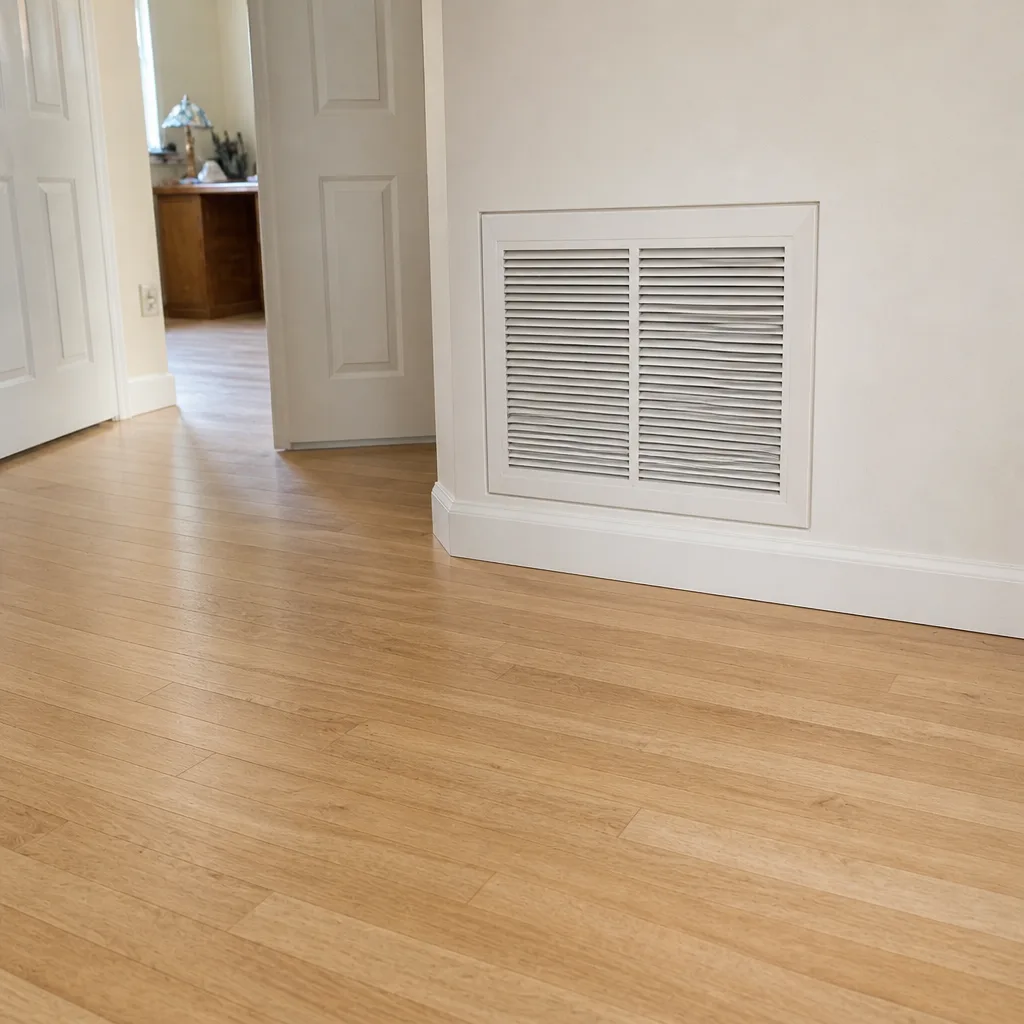
Whole-system duct and dryer vent check with before-and-after photos - you see exactly what came out of your vents
That "$99 whole-house special" is a bait ad - the real number appears once they are in your hallway, or the "clean" is a shop-vac at the register. We photograph the inside of your ducts before and after instead.
Air Duct Cleaning Emergency Preparedness Guide for Reno Homes
Most homeowners treat their ductwork as passive infrastructure and their HVAC system as a convenience, assumed to be harmless if it’s running. That assumption breaks in an emergency, and Reno’s three signature hazards don’t wait for a good time. Wildfire smoke, flash flooding, and earthquakes each push debris, moisture, or both through your duct system in ways a normal maintenance schedule never covers. Smoke embeds in duct liner material and doesn’t vacuum back out. Floodwater inside a duct creates conditions for mold colonization within days. Tremors open seams you may never notice. This guide walks you through what to do in the first hours after a fire, flood, or tremor, how to document damage before cleaning, and how to pre-position your HVAC system for fire season so smoke intrusion is minimized. It’s written for Reno homes, but the protocols apply wherever these risks converge.
Quick Answer
After a wildfire, shut off your HVAC system immediately and leave it off until smoke clears, then have the ducts professionally evaluated because embedded smoke particulates in fiberglass liner require replacement, not cleaning. After flooding or a seismic event, photograph everything and confirm no duct joints are separated or waterlogged before restarting your system. In every case, document the damage before any cleaning or remediation work begins so your insurer has a record.
Styles & brands we work with
- Whole-home duct cleaning
- Dryer vent cleaning
- Camera inspection
- Sanitizing & deodorizing
Table of Contents
- Wildfire Smoke: The First 48 Hours
- Why Reno Duct Liner Absorbs Smoke That Cleaning Can’t Remove
- Post-Flood Duct Response and the Mold Window
- The Seismic Event Checklist for Reno Homes
- What to Document Before Any Post-Event Cleaning
- Pre-Positioning Your Home Before Fire Season
- What a Professional Post-Event Cleaning Actually Involves
- Common Mistakes to Avoid
Wildfire Smoke: The First 48 Hours
Wildfire smoke is the most common emergency in Reno’s neighborhood areas near the eastern foothills, and it’s the one homeowners handle worst. The instinct is to keep the system running with the windows shut, treating the HVAC filter as a shield. That’s half right at best. Running the system during active smoke events pulls smoke particulates directly into the return side and circulates them throughout the duct run. A filter catches some of it. The rest deposits in the duct walls and, in homes with fiberglass-lined ducts, into the liner itself.
Here’s what the first 48 hours should look like after a smoke event near your home:
- Assess whether the system ran during the event. If your thermostat logs or utility usage show the system was cycling during active smoke, that’s the key fact. Systems that were off during the heaviest smoke fare much better.
- Shut the system down if you haven’t already. If smoke is still visible or the air quality map is bad, turn the thermostat to off. Don’t run the fan in “on” mode either, because that circulates air through the ducts regardless of heating or cooling demand.
- Replace the filter immediately. A filter loaded with smoke particulates can support microbial growth if humidity climbs. Swap it once the outdoor air clears.
- Photograph the filter. A filter that’s visibly blackened or discolored after a smoke event is useful documentation for an insurer. Before you toss it, take a clear photo with the date visible.
- Book a professional assessment within the first two weeks. Wait too long and any thin surface deposits can become harder to remove; more importantly, you want to know soon whether your duct liner absorbed smoke before you make cleaning or replacement decisions.
If the smoke lasted only a few hours and your system was off, cleaning is usually enough. If the system ran through multi-day smoke, a professional needs to inspect the liner, not just the visible duct surfaces. That’s a different diagnosis entirely, covered below.
Why Reno Duct Liner Absorbs Smoke That Cleaning Can’t Remove
Fiberglass duct liner is sound and thermal insulation applied to the interior of many duct systems. It’s porous, which is exactly what makes it vulnerable. Smoke is not a solid particle; it’s a mix of gases and fine particulate. When that mix moves through a porous liner over hours or days, it doesn’t just coat the surface. It absorbs into the fibers. Once smoke has absorbed into the liner, mechanical brushing and HEPA extraction don’t reverse it, because the contamination is inside the insulation matrix, not on its surface. Repair in many cases means liner replacement, not duct cleaning.
This is why the assessment step matters. A technician inspecting a post-wildfire duct system should be checking:
- Whether the ducts are fiberglass-lined or bare metal (bare metal runs clean more reliably)
- Visible staining or discoloration at accessible register boots and duct transitions
- Odor retention during the inspection; persistent smoke odor after cleaning is a red flag for liner absorption
- Condition of flexible duct runs in attic and crawlspace; flexible duct is often unrecoverable after heavy smoke
If the liner has absorbed smoke, a professional should explain that honestly rather than sell a cleaning and leave you with a smell. We cover liner-related repairs under air duct cleaning, which is also where duct repair work gets scheduled, so the diagnosis and the fix happen in the same conversation. Homes with whole-home air quality equipment (Honeywell filters, Aprilaire humidifiers) should also have those components checked during a post-fire evaluation. Smoke can foul filtration media and humidity sensors, and the ductwork is only part of the system.
Post-Flood Duct Response and the Mold Window
Flood intrusion into a duct system is rarer than wildfire smoke contamination, but it’s far more urgent when it happens. Water reaching ducts usually comes from a failed sump, a burst pipe in a slab, roof intrusion, or flash-flood incursion into a crawlspace. Once moisture reaches the interior of the duct system, the clock starts. Mold requires moisture and a food source (dust, debris, cellulose liner), and in warm interior conditions, colonization can begin within 24 to 72 hours. The intervention window is tight.
Here’s what to do immediately after any water event that may have reached your ducts:
- Stop running the HVAC system. Running a fan through a wet duct distributes mold spores throughout the home.
- Identify the water source. Before you dry anything, resolve the origin. If the system is running with water still entering, nothing else you do matters.
- Document with photos and video. Take wide shots showing the room, then close-ups of the waterline and any visible condensation, then shots of duct registers. Note the date and time.
- Call a professional for duct assessment within the first 24 hours if possible. Waiting past the 72-hour mark typically means the ducts are colonized and need more than cleanup.
- Don’t attempt to dry ducts with a household fan. Ordinary airflow doesn’t reach inside duct interiors, and a fan blowing across an affected register can spread spores.
Professional post-flood duct work typically combines HEPA extraction with negative-air containment. Abatement Technologies negative-air equipment, which is the same class of tool used in mold and asbestos abatement, prevents spores from migrating to unaffected areas of the house during work. That matters in Reno’s older Midtown and Wells Avenue homes, where ducts often connect rooms that otherwise share little airflow. A proper evaluation also includes checking whether duct insulation and flexible runs are saturated; saturated insulation is removed rather than dried, since it won’t dry fully inside a closed duct system.
If you’re unsure whether water actually reached your ducts, err on the side of assessment. Water in a crawlspace can wick up through flexible duct connections without visible water pooling in the rooms above.
The Seismic Event Checklist for Reno Homes
Reno sits in an active seismic zone, and a noticeable tremor can separate duct joints without causing any other visible damage in the home. That’s the concern: a separated joint leaks air and pulls unfiltered air from a crawlspace or attic into the living space. It’s easy to miss and it quietly undermines every system assumption you have. Before you restart the HVAC after a significant tremor, walk the accessible portions of your duct system.
Here’s the checklist:
- Turn off the HVAC system before inspection. Don’t restart it until you’ve checked the accessible joints.
- Inspect the air handler and plenum connections. These are the heaviest joints and the most likely to separate. Look for gaps at the tape, mastic, or mechanical fasteners.
- Walk the attic and crawlspace. Look at every visible flexible duct run for disconnected collars, sagging, or abrasion against framing. Where the run is accessible, gently tug the connection; a properly seated connection doesn’t move.
- Check register boots. Pull each supply register cover and confirm the boot is fully seated to the wall or floor. A knocked-loose boot is common after a tremor.
- Look for debris. Any fallen insulation or drywall dust drawn into the return side should be photographed and removed before restarting.
- Restart the system and listen. Whistling or airflow you didn’t have before typically means a leak at a separated joint.
If joints are separated, tape-and-go repairs usually fail again. This is exactly the situation where air duct repair belongs in the same visit as the assessment. A technician reseals joints properly, not with a quick patch. For Reno homes with ducts in older construction, an earthquake is also a reasonable trigger to have the full duct system inspected; small separations that predate a tremor often become visible problems after one. We handle the repair side under Duct Cleaning Reno, where damage found during cleaning gets fixed rather than flagged and left for a different contractor.
What to Document Before Any Post-Event Cleaning
Insurance claims for post-event duct contamination go wrong for one predictable reason: the homeowner cleans first and documents second. Once a duct system is cleaned, the visible evidence of smoke, water, or mold is gone. If an adjuster or insurer disputes the necessity of the work, you have nothing to support the claim. Document first. Clean second. The order matters.
Here’s what to have in hand before any cleaning or remediation work starts:
- Wide photos of the affected rooms. Show the full space, not just the ducts, so the adjuster can place the damage in context.
- Close-up photos of registers, return grilles, and accessible ducts. Include a reference object (a ruler, a coin) in the frame where it helps.
- Photos of the filter before replacement. This is the single most useful item for a smoke claim.
- Thermostat history or utility records showing whether the system was running during the event.
- A copy of the maintenance or service history for the system, if you have it.
- A written scope from the assessing technician that distinguishes cleaning from repair or replacement.
- Timestamps on every photo and video, ideally with the date and time visible in the frame or stored in the file metadata.
Once those items are collected, ask the insurer directly whether the claim requires a pre-cleaning inspection. Most homeowner policies cover the post-event cleaning and any required repair of the duct system under the same property damage clause that covers the rest of the home, but the burden of proof is on you to show the damage existed. Photographing before cleanup costs nothing. Missing that step has cost homeowners the entire duct replacement.
Pre-Positioning Your Home Before Fire Season
The single most effective duct-system step for wildfire season is a decision, not a purchase: know in advance when to shut the HVAC off. That decision requires no professional help, and it’s the difference between a system that survives a smoke event clean and one that needs liner replacement. Beyond that, a few prep steps cut down smoke infiltration through the ducts.
- Seal the largest infiltration paths. Attic hatches, weatherstripping at exterior doors, and window seals matter more than most people expect. A professional energy assessment or a simple walk-and-caulk session covers most of it.
- Upgrade the filter before fire season, not during it. A higher MERV-rated filter in a compatible housing captures more smoke before it reaches the ducts. Confirm the rating is compatible with your air handler blower; some systems don’t tolerate high-MERV filters without modification.
- Check any whole-home air quality equipment. Homes with Honeywell filtration or Aprilaire humidification should have those systems verified before fire season, so the filtration stages are working as intended when you need them. Our technicians have up to 15 years of experience working with these systems and understand how the ducts connect to the air quality controls, not just the ductwork itself.
- Have the ducts cleaned before fire season if they haven’t been serviced in a while. Clean ducts accumulate less material during a smoke event and clean out more completely afterward.
- Sign up for local air quality alerts if you aren’t already, so you know when to shut the system off. Reno’s summer smoke events often come with only a few hours of warning.
A home prepped these ways doesn’t eliminate smoke intrusion, but it changes what reaches your ductwork. That’s a material difference when the next bad fire season arrives.
What a Professional Post-Event Cleaning Actually Involves
You should understand what process you’re paying for, because post-event cleaning is a category where the wrong provider quietly does the wrong job. A proper cleaning uses mechanical agitation to dislodge material, HEPA-rated extraction to capture it, and containment to prevent it from migrating. A shop vac and a promise won’t do any of those three things.
Here’s the sequence we use:
- Rotobrush mechanical agitation. Brushes agitate material inside the duct walls, which is genuinely different from air-whip cleaning. Air whips loosen light surface dust but don’t dislodge adhered material or generate the contact agitation that post-event contamination requires.
- Nikro HEPA-rated extraction. Captures particles down to 0.3 microns, not just visible dust. In a post-smoke or post-mold scenario, the fine particulate matters more than the visible stuff.
- Abatement Technologies negative-air containment. Prevents contaminants from migrating to other parts of the home during cleaning. This is the same category of equipment used in commercial remediation.
- Guardsman-grade protective treatment, when appropriate, to add a defensive layer after cleaning, especially in systems that tend to re-collect material quickly.
- Air duct repair in the same visit if debris, smoke, or water damage revealed separations or failed joints.
For properties where dryer vent condition came into question during the event, dryer vent cleaning is handled as a fire-safety service rather than a cleaning add-on. See Reno for local service coverage details.
Common Mistakes to Avoid
- Running the HVAC during active smoke to “filter the air.” The filter catches some particulate, but the rest deposits in the duct walls and liner. Shut the system off and let the filter do its limited job on the return.
- Cleaning before documenting. Once the ducts are clean, the evidence of smoke, water, or mold damage is gone, and an insurer can deny the claim. Photograph first.
- Assuming professional cleaning will fix smoke-absorbed liner. Fiberglass duct liner that has absorbed smoke needs replacement, not cleaning. If a provider sells you a cleaning without inspecting the liner, ask why.
- Restarting the HVAC after a tremor without checking joints. An attic and crawlspace walk takes fifteen minutes. Running a system with a separated joint pulls unfiltered air from those spaces into the home.
- Waiting past 72 hours on a flood-affected duct system. Mold colonization begins within 24 to 72 hours of moisture contact. Waiting longer usually converts a cleaning into a full duct replacement.
- Reusing a filter after a smoke event. A filter loaded with smoke particulate can support microbial growth when humidity climbs. Replace it, don’t shake it out.
- Hiring the low-bid provider who shows up with a shop vac. Post-event cleaning is a specific job that requires mechanical agitation and HEPA extraction. Ask exactly which equipment is being used before you book. If the answer is vague, that’s the answer.
See the difference
 Before
 After
 Before
 After
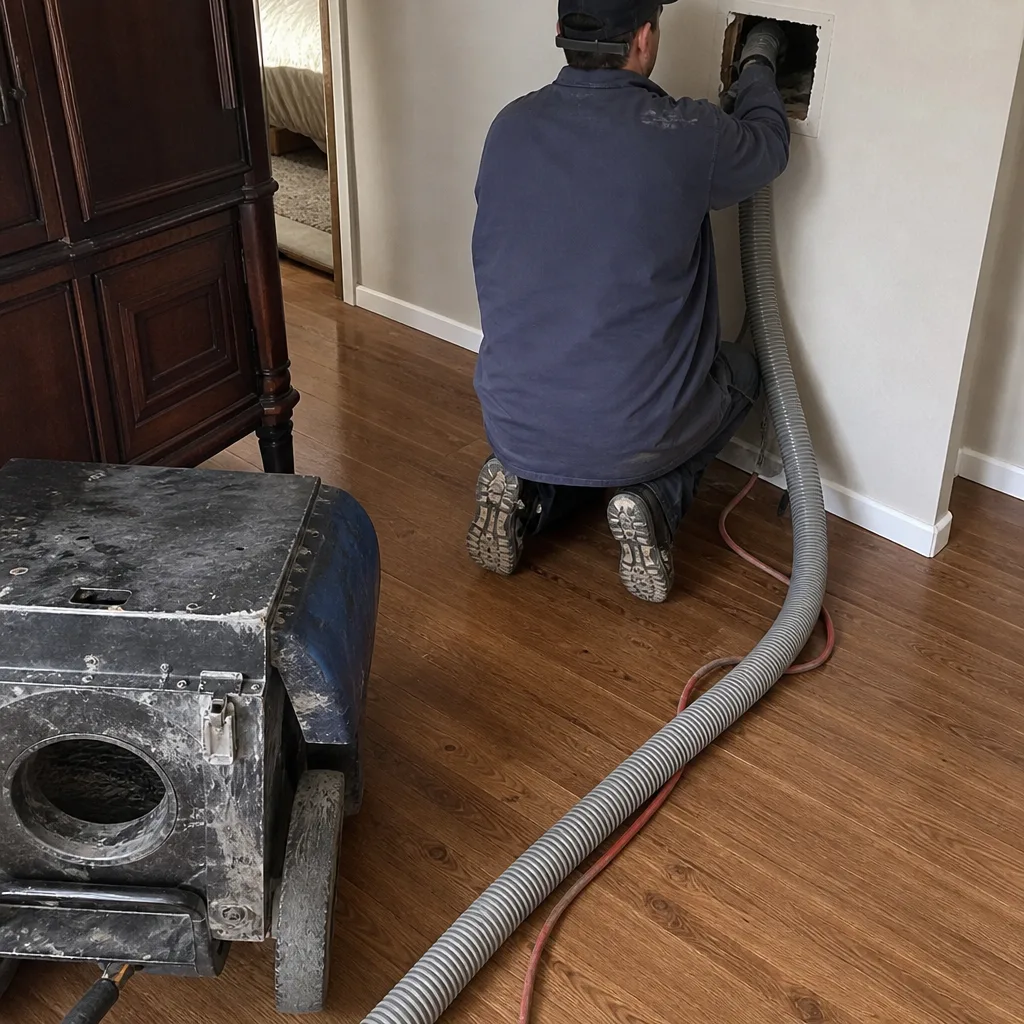 Before
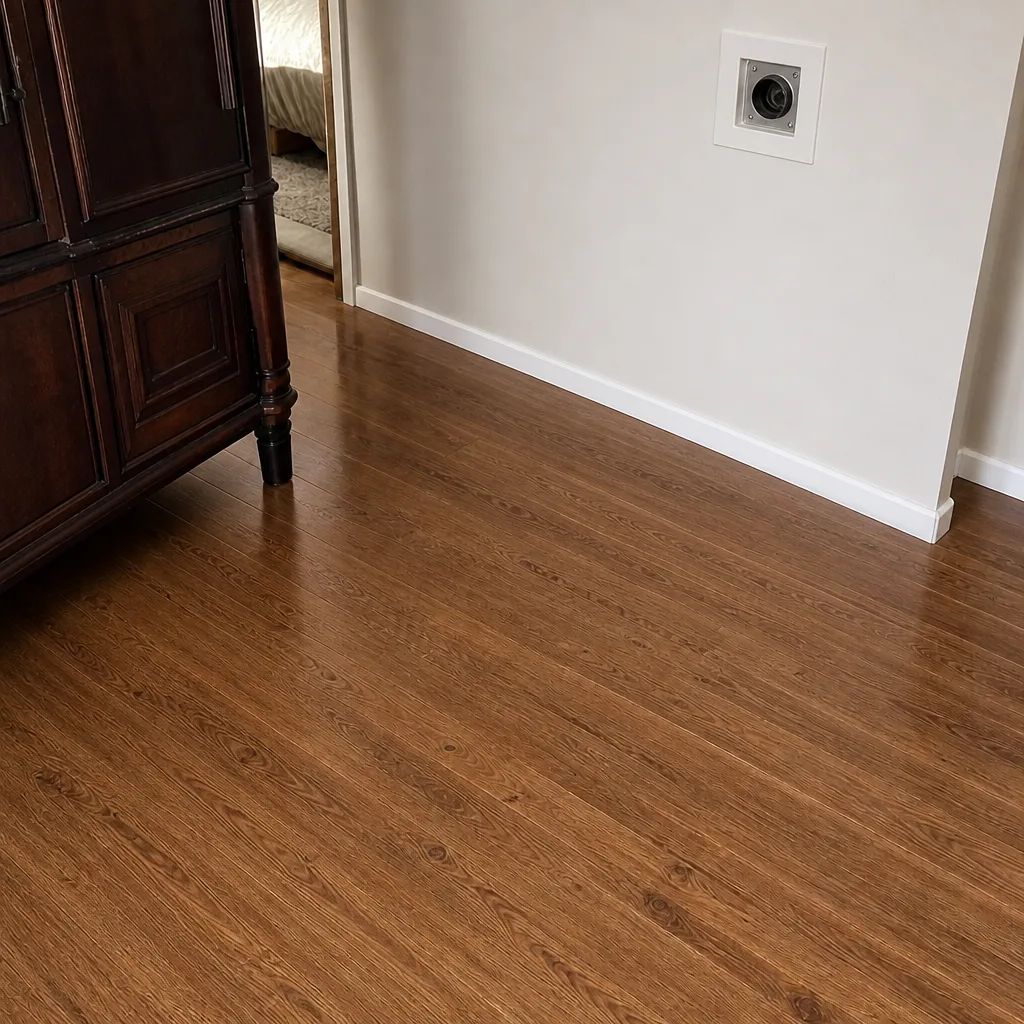 After
When to Call a Professional
Call a professional after any of the following: your HVAC system ran for more than a few hours during a smoke event and you notice a persistent odor or visible dust re-settling on surfaces soon after; water reached your crawlspace, attic, or anywhere the ducts run; a tremor was strong enough to be felt indoors and you haven’t inspected the accessible joints; or you see or smell mustiness from any register. Leave a properly sealed or lined duct system in a home with whole-home air quality equipment to a trained technician, and don’t attempt liner or joint repairs yourself. Duct Cleaning Reno offers free estimates in Reno, call (866) 361-7643. We answer 24/7. Fast dispatch from 7am to 7pm, Sunday through Friday. Ask about our HEPA extraction and negative-air containment as part of the estimate; those details are what separate a real post-event cleaning from a vacuum pass.
Frequently Asked Questions
Yes. Turn the thermostat to off, and don’t run the fan in “on” mode, because that circulates air through the ducts even when heating or cooling isn’t running. Running the system during active smoke is the single biggest cause of smoke contamination in duct liner. If you’re unsure whether your system ran, check thermostat history or utility usage before booking an assessment. Call (866) 361-7643 for an exact quote, and estimates are free.
Mold colonization in duct interiors can begin within 24 to 72 hours of moisture contact, which is why the intervention window is tight. Professional assessment should happen within the first 24 hours if possible. After 72 hours, cleaning often becomes replacement. If you suspect water reached your ducts, shut off the HVAC and don’t run fans through the system. Call (866) 361-7643 for an exact quote; estimates are free.
The determining factor is usually whether the ducts are fiberglass-lined and whether they absorbed smoke versus just accumulated surface deposits. Bare metal runs often clean fine; absorbed liner typically requires replacement. A professional inspection looks at staining, odor retention after cleaning, and the condition of flexible runs. If a provider quotes cleaning without inspecting the liner, ask why. Call (866) 361-7643 for an exact quote, and estimates are free.
Photograph the affected rooms wide, then registers and accessible ducts close-up, then the HVAC filter before you replace it. Include thermostat history showing whether the system was running and a written scope from the assessing technician that separates cleaning from repair. Timestamp every file. Once the ducts are cleaned, the evidence is gone, so document first. Call (866) 361-7643 for an exact quote, and estimates are free.
Only after you’ve checked the accessible duct joints for separation. Walk the air handler, plenum, attic runs, and register boots before restarting. If any joint is separated, don’t restart the system; a separated joint pulls unfiltered air from the attic or crawlspace into the home. If you can’t inspect a portion of the system, that’s the portion a professional needs to check. Call (866) 361-7643 for an exact quote, and estimates are free.
Post-event cleaning is priced per system, based on a written estimate agreed before work starts, which is why we can’t quote per-vent. Emergency cleaning costs more than routine cleaning in the trade only because it involves diagnosis, and sometimes liner inspection or joint repair. Ask every provider for a written scope, which equipment they’ll use, and whether repair is included. Call (866) 361-7643 for an exact quote; estimates are free.
The Bottom Line
Reno’s three signature emergencies each create a specific duct contamination risk, and each has a narrow window for the right response. Wildfire smoke absorbed into fiberglass liner needs replacement, not cleaning, and the fastest way to determine which is to shut the system off and get it inspected. Flood moisture needs attention within 24 to 72 hours before mold colonizes. Seismic events need a joint check before restart. Document everything before cleanup, pre-position your home before fire season, and hire a provider who can name their equipment and repair what they find. That combination is what keeps a post-event problem from becoming a long-term indoor air quality issue.
Duct Cleaning Reno handles post-event duct cleaning and repair across the Reno area, with the same Rotobrush, Nikro, and Abatement Technologies process used in commercial remediation. Call (866) 361-7643 for a free estimate. We answer 24/7. Fast dispatch from 7am to 7pm, Sunday through Friday.
Written by the team at Duct Cleaning Reno.