
Last updated November 15, 2026
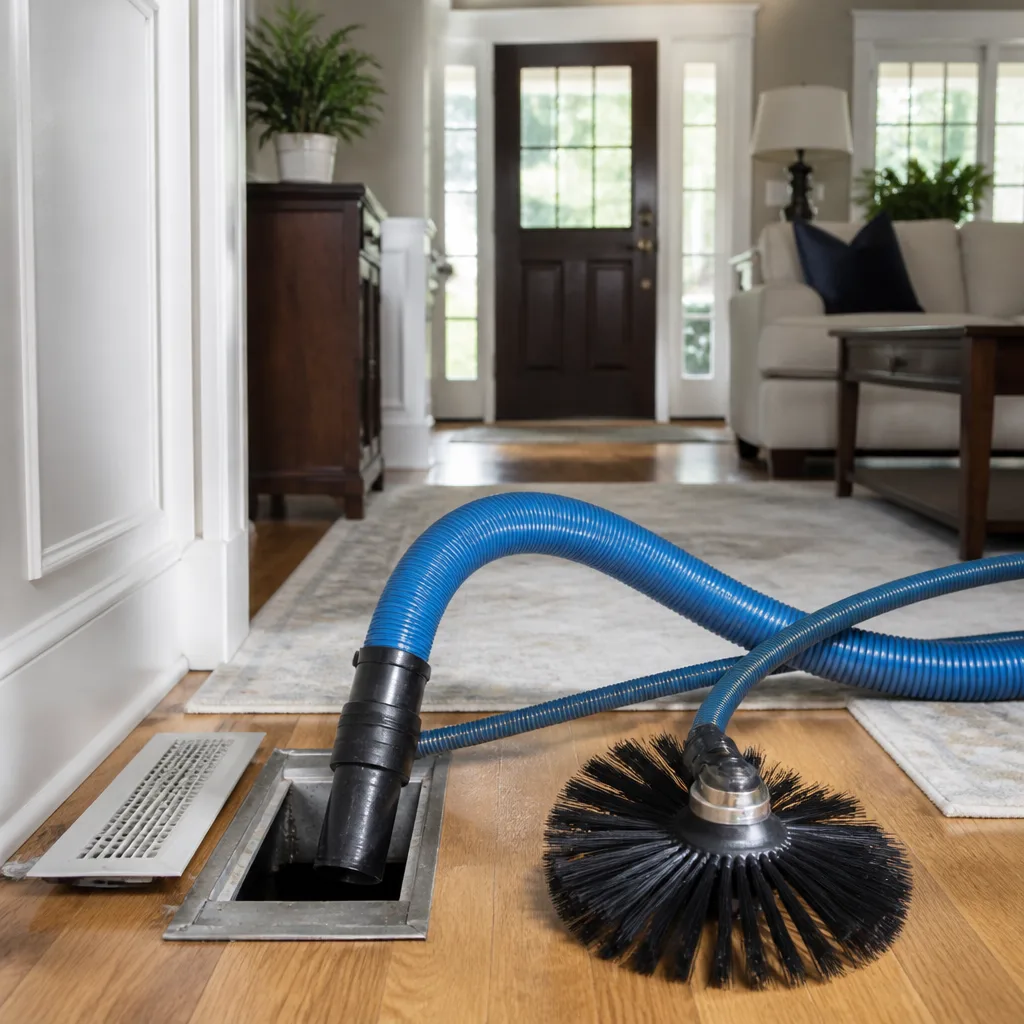 Whole-home duct cleaning
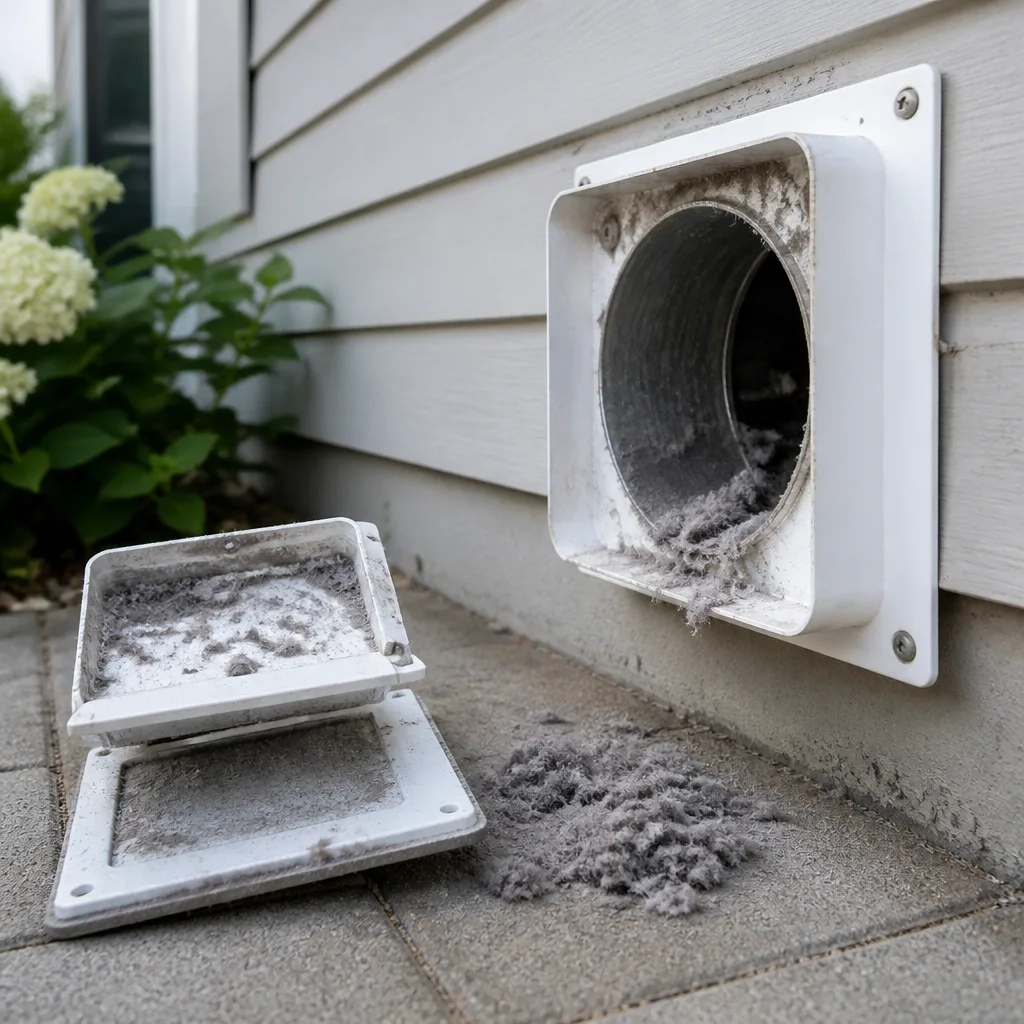 Dryer vent cleaning
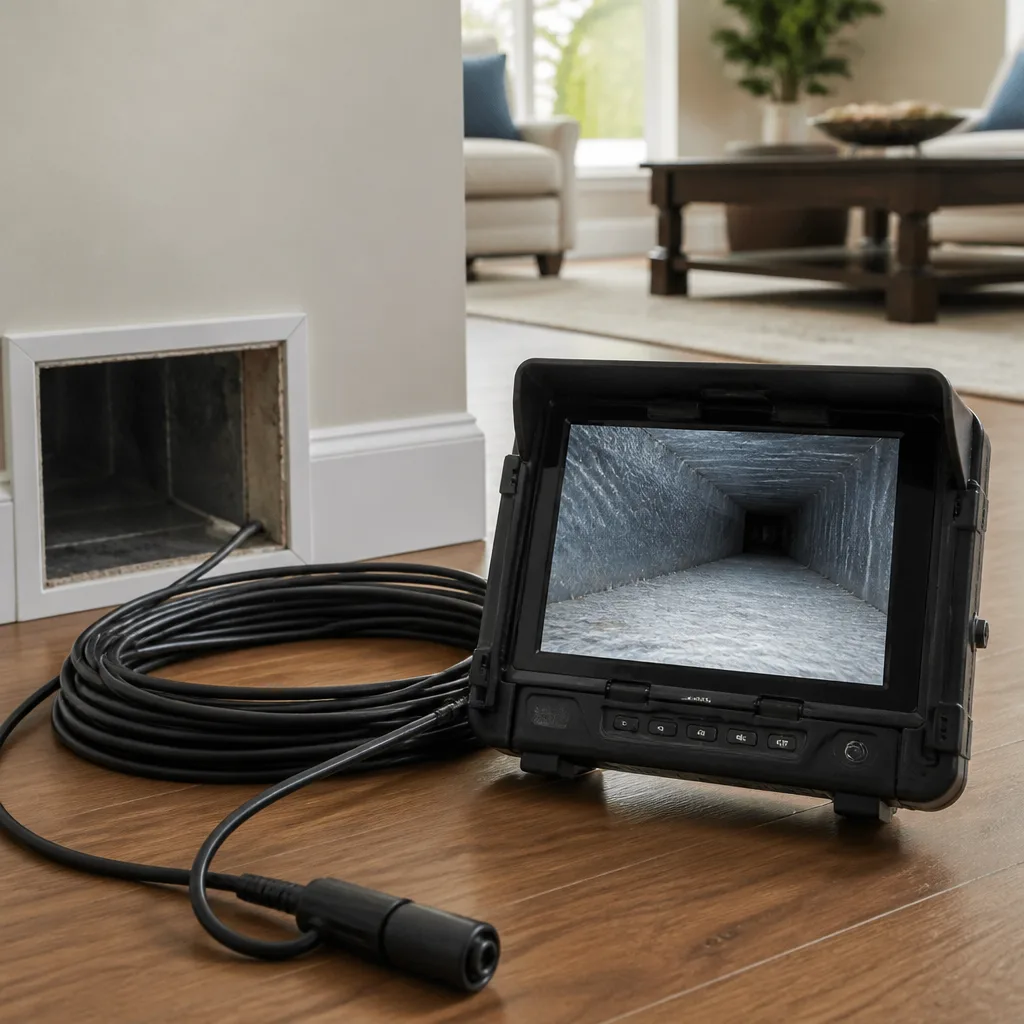 Camera inspection
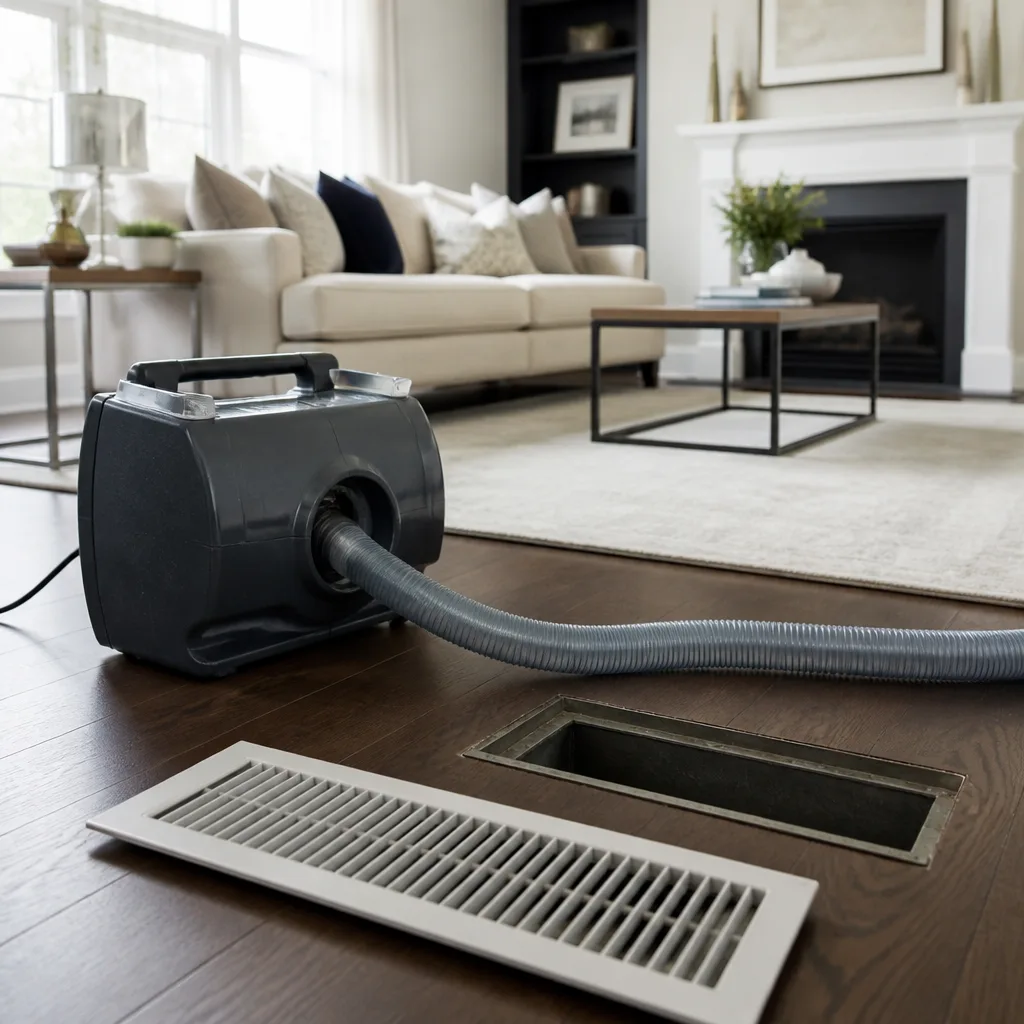 Sanitizing & deodorizing
Whole-system duct and dryer vent check with before-and-after photos - you see exactly what came out of your vents
That "$99 whole-house special" is a bait ad - the real number appears once they are in your hallway, or the "clean" is a shop-vac at the register. We photograph the inside of your ducts before and after instead.
Air Duct Cleaning Maintenance Schedule: What to Do and When
“Every three to five years” is the most repeated number in this trade, and it was never meant for a single house. It’s an average drawn from average homes in average climates. Reno doesn’t run average. Between wildfire smoke drifting over the Sierra, desert dust that finds every gap, and a housing stock that runs from slab-on-grade mid-century ranches to new builds on sealed crawlspaces, the right interval for your ductwork can land well inside or well outside that window. The number you actually need depends on five variables in your own house. This guide walks through each one, shows you how to measure your contamination rate yourself, and lays out the seasonal timing that makes sense here in Reno.
Quick Answer
For most Reno homes, plan on a professional air duct cleaning every two to four years, with an annual filter and register routine in between. Homes with multiple pets, flex duct, a swamp cooler, or a recent heavy smoke season should lean toward the shorter end. Homes with a sealed crawlspace, MERV-13 filtration, and no pets can often stretch further. Your own 30-day filter observation, described further down, is the most reliable way to set your number.
Styles & brands we work with
- Whole-home duct cleaning
- Dryer vent cleaning
- Camera inspection
- Sanitizing & deodorizing
Table of Contents
- Why the Standard Interval Is Wrong for Reno
- The Five Variables That Set Your Interval
- Reno Seasonal Timing: Why April Beats November
- Annual Tasks That Stretch Your Cleaning Interval
- How to Measure Your Contamination Rate in 30 Days
- What Should Happen Alongside Every Cleaning
- Reading Symptoms to Adjust Your Schedule
- Common Mistakes to Avoid
Why the Standard Interval Is Wrong for Reno
That “every three to five years” figure assumes a house in a temperate place with typical particle loads and one filtration routine. It’s a reasonable default. It is not a measurement. And in Reno the assumptions break down in directions that matter.
Start with the air itself. High desert country produces fine dust that stays airborne longer than the heavier soils you’d find in wetter climates, and it works its way through return grilles and around filter frames. Add wildfire smoke seasons. Smoke doesn’t just load your filter; it carries fine particulate that settles on duct surfaces, and a few heavy weeks can lay down more material than a full normal year of ordinary household dust. Then there’s the housing stock. Older slab-on-grade construction in neighborhoods across Reno frequently runs ductwork through unconditioned space or under the slab in ways that pull in soil particles and let joints separate over time. Newer builds with sealed crawlspaces and tight envelopes behave differently again, sometimes cleaner, sometimes concentrating what does get in.
The result is a wide spread. If you have to pick a single starting number, two to four years is a safer working assumption for a typical Reno home than three to five. But the honest answer is that you build the schedule around your house, and the next section shows you the five inputs.
The Five Variables That Set Your Interval
These are the factors that move your cleaning interval the most. Score your own home against each one; the more of them you answer in the direction of higher load, the more frequently you should clean.
1. Filter MERV rating and change frequency
A MERV-8 filter changed on schedule protects ductwork better than a MERV-13 filter left in place until it’s grey and sagging. The rating matters less than the discipline. A clogged high-MERV filter forces the blower to work harder and doesn’t stop particles from settling in the ducts downstream. A modest filter changed on a reliable rhythm does more for your duct interior than an expensive one you forget about.
2. Pets
Pets are the single biggest multiplier in most homes. Fur and dander shed continuously, and the particles are light enough to travel through return air and settle throughout the system. A household with two or more shedding pets should assume a shorter interval than the same household without them.
3. Duct material: flex versus sheet metal
Flexible duct has ridges and inner corrugations that catch debris, and its surfaces are harder to agitate clean. Sheet metal runs smoother but develops joint gaps over time that leak and pull in dust. Flex generally means more frequent cleaning; sheet metal means paying closer attention to sealing.
4. Foundation type: crawlspace versus slab
Ductwork running through a vented crawlspace is exposed to soil particles, moisture, and pest activity in a way that slab or conditioned-space ductwork isn’t. Homes with ducts in a vented crawlspace tend to load faster and should be inspected more often, not just cleaned more often.
5. Recent wildfire smoke events
A heavy smoke season deposits fine particulate throughout the system. In our experience, a home that was already due for cleaning soon benefits from moving the date forward after a significant smoke summer rather than waiting out the calendar.
Reno Seasonal Timing: Why April Beats November
Timing matters as much as frequency. In Reno, the argument for cleaning before cooling season is stronger than the argument for cleaning after winter, and the reason is accumulation, not comfort.
Through winter, your heating system runs continuously, moving air and pulling dust through the return side. By spring, the ducts have been fed all season. High desert winds through March and April add a fresh layer of fine dust before the weather settles. What you don’t want is to carry all of that into the cooling season, when the same ducts will run again for months. Cleaning in April, before you switch to cooling, means the cooling season starts with clean ductwork rather than a winter’s worth of deposit.
Cleaning in November means you spend the cooling season with last winter’s deposit in the system and clean just as the heating season starts. That’s backwards for a place where dust keeps building between seasons. There’s a second reason to prefer spring: it puts you ahead of the peak demand period, when everyone who noticed their ducts halfway through the cooling season calls at the same time.
If a heavy smoke event happens mid-summer, that’s its own trigger. You don’t wait for April; you clean when the smoke load justifies it, which is exactly why the DIY measurement described further down is worth doing. We schedule air duct cleaning around these windows for Reno homeowners, and the spring slot is easier to hold than a mid-summer one.
Annual Tasks That Stretch Your Cleaning Interval
You can measurably extend the time between professional cleanings with a small set of annual habits. None of them require tools beyond a screwdriver and a filter.
- Change filters on a fixed rhythm. Monthly during heavy heating or cooling, every two to three months otherwise. Write the date on the filter frame so you actually track it. A basic pleated MERV-8 changed monthly protects ducts better than a MERV-11 changed twice a year.
- Vacuum the return grilles. The grille face is the first thing that clogs. A brush attachment on the grille every month keeps return air moving and slows how much reaches the ducts.
- Wipe registers seasonally. Remove supply and return registers at the start of each season and wipe the visible duct throat behind them. This clears what settles at the transition before it works deeper into the run.
- Check the dryer vent line. Disconnect the dryer hose and clear the short run between the dryer and the wall. Lint is a fire problem, not just a maintenance item. Give the whole line a professional clearing as part of your routine, since the section inside the wall is where lint hides. Our dryer vent cleaning handles that full line clearance.
- Keep the blower door clear. Don’t block the return with furniture or a closed door for long stretches. Restricted return air means the blower pulls harder from gaps and leaks, which brings more dust in.
- Seal obvious gaps yourself. Where a duct visibly separates at a joint behind an accessible register, a foil HVAC tape seal prevents the leak from becoming a dust source.
That routine is realistic for a homeowner to keep up. What it can’t do is reach into the duct interior or fix a separated joint mid-run, which is exactly the work a professional cleaning and repair visit covers.
How to Measure Your Contamination Rate in 30 Days
This is the part most guides skip. Rather than guess at a number, you can calibrate a cleaning interval to your specific home by watching how fast a fresh filter loads. The filter is your sensor.
Install a new filter of the rating you actually intend to run. Note the date and mark the front with the install date. Then inspect it at the end of each week for a month, holding it up to a light and checking the loading pattern across the surface. What you’re watching for is the rate of change, not the final color.
- Light loading after 30 days: your dust load is low. A longer interval, three to four years, is reasonable, still governed by the seasonal timing above.
- Moderate, even loading across the face: average for Reno. Two to three years with the annual tasks kept up.
- Heavy loading, especially uneven loading or dark patches: high load. Consider annual or two-year cleaning and check for leaks, because uneven loading often points at a duct or return problem, not just dust.
- Visible dust past the filter frame: the filter is bypassing or the frame is leaking. Fix that before setting any schedule, since unfiltered air means fast loading regardless of the rating.
Repeat this once, and you’ll know your home’s rate rather than borrowing an average from a climate that isn’t yours. If the loading comes back heavy each time, that’s also your signal to call for an inspection, because a duct system that’s leaking is feeding itself.
What Should Happen Alongside Every Cleaning
Cleaning the ducts without addressing the conditions that load them resets the clock to zero and starts it running fast again. Three tasks belong on every professional cleaning visit, and skipping them is why some homes seem to need cleaning constantly.
Coil inspection
The evaporator coil sits downstream of the return and catches whatever the ducts carry. A dirty coil reduces airflow and shortens the life of cooling equipment. Inspect it, and clean it if it’s loaded, during the same visit. If you run a whole-home air quality system such as a Honeywell or Aprilaire unit, its filtration and humidity components are part of this check too, since ductwork and whole-home air quality work in one loop.
Duct sealing check
Leaks let conditioned air out and dust in. A cleaning that leaves a separated joint in place lets the same problem rebuild from the source. Sealing what the cleaning exposes is what makes the interval hold. We repair what we find in the same visit rather than flagging it and leaving you to schedule a second contractor.
Blower compartment cleaning
The blower wheel and compartment sit at the center of the system, and a dirty blower pushes less air while moving dust it shouldn’t. Cleaning the compartment is part of the same job.
On the cleaning itself, the process we use is built around capture, not just agitation. Rotobrush mechanical brushing dislodges debris from duct surfaces; Nikro HEPA-rated vacuums capture particles down to 0.3 microns; and Abatement Technologies negative-air containment, the same class of equipment used in mold and asbestos abatement, keeps contaminants from migrating through the house during the work. The process is documented because it’s the only way to know the job was done right.
Reading Symptoms to Adjust Your Schedule
A good schedule isn’t a fixed calendar; it’s a baseline you adjust when the house tells you something has changed. Keep these signals in view between scheduled cleanings.
- Dust returning to surfaces within days of cleaning: the return side is overloaded or leaking. Move the schedule forward and get the joints checked.
- Noticeable airflow drop at registers: a filter issue, a coil issue, or a partial blockage. Investigate before it becomes a bigger problem.
- New musty smell when the system runs: moisture has reached duct surfaces. This is the one symptom you don’t defer; it’s the exception to any interval.
- Visible debris blowing from a register: contamination is actively moving, and cleaning is overdue regardless of the calendar.
- A new pet, a new baby, or a family member with heightened sensitivity: shift toward the shorter end of the range. Process-based improvements to air quality aren’t a medical promise, but fewer particles in circulation is the point of the work.
- A heavy smoke season just ended: treat it as a trigger, and reset the clock from the cleaning that follows.
Given the range of conditions across Reno, from older ranch homes with vented crawlspaces to newer tight builds, these signals will point you to a different interval than a neighbor’s even when the homes look similar from the street.
Common Mistakes to Avoid
- Buying the highest MERV filter you can find and then leaving it in for a year. A loaded high-MERV filter doesn’t filter better; it starves the system and lets the bypass load your ducts.
- Believing the “three to five years” figure as a fixed answer. It’s an average written for average homes, and Reno’s dust and smoke seasons routinely push that number in both directions.
- Scheduling cleaning after heating season instead of before cooling season. Spring cleaning starts the cooling months with a clean system; November cleaning starts them already loaded.
- Cleaning around a leaking joint instead of repairing it. A duct system that draws in dust feeds itself, and the cleaning interval will keep collapsing until the leak is fixed.
- Ignoring the dryer vent as an unrelated item. Lint buildup is the leading cause of dryer fires, so a full vent-line clearance belongs on the routine, not the “someday” list.
- Treating filter changes as optional once a professional cleaning is scheduled. The filter is what protects the clean result; skip it and the ducts load faster than before.
- Skipping the coil and blower check during a cleaning. The cleaning resets the clock, but a dirty coil and blower spin it forward, which is why the same house seems to need cleaning constantly.
See the difference
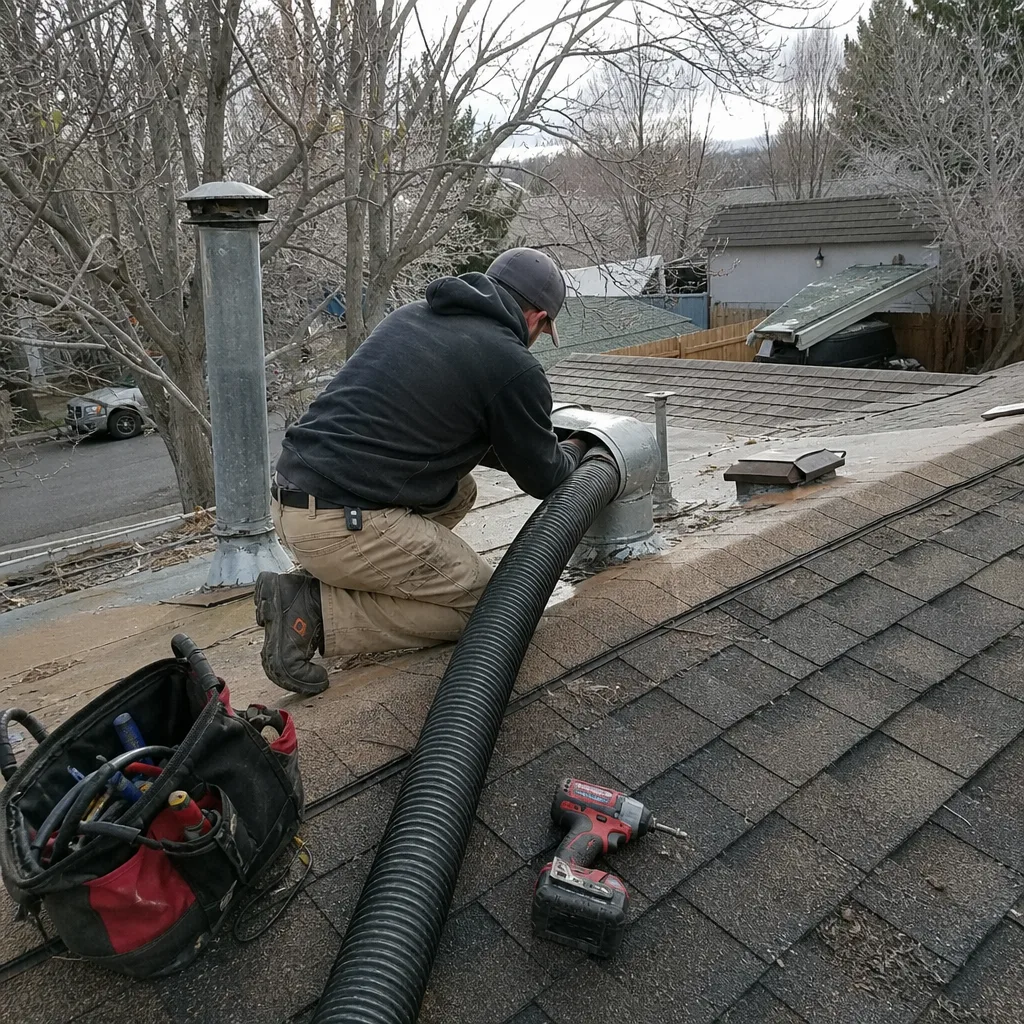 Before
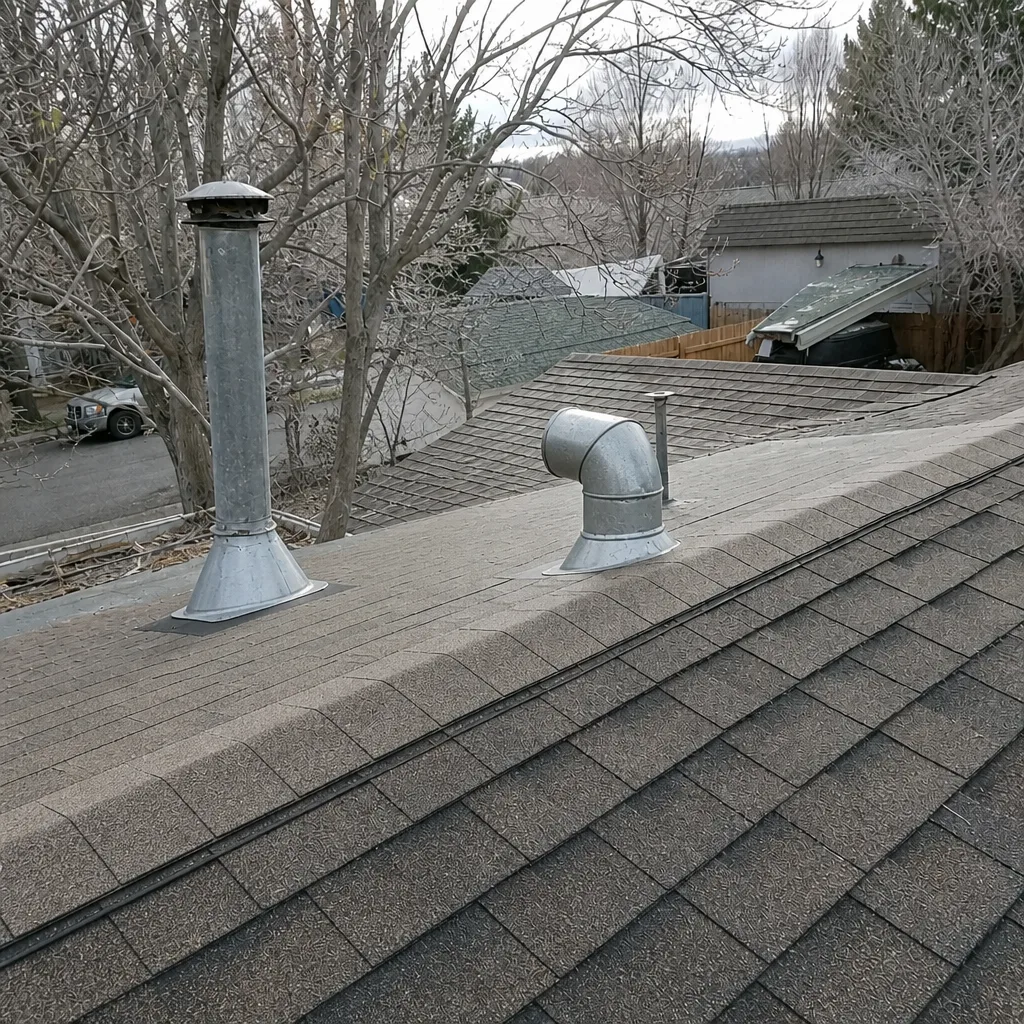 After
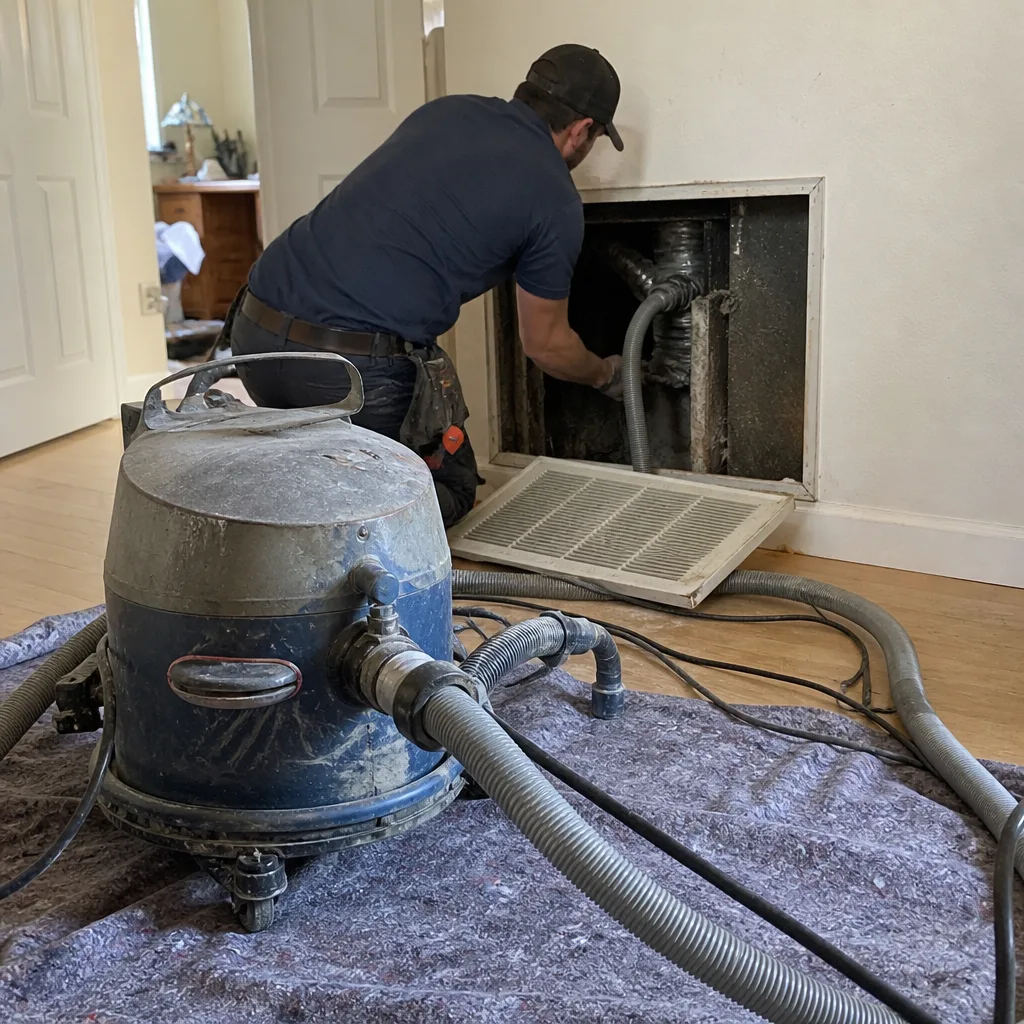 Before
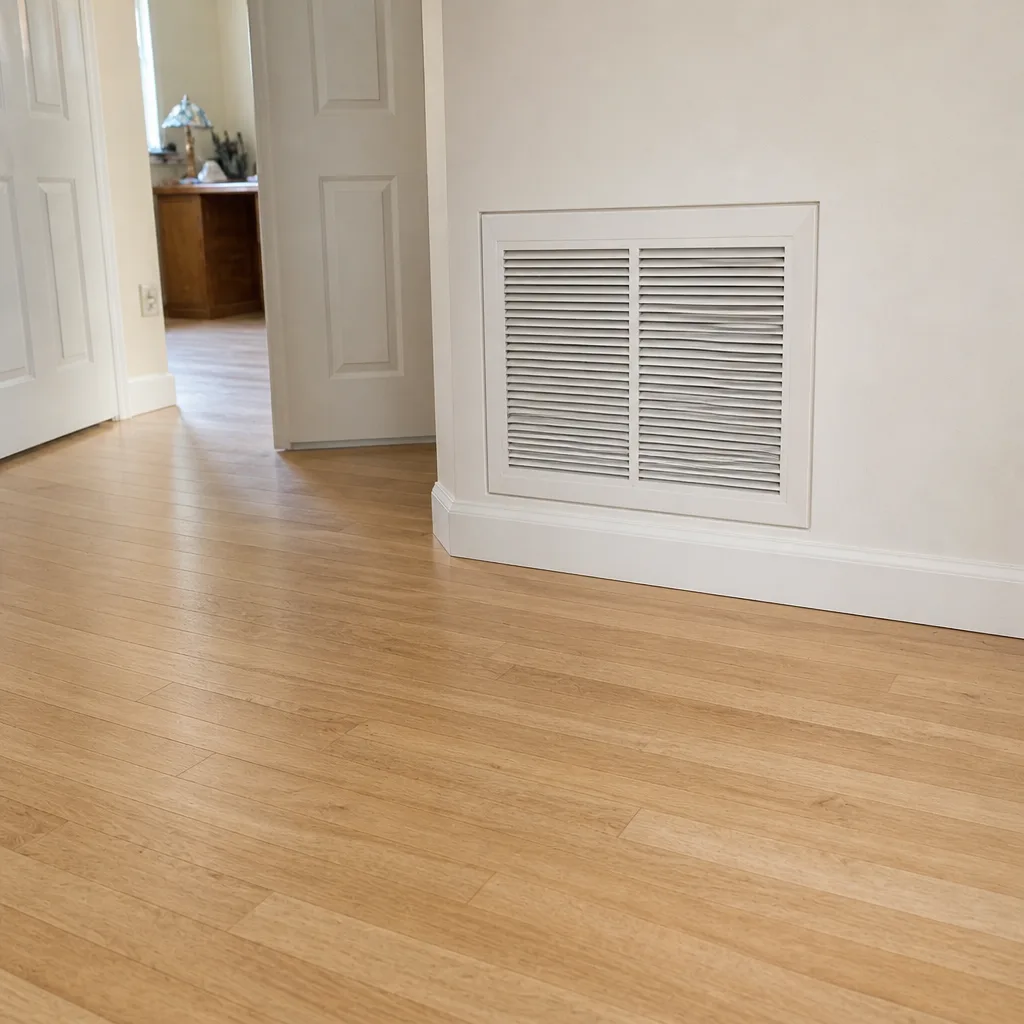 After
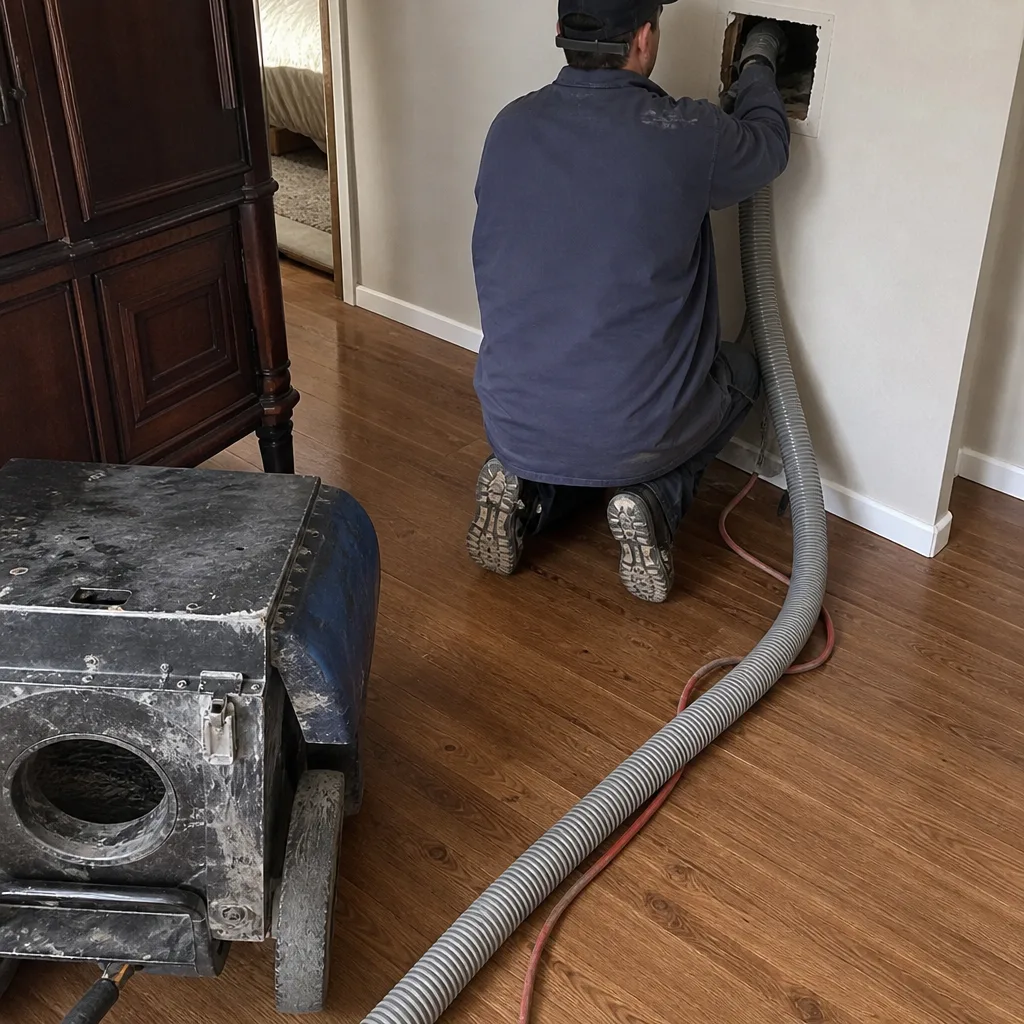 Before
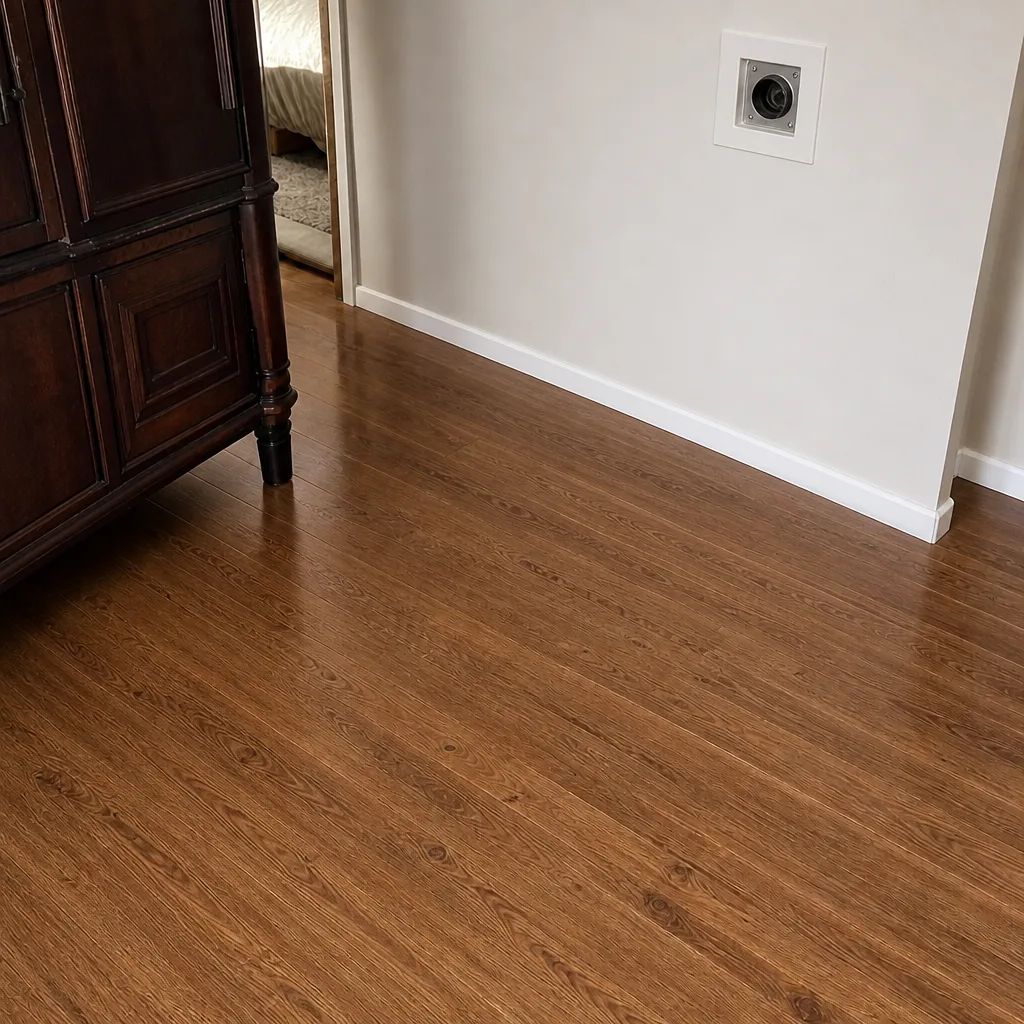 After
When to Call a Professional
Some jobs are household routine; some belong with someone who has the equipment to reach the duct interior and the repair capability to fix what’s found. Call a professional when you see uneven or heavy filter loading month after month, when airflow at the registers is noticeably weaker than it used to be, when there’s a musty smell when the system runs, or when visible debris moves through a supply register. Call if your ductwork is flex in a vented crawlspace, if you’ve been through a heavy smoke season, or if you simply don’t know when the system was last cleaned.
Repair is the bigger reason. Leaking joints, separated runs, and damaged duct surfaces are the root cause of most repeated contamination, and they’re fixed in the same visit rather than handed off. Duct Cleaning Reno offers free estimates in Reno, with a single flat price per system agreed before work starts and before-and-after photos of your own ducts when we’re done. Call (866) 361-7643. We answer 24/7. Fast dispatch from 7am to 7pm, Sunday through Friday.
Frequently Asked Questions
Most Reno homes should plan on professional air duct cleaning every two to four years, with annual filter changes and register cleaning in between. Lean toward the shorter end if you have multiple pets, flex duct in a vented crawlspace, or a recent heavy smoke season. A simple 30-day filter observation will tell you where your own home falls.
It isn’t wrong, but it’s an average rather than a measurement, and Reno’s conditions sit outside the average in real ways. High desert dust, wildfire smoke seasons, and a mix of older slab-on-grade and new tight construction mean the interval can move in either direction. Treat it as a starting point and adjust against your own home’s loading.
Target April, before the switch to cooling. By spring the ducts have taken a full heating season of dust and the windy months have added more, and cleaning then means the cooling season starts with a clean system. Cleaning in November leaves the winter’s deposit in place through the cooling months.
Yes, and the habits are straightforward. Change filters on a fixed rhythm, vacuum return grilles monthly, wipe registers each season, keep the blower door clear, and clear the dryer vent line routinely. Those habits slow how fast the ducts load, though they can’t reach the duct interior or fix a leaking joint.
The filter is what keeps particles from reaching the duct surfaces and settling there. A filter changed on a fixed rhythm, even a modest MERV-8, protects the ducts better than a high-rated filter left in until it’s clogged. It also gives you a free sensor for measuring your home’s contamination rate.
A musty smell means moisture has reached duct surfaces, and it’s the one symptom that should jump the schedule. It points at a moisture source that needs to be found and fixed, not just cleaned around. Call (866) 361-7643 for a free estimate so the source can be identified.
The Bottom Line
The right cleaning interval is the one your house tells you, not the one from a generic chart. Plan on two to four years in Reno, then adjust against the five variables that matter: filter discipline, pets, duct material, foundation type, and smoke seasons. Schedule around April, before cooling season, and keep filters, grilles, registers, and the dryer vent line on an annual rhythm. Make every professional visit include a coil inspection, a duct sealing check, and blower compartment cleaning, and fix leaking joints rather than cleaning around them. Use the 30-day filter test once, and you’ll set an interval that actually holds for your home.
Grounding all of this in one brand names you can verify matters here. We use Rotobrush mechanical brushing for genuine agitation, Nikro HEPA-rated extraction to capture particles down to 0.3 microns, and Abatement Technologies negative-air containment so nothing migrates during the work. Air duct repair is on the service menu because cleaning around a leak doesn’t hold. For a free estimate in Reno, call (866) 361-7643. We answer 24/7. Fast dispatch from 7am to 7pm, Sunday through Friday.
Written by the team at Duct Cleaning Reno.