
Last updated November 15, 2026
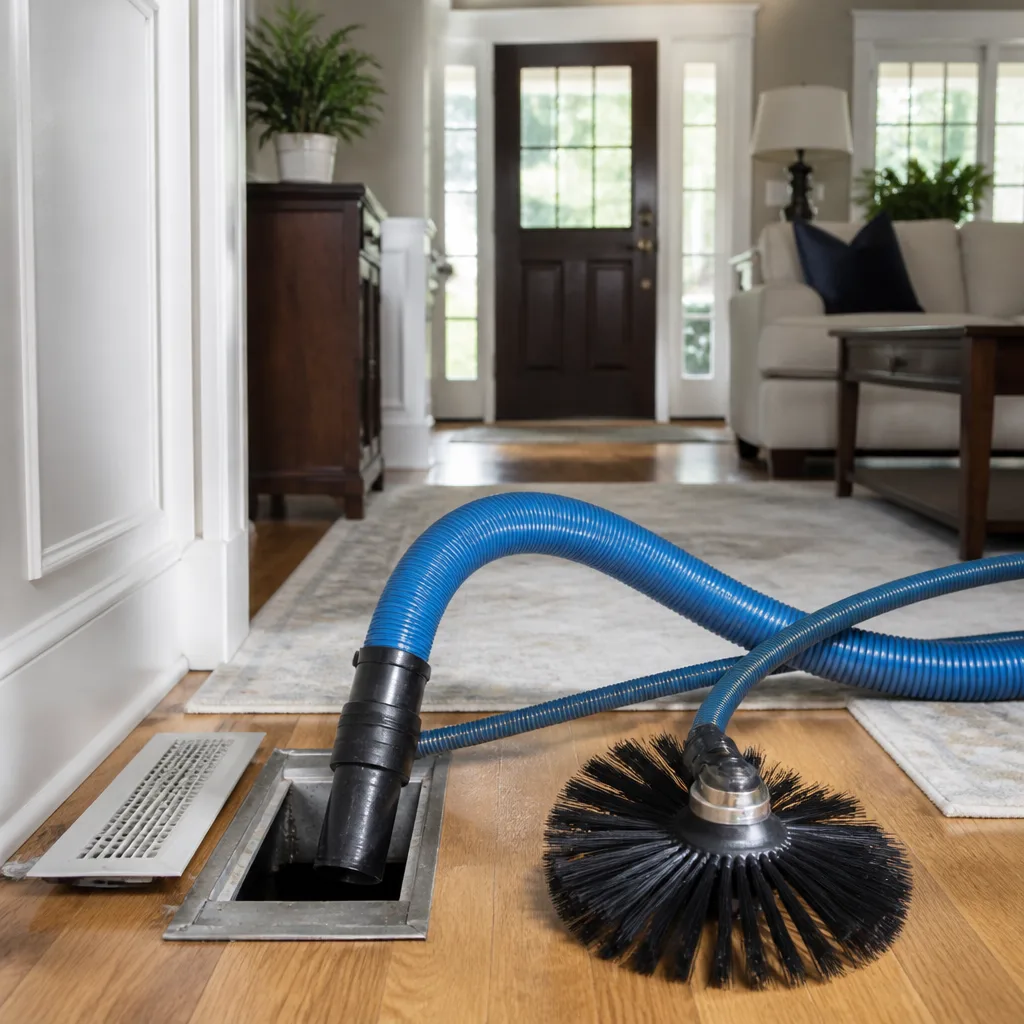 Whole-home duct cleaning
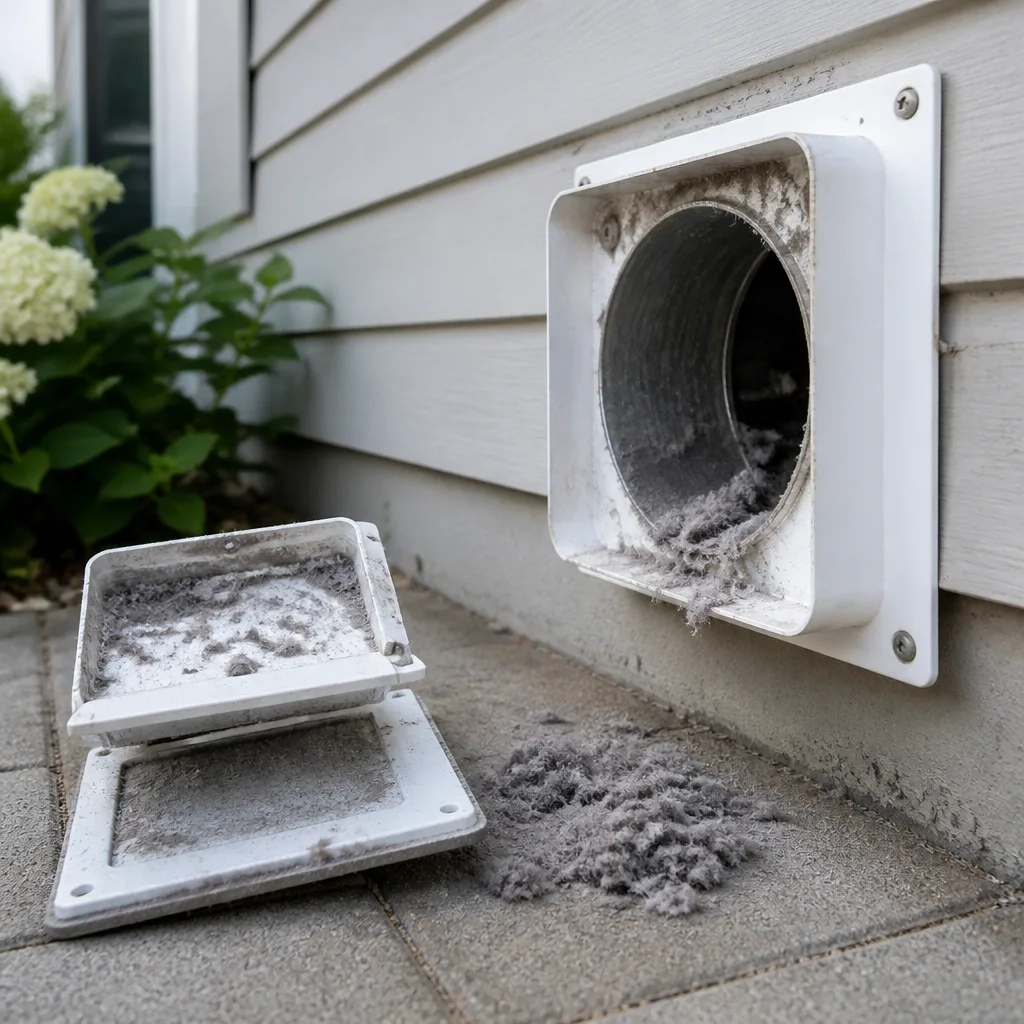 Dryer vent cleaning
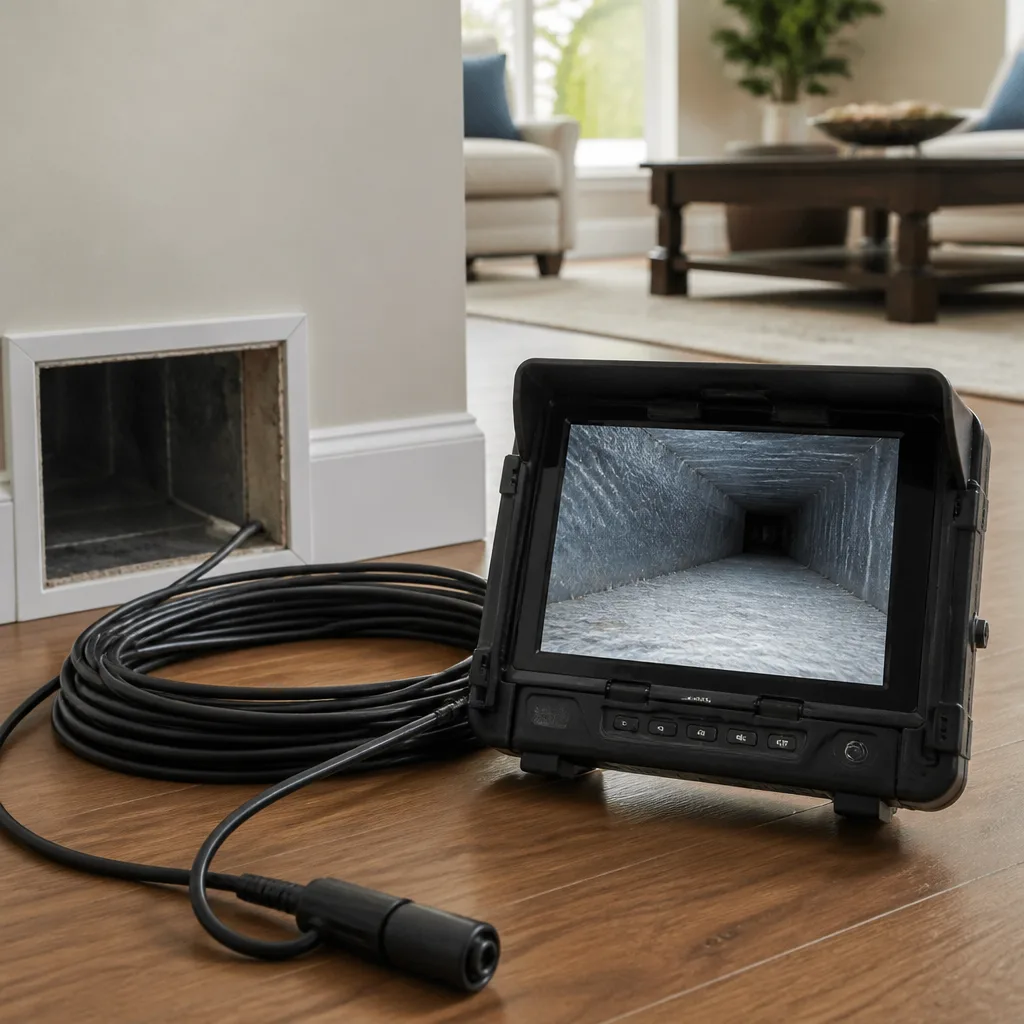 Camera inspection
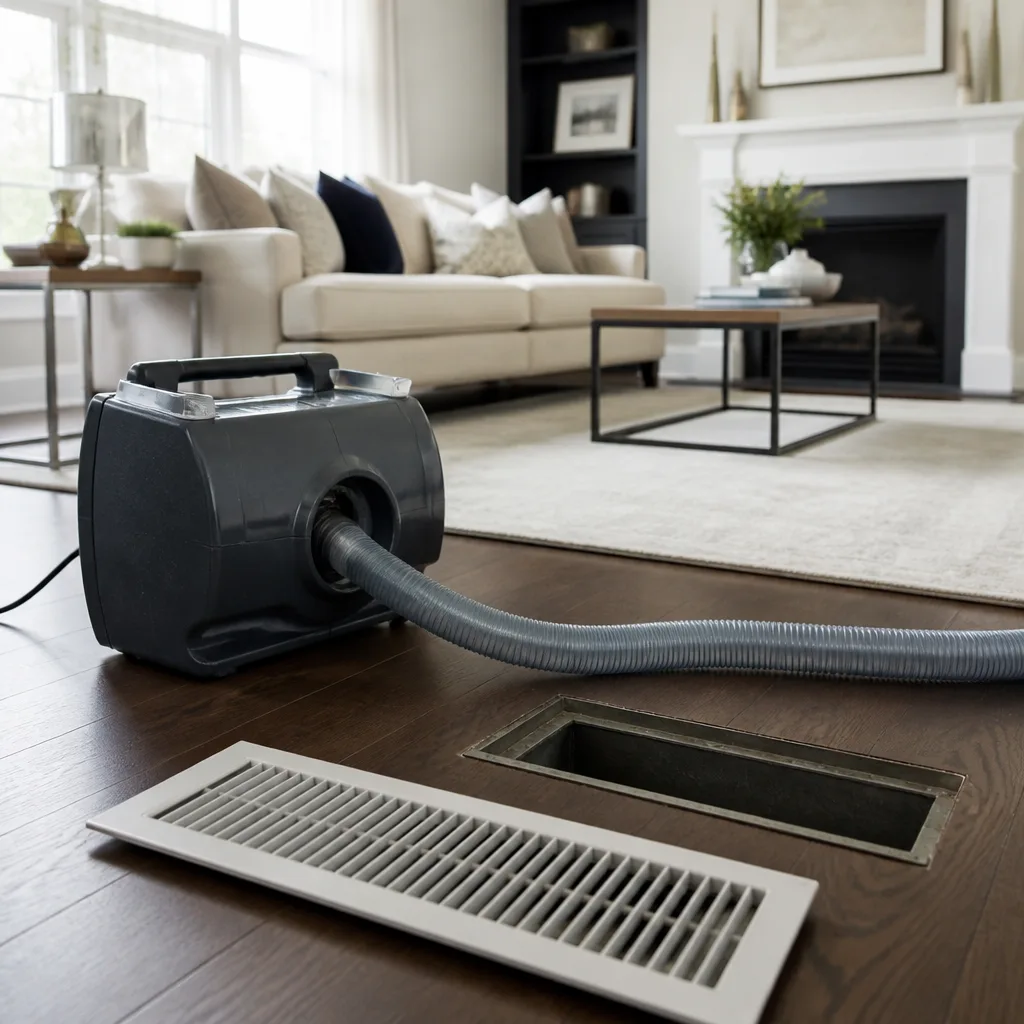 Sanitizing & deodorizing
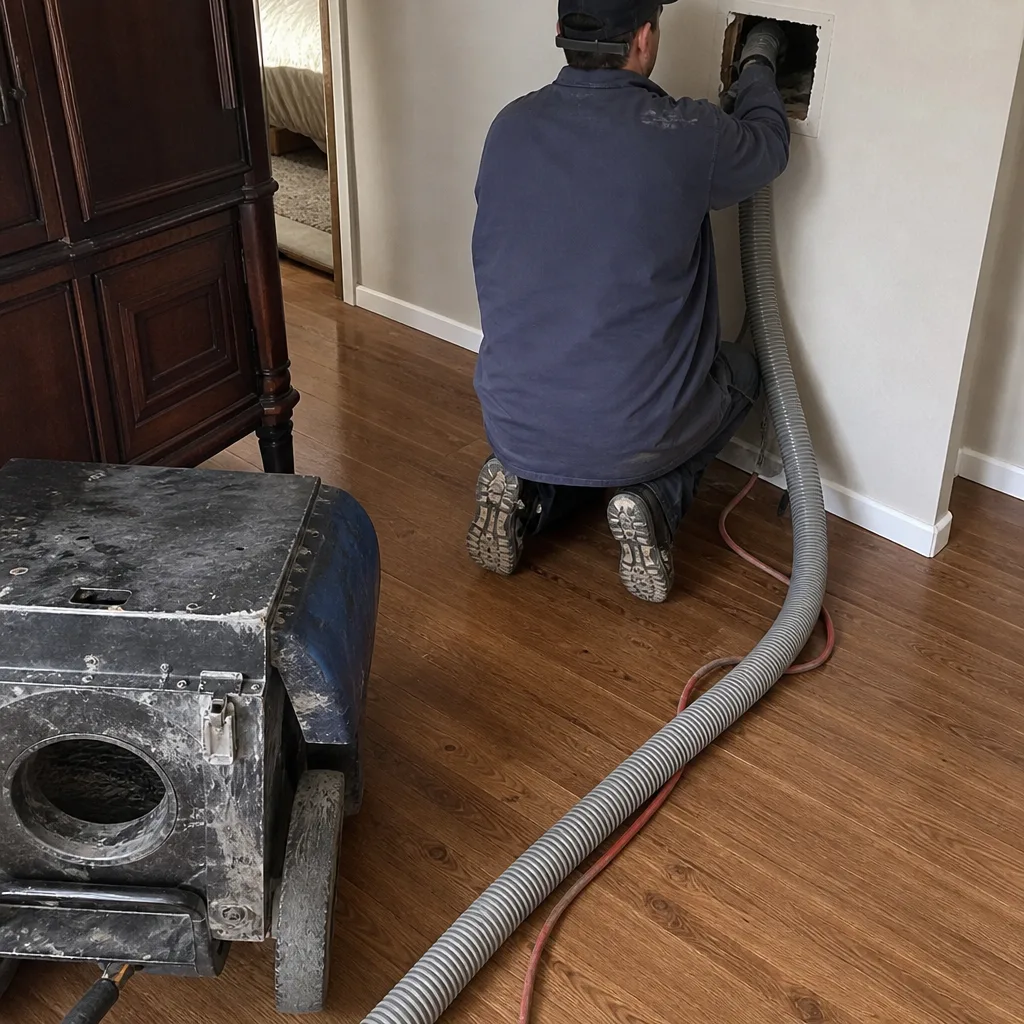
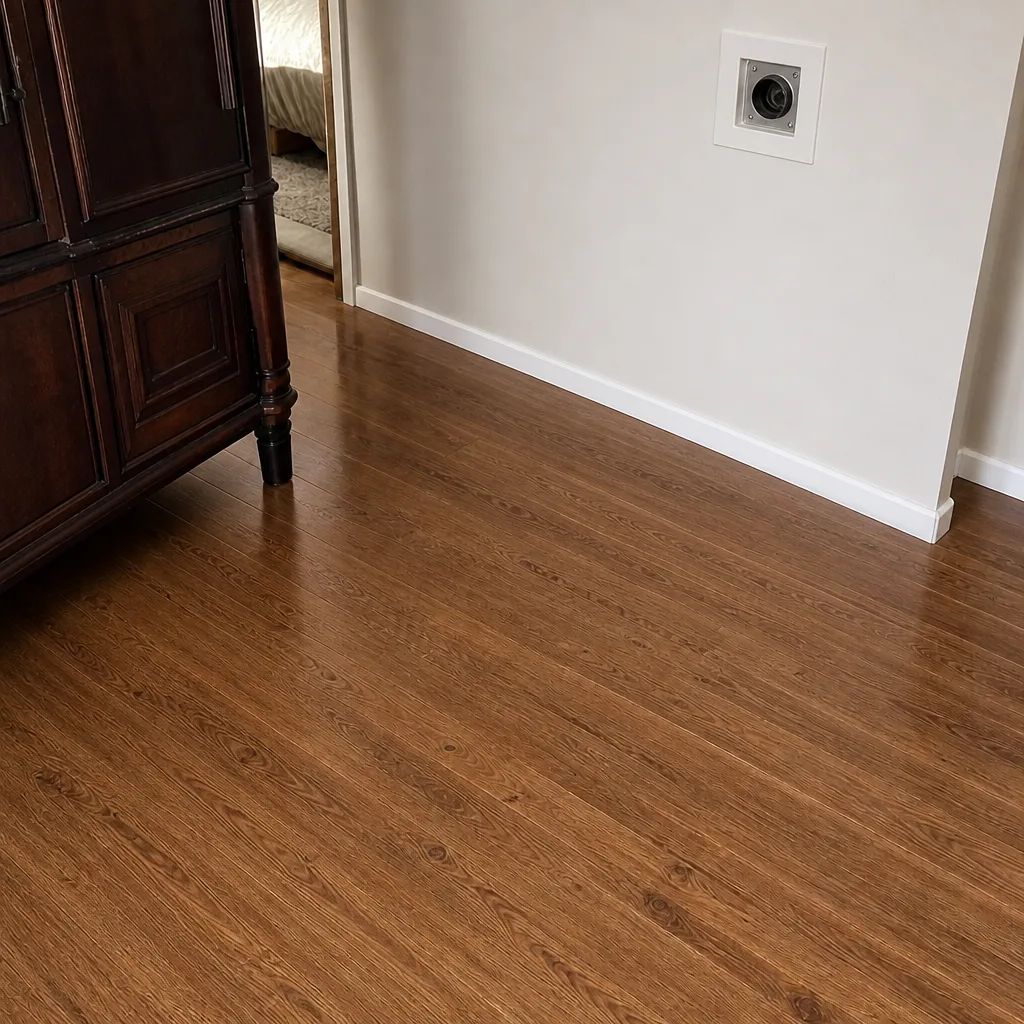
Whole-system duct and dryer vent check with before-and-after photos - you see exactly what came out of your vents
That "$99 whole-house special" is a bait ad - the real number appears once they are in your hallway, or the "clean" is a shop-vac at the register. We photograph the inside of your ducts before and after instead.
Seasonal Air Duct Cleaning Care for Reno: Year-Round Homeowner’s Guide
Most homeowners treat duct cleaning like a once-a-year checkbox. That’s the misconception this guide corrects. In Reno, your ductwork doesn’t face one contamination season – it faces four, each depositing something different inside the same system. Spring brings pollen through open windows and return grilles. Summer pulls wildfire smoke into every gap and joint. Fall kicks up construction dust from a city that never stops building. Winter cycles combustion byproducts through supply runs every time the furnace fires. The right cleaning schedule depends on which of those pressures hits your specific system hardest. This guide walks through each season, the signs to watch for, and how to build a rolling 12-month calendar for your Reno home.
Quick Answer
Air ducts in Reno need attention on a seasonal rhythm, not a fixed annual date. Spring pollen, summer wildfire smoke, fall construction dust, and winter furnace cycling each load the system differently, so the best time to clean depends on your HVAC type, filter grade, and how much smoke your home drew in during fire season. For most Reno homes, a pre-summer inspection and a post-smoke-season assessment cover the two heaviest contamination windows.
Styles & brands we work with
- Whole-home duct cleaning
- Dryer vent cleaning
- Camera inspection
- Sanitizing & deodorizing
Table of Contents
- How Reno’s Four Seasons Stress Your Ducts
- Spring: Pollen Infiltration and Return Grille Load
- Pre-Summer HVAC Prep: What to Check Before the First Cooling Cycle
- Summer Wildfire Smoke: PM2.5 and Duct Contamination
- Post-Wildfire-Season Protocol: Clean or Just Swap the Filter?
- Fall Construction Dust and the Valley Building Boom
- Winter Combustion Risk and Furnace Cycling
- Building Your Rolling 12-Month Reno Duct Calendar
How Reno’s Four Seasons Stress Your Ducts
Every climate has an air quality calendar. Reno’s is unusually compressed. The high-desert location means pollen season arrives quickly and hard, fire season overlaps it through late summer, and the winter heating months circulate whatever settled into the ducts the previous three seasons. That overlap is what makes generic “clean annually” advice so imprecise for Reno homes.
Here’s how each season loads the system:
- Spring: Cottonwood, juniper, and grass pollen enter through return grilles, open windows, and door gaps. Return-side ducts and the blower compartment collect the load first.
- Summer: Wildfire smoke carries fine PM2.5 particulate that bypasses standard filters and deposits on duct walls and registers. Homes running on recirculation during smoke events absorb the largest load.
- Fall: Construction dust from ongoing development across the Truckee Meadows, plus the first dust storms off the surrounding hills, settles into the same runs as spring pollen.
- Winter: Furnace cycles push warmed air through every duct, mobilizing anything that collected earlier. Combustion byproducts from gas heating add a second layer.
The insight missing from most maintenance calendars is that these seasons don’t cancel each other out. A home that got pollen-heavy in April and then drew wildfire smoke in August doesn’t need one cleaning – it needs two assessments timed to those specific events. That’s why we tell Reno homeowners to think in terms of contamination events, not calendar slots. Our air duct cleaning process is built around exactly that: identifying what entered the system and when, not just running a vac through every register on a fixed schedule.
Spring: Pollen Infiltration and Return Grille Load
Reno’s spring is short and aggressive. Pollen counts climb fast as the valley warms, and homes that open windows for relief end up pulling that load straight into the return side of the HVAC system. The return grille is the entry point, but the blower compartment and the first few feet of the main return trunk absorb the heaviest loading.
What to check in spring:
- Inspect the return grille face: Visible fuzz or grey film on the grille slats is the first sign the return side is loading up.
- Check filter condition: A filter that darkens in three or four weeks instead of the usual eight is telling you the return side is collecting more than the filter can hold.
- Look at supply registers in bedrooms: A thin film on the louvers of the supply registers usually means pollen has already passed the filter and is being pushed into rooms.
- Note any musty smell when the system first starts: That’s often pollen load combining with moisture in the coil cabinet, not just duct dust.
The mistake we see most in spring is a filter swap without a return-side assessment. A fresh filter traps new pollen but does nothing about what already settled inside the trunk line. If you’ve got pollen-sensitive occupants in the house, the return-side inspection matters more than the filter upgrade. Our technicians have up to 15 years of experience reading these signals, and we’ll tell you plainly whether your system needs cleaning or just a filter change.
Pre-Summer HVAC Prep: What to Check Before the First Cooling Cycle
The first cooling cycle of the year is when the system moves the most accumulated material at once. Everything that entered the ducts through spring gets pushed out through the supply registers the first time the AC runs. If the ducts are heavily loaded, that first cooling cycle is a visible event – dust puffs, musty smell, and a house that feels dirtier than it did the day before.
A solid pre-summer check for a Reno home covers five things:
- Filter grade: When fire season is forecast to be active, step up from a MERV 8 to a higher-efficiency filter compatible with your system’s blower. Going too high restricts airflow; match the rating to your equipment.
- Return-side inspection: A quick look at the return trunk with a flashlight tells you whether spring pollen has settled in. Visible accumulation means it’s time to schedule cleaning before the AC loads up.
- Coil cabinet condition: The evaporator coil cabinet is the darkest, dampest part of the system. If it’s carrying pollen and dust from the return side, that material can support microbial growth once the AC runs and condensation starts.
- Duct joint integrity: Walk the accessible runs and look for disconnected joints, crushed flex, or torn insulation. Leaky ducts pull attic air into the system in summer, which is exactly the wrong direction.
- Register and grille condition: Pull a few supply registers and note whether the boots are clean or coated. Coated boots are a sign the load is heavier than the filter can manage.
If the inspection turns up disconnected or crushed runs, we repair them in the same visit. That’s the reason our Duct Cleaning Reno service includes air duct repair on the menu – flagging a leak and leaving it for another contractor doesn’t solve the contamination problem, it just delays it. Here’s exactly what happens during a cleaning: Rotobrush agitation loosens the load, Nikro HEPA extraction captures it, and Abatement Technologies negative-air containment keeps contaminants from migrating through the house while we work.
Summer Wildfire Smoke: PM2.5 and Duct Contamination
Wildfire smoke is the single largest contamination event a Reno duct system will face in most years. Smoke carries fine particulate – PM2.5 and smaller – that passes through standard filters and deposits on duct walls, register louvers, and the blower wheel. Once it’s inside the ducts, running the system on recirculation during a smoke event doesn’t remove it; it distributes it.
What makes it worse than people realize:
- Smoke particulate is small enough to accumulate in the flexible runs and the return trunk where air moves slowly.
- The smell lingers because the particulate is oil-based and clings to surfaces. A filter swap won’t remove the smell because the filter isn’t where the particulate settled.
- Ash fall adds particulate loading on the outside of the home too, which gets pulled in whenever windows or doors open between smoke events.
- Homes running window units, portable air conditioners, or swamp coolers during smoke draw the load straight into occupied space with no filter protection at all.
Reno’s fire season can run from July into October, with the heaviest smoke weeks clustered in late summer and early fall. Homes that stayed sealed with the HVAC running on recirculation during those weeks absorbed the largest load. That’s the group most likely to need a cleaning rather than just a filter change once the smoke clears. Our Reno service covers all the residential neighborhoods in the valley, from Old Southwest to the new builds out toward Spanish Springs.
Post-Wildfire-Season Protocol: Clean or Just Swap the Filter?
Once fire season ends, the question every Reno homeowner faces is whether the ducts need professional cleaning or a filter swap will do. The short answer: if your home stayed sealed during smoke events and your filter darkened visibly in a few weeks, the ducts likely need attention. If your home was only lightly exposed – short smoke windows, doors and windows closed, HVAC running with a higher-MERV filter – a filter swap may be enough for the season.
Use this flow to decide:
- Did the house smell of smoke when the HVAC ran? Persistent smell when the system starts is a strong signal that particulate has settled inside the ducts.
- Did a filter that usually lasts two months darken in three weeks? That means the load was heavier than the filter could manage and some passed through.
- Did you run the system on recirculation during smoke days? Recirculation distributes particulate into every run, not just the return side.
- Do occupants notice increased sinus or throat irritation indoors during smoke weeks? This is a process signal, not a diagnosis – it tells you the indoor air is carrying more particulate than it should.
- Do supply registers show visible residue? Wipe a register louver with a white cloth. If the cloth comes back grey-brown rather than white, the duct is depositing material into the room.
Two or more yes answers points to cleaning. One yes answer or none points to a filter swap plus a return-side inspection. We work with Honeywell and Aprilaire whole-home air quality systems, so if your home has a media cabinet or a bypass humidifier, we’ll check how the ductwork connects to those systems before we quote anything. That check matters because a media filter cabinet collects differently than a standard 1-inch slot.
Fall Construction Dust and the Valley Building Boom
Fall in Reno is dry, windy, and active with construction. New housing tracts, remodels, and road work all put fine dust into the air, and the first storms off the surrounding hills add another load. That dust enters the ducts the same way pollen and smoke do – through return grilles, open windows, and door gaps – but it’s often heavier and more abrasive than airborne pollen.
What fall dust does inside the ducts:
- It coats duct walls with a grey-brown film that’s visible on register louvers on the supply side.
- It settles into the return trunk and the blower wheel, cutting airflow efficiency as it accumulates.
- It combines with pollen from spring and smoke from summer to form a mixed load that’s harder to remove with a light pass.
- In homes near active construction, the loading can rival a full post-fire-season load in a single fall.
Fall is also the best time to have the ducts looked at professionally, because the inspection catches both the summer smoke load and the autumn construction load in a single visit. Our process uses Rotobrush mechanical brushing to dislodge the settled material and Nikro HEPA-rated extraction to capture it. HEPA-rated extraction matters here specifically because construction dust is fine enough to re-suspend if a lighter vacuum is used. If you’ve already had a light fall cleaning from another provider and the ducts aren’t visibly cleaner, our inspection will show you what a proper HEPA-rated extraction pass should leave behind.
Winter Combustion Risk and Furnace Cycling
Winter is the season most homeowners assume is easiest on the ducts. It’s not. When the furnace runs, it mobilizes everything that collected in the ducts during spring, summer, and fall. The supply side pushes that material into rooms all winter long. If your home has gas heat, there’s a second layer to the risk: combustion byproducts from a furnace that isn’t venting properly can be drawn into the return side and distributed through the house.
Signs worth taking seriously in winter:
- Headaches or dizziness that get worse when the heat runs. This is a carbon monoxide signal, not a duct signal. If you notice this, leave the house and call your gas utility or 911 – do not wait for a duct cleaning appointment.
- A sharp or metallic smell when the furnace fires. Usually a first-run-of-season odor that should clear in a few minutes. If it persists, have the furnace checked before you continue using it.
- Dust puffs from supply registers when the heat first comes on. That’s accumulated load mobilizing. If it happens every cycle rather than just once, the ducts are loaded.
- Filter darkening far faster than in mild months. Winter cycles move a lot of air and dislodge material that settled during the mild seasons.
An annual furnace inspection is not optional here, and neither is verifying that the return ducts aren’t pulling air from a space that includes combustion appliances. Any gas appliance in the same pressure zone as the return can create a backdraft risk if the ducts are leaky. Duct repair closes those leaks and reduces that risk. That’s why we treat leak repair as part of the winter protocol, not a separate upsell – a leaky return in winter is a combustion air problem first and a dust problem second.
Building Your Rolling 12-Month Reno Duct Calendar
The right calendar for your Reno home depends on the system type, the occupants, and the location. A home near an active construction site runs a different schedule than a home in a mature neighborhood. A home with a whole-home media cabinet (Honeywell or Aprilaire) runs a different schedule than one with a basic 1-inch filter slot. The point isn’t to do the same thing every year – it’s to match the schedule to the system and its seasonal pressure.
Here’s the general 12-month framework we recommend for a Reno home:
- March: Inspect the return side and the filter slot. Change the filter, note the darkening rate. If darkening accelerated in three weeks, plan a cleaning before the AC kicks on.
- April-May: Pre-summer assessment. Check duct joints, coil cabinet, and register boots. Schedule cleaning if spring pollen load is heavy or summer fire forecast is active.
- June: Filter step-up to the MERV rating your blower supports. Verify window seals and door sweeps before fire season.
- July-August: Run the system on recirculation with windows closed during smoke events. Check the filter every two weeks instead of monthly.
- September-October: Post-fire-season assessment. Two or more yes answers on the flow above means schedule cleaning. Swap the filter regardless.
- November: Duct joint inspection before the first deep heating cycle. Repair any leaks. Have the furnace checked before regular use.
- December-February: Monitor dust puffs and filter darkening rate. Watch for combustion symptoms – leave the house and call if you notice them.
Adjust the calendar to what your system is showing you, not what the calendar says. A Reno home with a whole-home Aprilaire media cabinet may only need cleaning every two or three years, while a home with a 1-inch slot and heavy pollen exposure may need attention every year. The calendar is a frame, not a rule. We add a Guardsman-grade protective treatment after cleaning to extend the results beyond the day of service, which matters for homes on the tighter end of the calendar.
Common Mistakes to Avoid
- Treating duct cleaning as a fixed annual event. The right time to clean in Reno depends on the contamination events that hit the home in the preceding 12 months, not on the calendar date. A home that absorbed a heavy wildfire-smoke load needs attention sooner than one that didn’t.
- Swapping filters without a return-side inspection. A fresh filter traps new particulate but doesn’t remove what’s already accumulated in the return trunk and blower wheel. Skipping the inspection means missing the biggest part of the load.
- Running the system on recirculation without a filter upgrade. Recirculation during a smoke event with a MERV 8 or lower filter distributes particulate through every run rather than pulling it out. Match the filter to the smoke load before the event, not after.
- Assuming a cheaper quote covers the same scope. A low-bid visit that only runs an air whip through each register isn’t the same work as a documented HEPA-rated extraction pass. Ask what equipment is used and what the cleaning includes before comparing prices.
- Skipping the furnace check in winter. A leaky return in the same pressure zone as a gas furnace is a combustion air risk, not just a dust problem. Have the furnace checked before the first heavy heating cycle of the season.
- Ignoring visible residue on register louvers. A wipe-test residue on supply registers means the ducts are pushing material into rooms. That’s a cleaning signal, not a filter signal.
- Leaving duct leaks unrepaired after a cleaning. A cleaning on leaky ducts isn’t a durable fix – the leaks pull new contamination in from the attic or crawl space within a season.
See the difference
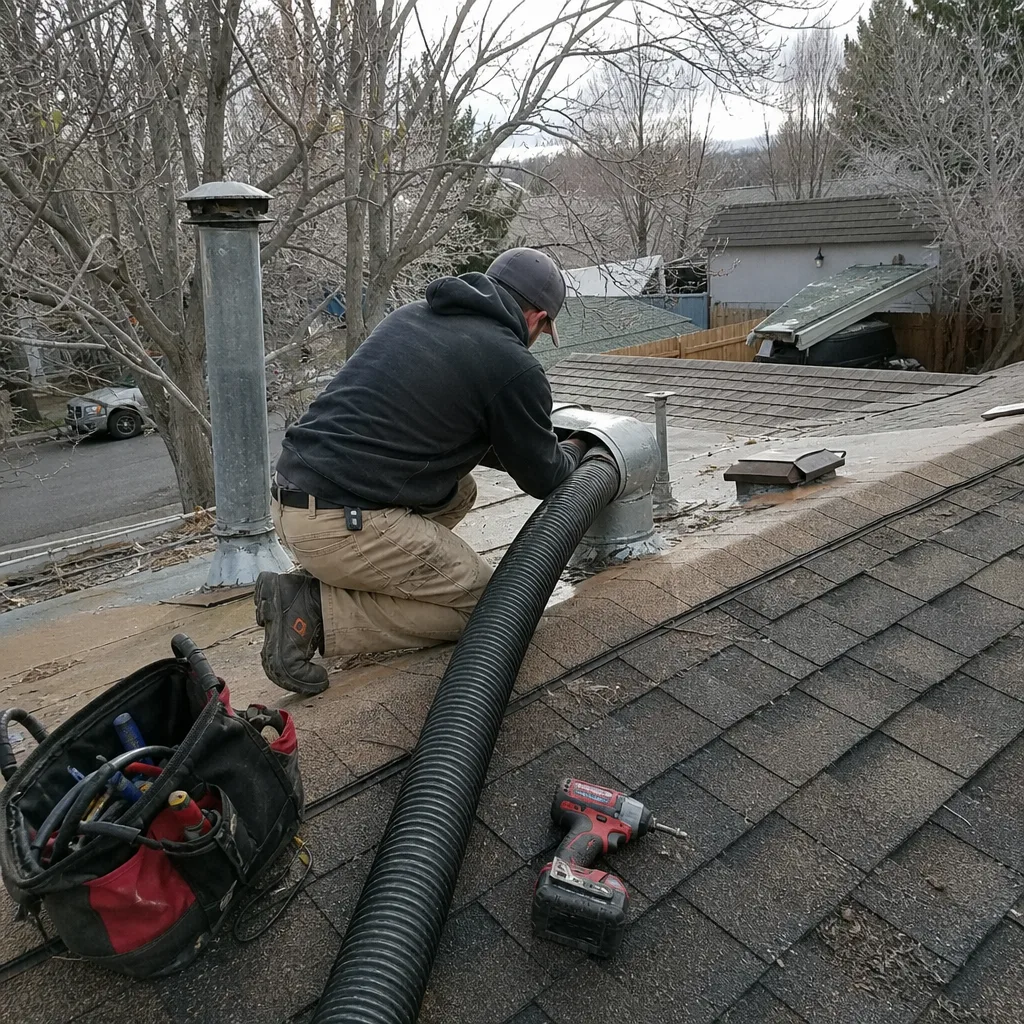 Before
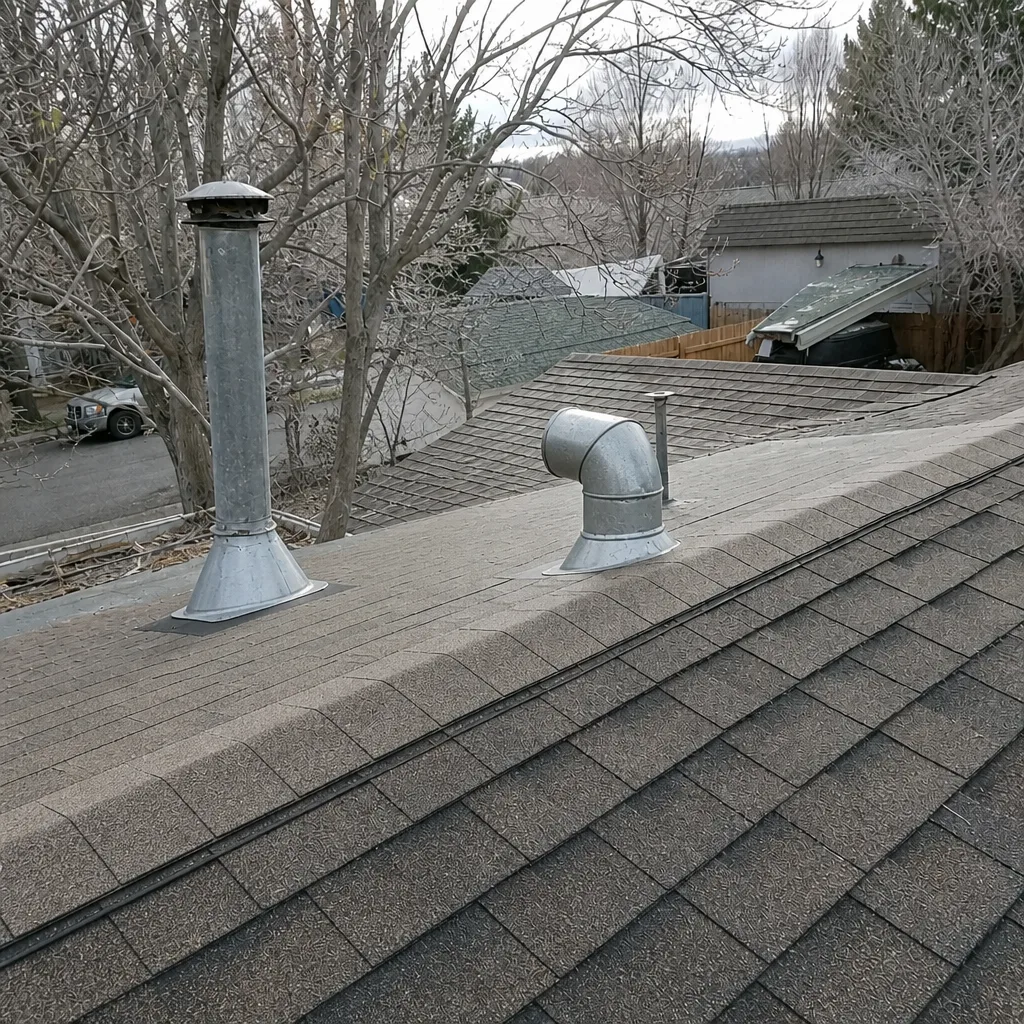 After
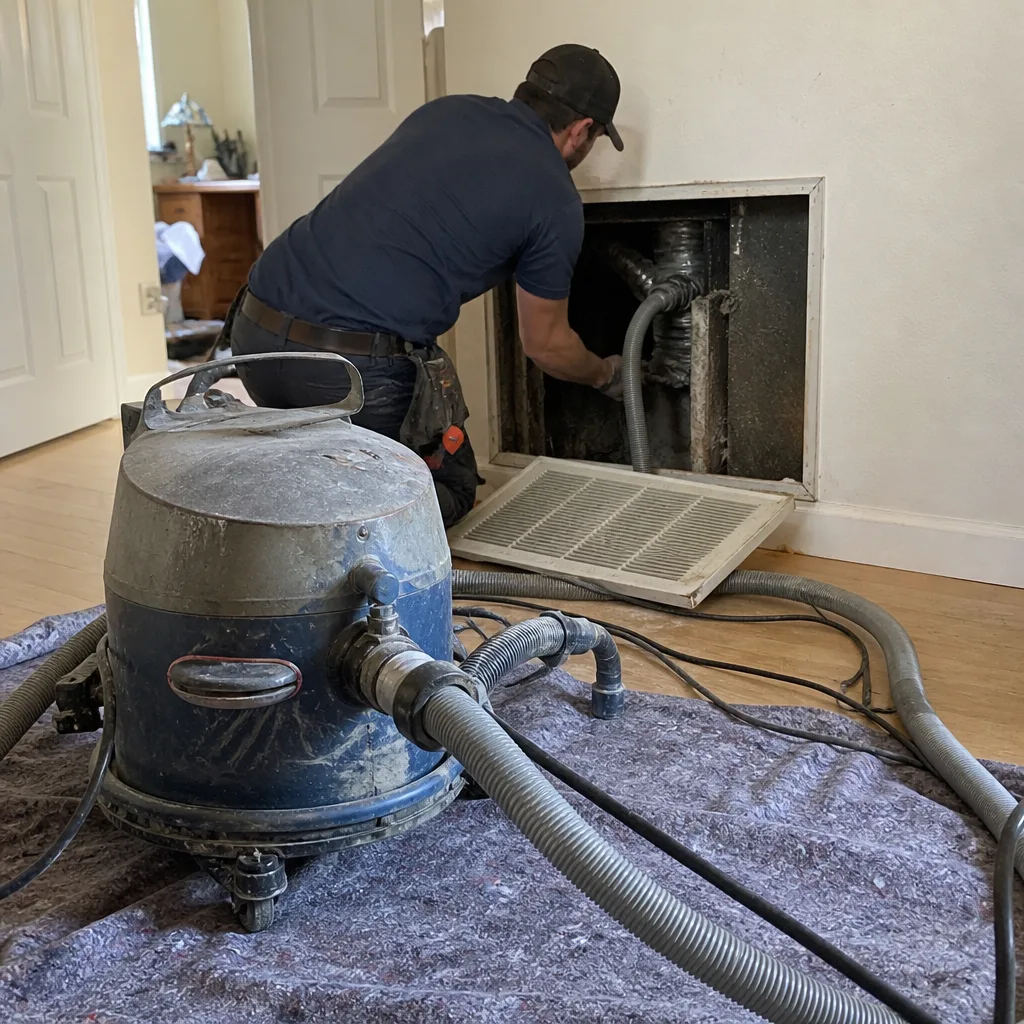 Before
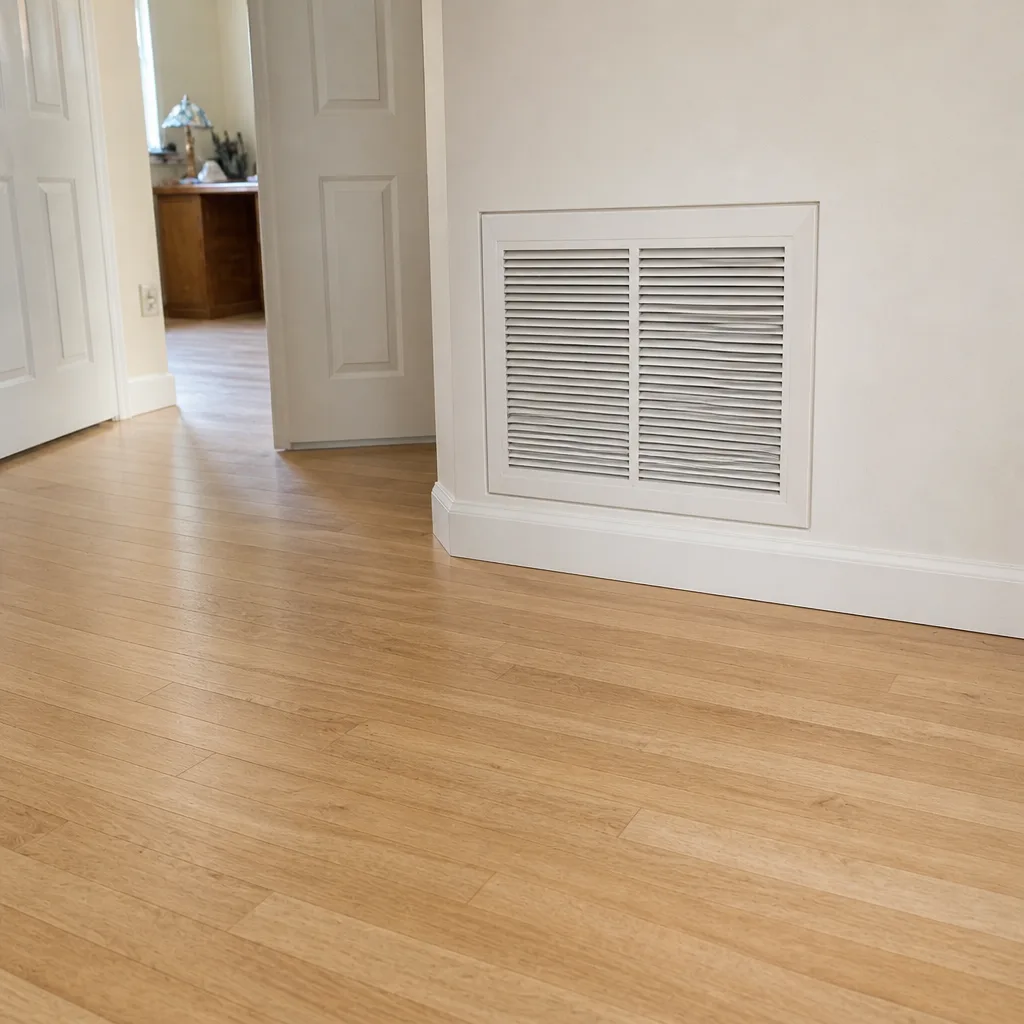 After
 Before
 After
When to Call a Professional
Call a professional when the wipe test on your supply registers leaves grey-brown residue, when a filter darkens in less than a month, when the system pushes visible dust puffs on every cycle, or when the house smells of smoke for weeks after a fire-season event. Call when a return-side inspection finds disconnected or crushed runs. Call when the furnace is producing combustion symptoms that don’t clear within a few minutes of startup, and leave the house first. Call before fire season if you want the ducts assessed before the next smoke event, not after. Duct Cleaning Reno offers free estimates in Reno – call (866) 361-7643.
Frequently Asked Questions
For most Reno homes, every two to three years covers normal seasonal loading, and every year is appropriate when a home absorbed heavy wildfire smoke or sits near active construction. The right answer depends on the filter grade, the occupants, and the contamination events the home saw in the preceding 12 months, not on a fixed calendar. Call (866) 361-7643 for an exact quote after an inspection – estimates are free.
A filter swap is enough only when the home was lightly exposed – short smoke windows, sealed up, HVAC running with a higher-MERV filter. When the home ran on recirculation through heavy smoke days, or the house smells of smoke weeks later, particulate has settled in the ducts and a filter swap won’t remove it. Call (866) 361-7643 for an assessment – estimates are free.
Cheaper quotes usually skip the equipment that makes the cleaning effective. An air whip through the registers doesn’t dislodge what’s stuck to the duct walls, and a shop-vac extraction doesn’t capture fine particulate without re-suspending it in the living space. HEPA-rated extraction captures particles down to 0.3 microns. Negative-air containment keeps them from migrating. Ask any provider what equipment they use and whether the work is documented with before-and-after photos. Call (866) 361-7643 for an exact quote on our process.
Ask for before-and-after photos of your own ducts, taken at the same points in the system. Documentation is the only way to verify what happened inside the ducts during the visit. A provider who uses Rotobrush and Nikro HEPA equipment should be able to show you what came out and what the ducts look like after extraction. Call (866) 361-7643 for an exact quote – estimates are free.
Yes, in a specific way. Ducts that already carry a settled load of pollen and dust re-suspend that material every time the system cycles, which adds to whatever smoke is entering from outside. Cleaning before smoke season, then running a higher-MERV filter during it, is a more effective combination than either step alone. Call (866) 361-7643 to schedule a pre-season assessment – estimates are free.
Yes – the ductwork connects to the media cabinet or bypass humidifier, so the cleaning needs to account for that connection. A media cabinet collects differently than a standard 1-inch filter slot, and a bypass humidifier on the return side can hold moisture that changes how the duct loads. We work with Honeywell and Aprilaire systems and inspect the connection points before quoting. Call (866) 361-7643 for details – estimates are free.
The Bottom Line
Reno’s four seasons don’t load your ducts equally, so a fixed annual cleaning date misses the point. Spring pollen, summer wildfire smoke, fall construction dust, and winter furnace cycling each add something different to the system, and the right cleaning schedule matches the load your home actually absorbed. Start with a return-side inspection, run a step-up filter through fire season, and schedule cleaning when the wipe test, filter darkening rate, or post-smoke smell tells you it’s time. For homes across Reno, that usually means a pre-summer assessment and a post-fire-season follow-up. We answer 24/7, and fast dispatch from 7am to 7pm keeps the scheduling flexible.
Dryer Vents: The Other Seasonal Fire Risk
Duct cleaning is one side of the home’s air movement story. Dryer vents are the other, and lint buildup is the leading cause of dryer fires, which is why we treat dryer vent cleaning as a dedicated fire-safety service rather than a low-effort upsell. The seasonal rhythm applies here too, just differently. Winter loads a dryer’s vent with heavier lint as households dry more laundry, and the lint accumulates in the same elbow points and outside termination where a clog eventually slows drying times and raises the exhaust temperature.
A homeowner can check the outside termination flap for free airflow, watch for clothes taking two cycles to dry, or feel whether the exhaust duct is warm to the touch when the dryer runs. Those are all signs that the vent needs a professional pass, not a shop-vac approach from the basement. Full vent-line clearance means clearing the entire run, from the dryer connection to the outside exit – not just the section a homeowner can reach.
Pair the vent check with the duct inspection and both halves of the system get a seasonal look in the same visit. Call (866) 361-7643 for free estimates on either service. We answer 24/7. Fast dispatch from 7am to 7pm, Sunday through Friday.
Call (866) 361-7643 for a free estimate. We answer 24/7, with fast dispatch from 7am to 7pm, Sunday through Friday.
Written by the team at Duct Cleaning Reno.