
Last updated November 15, 2026
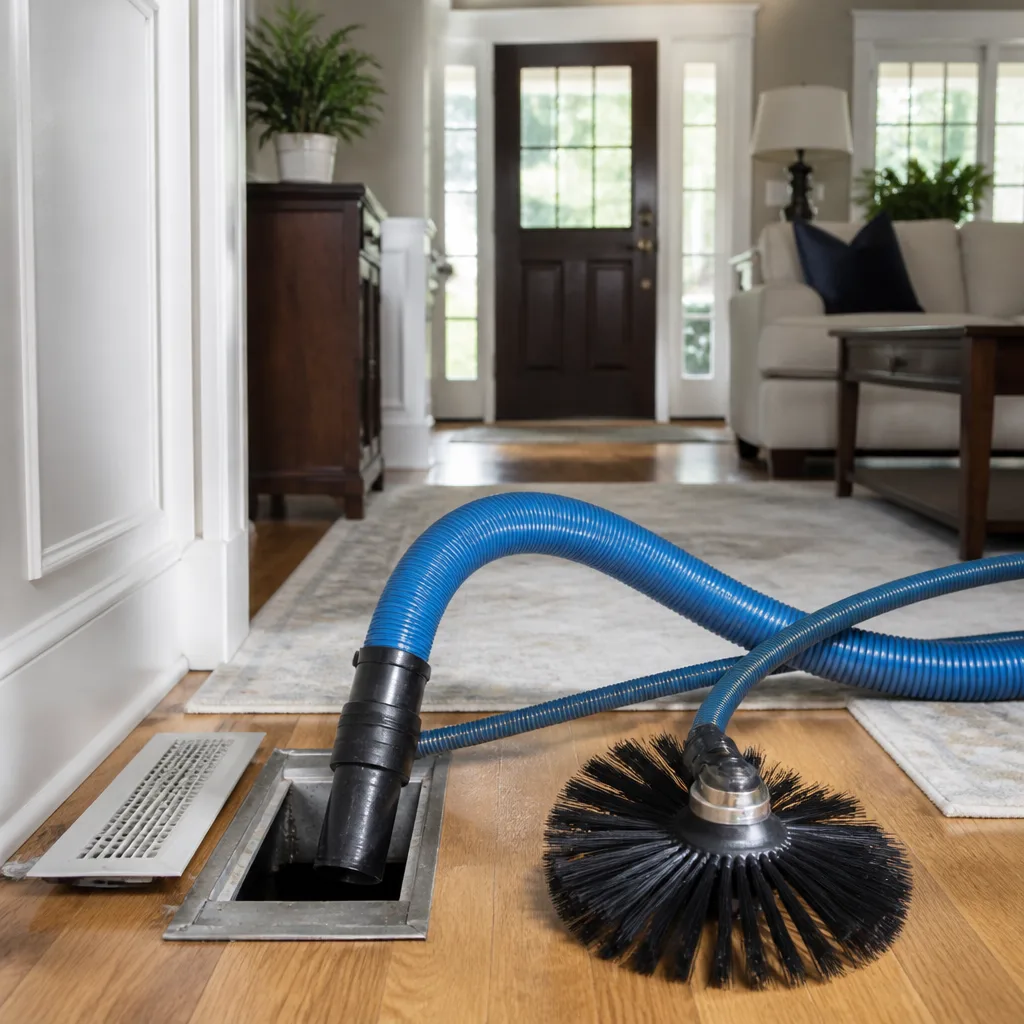 Whole-home duct cleaning
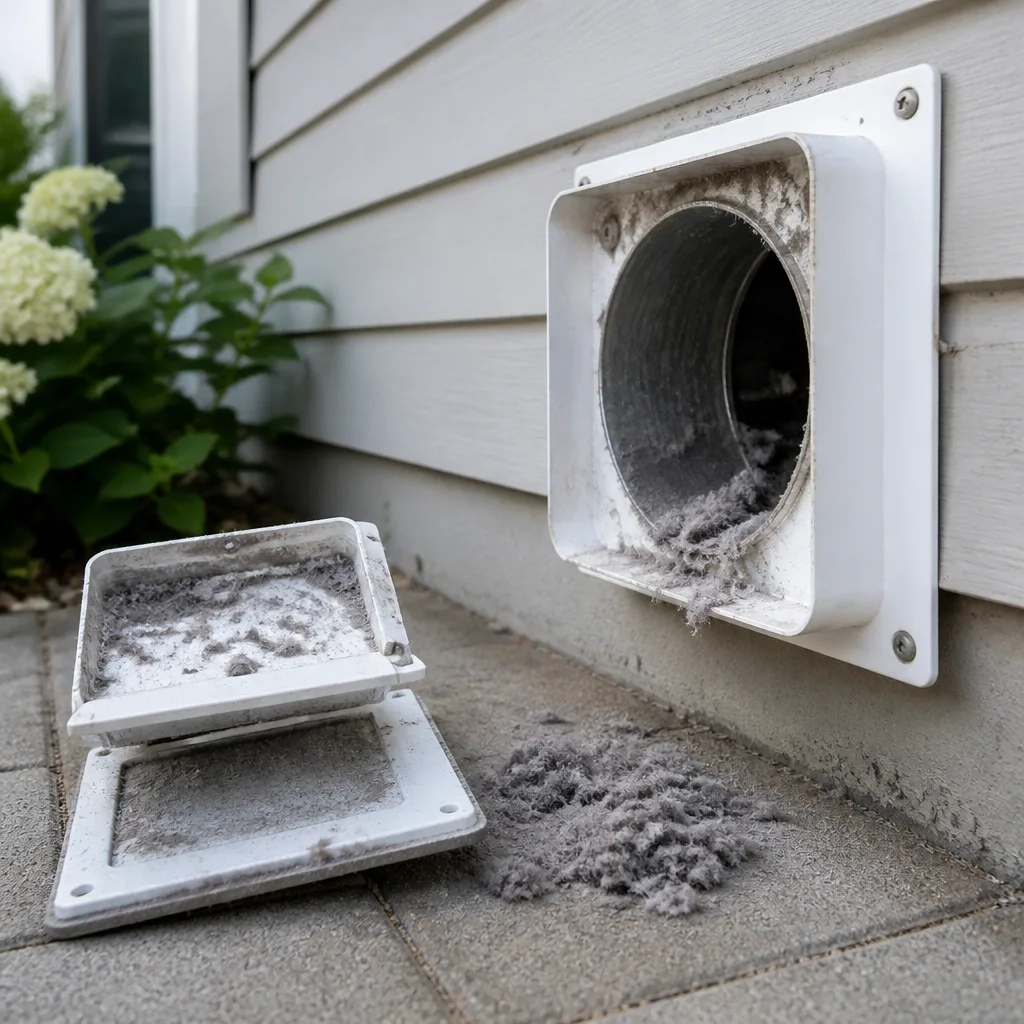 Dryer vent cleaning
 Camera inspection
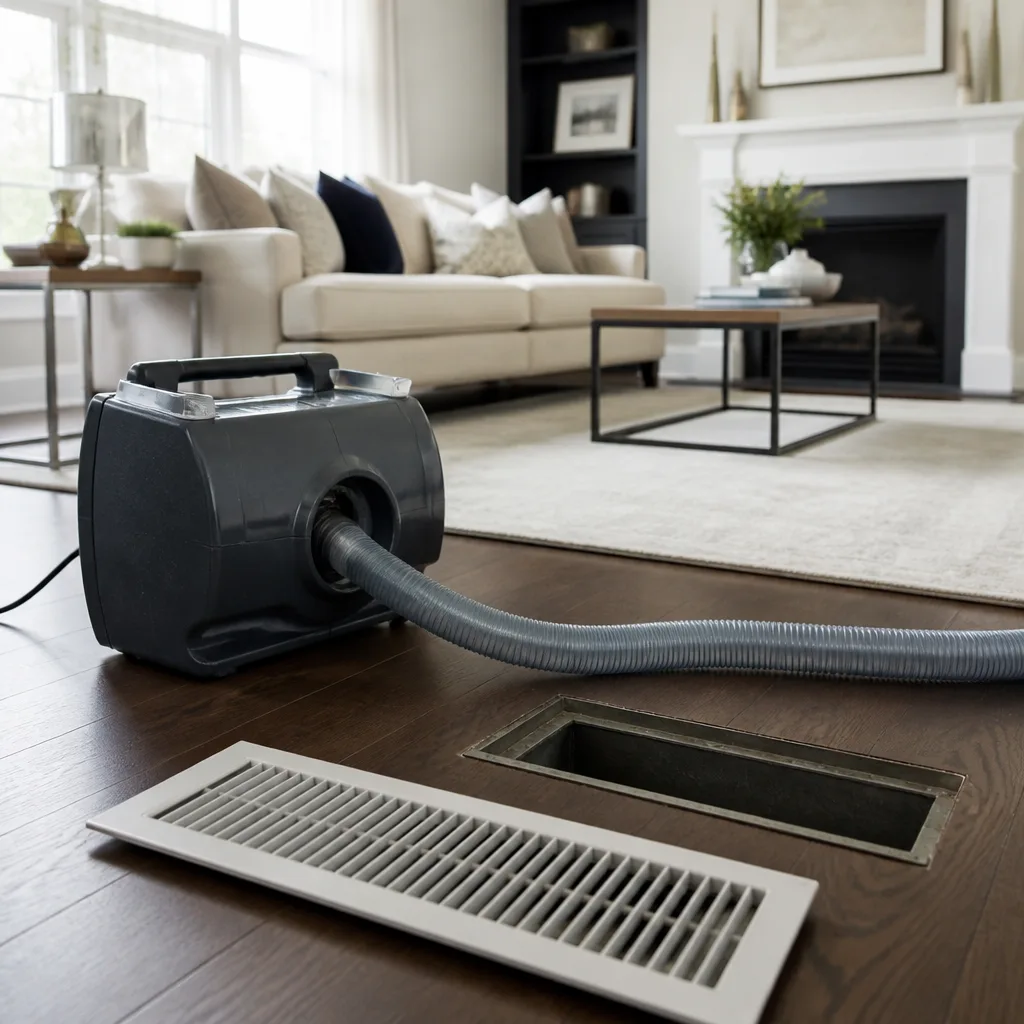 Sanitizing & deodorizing
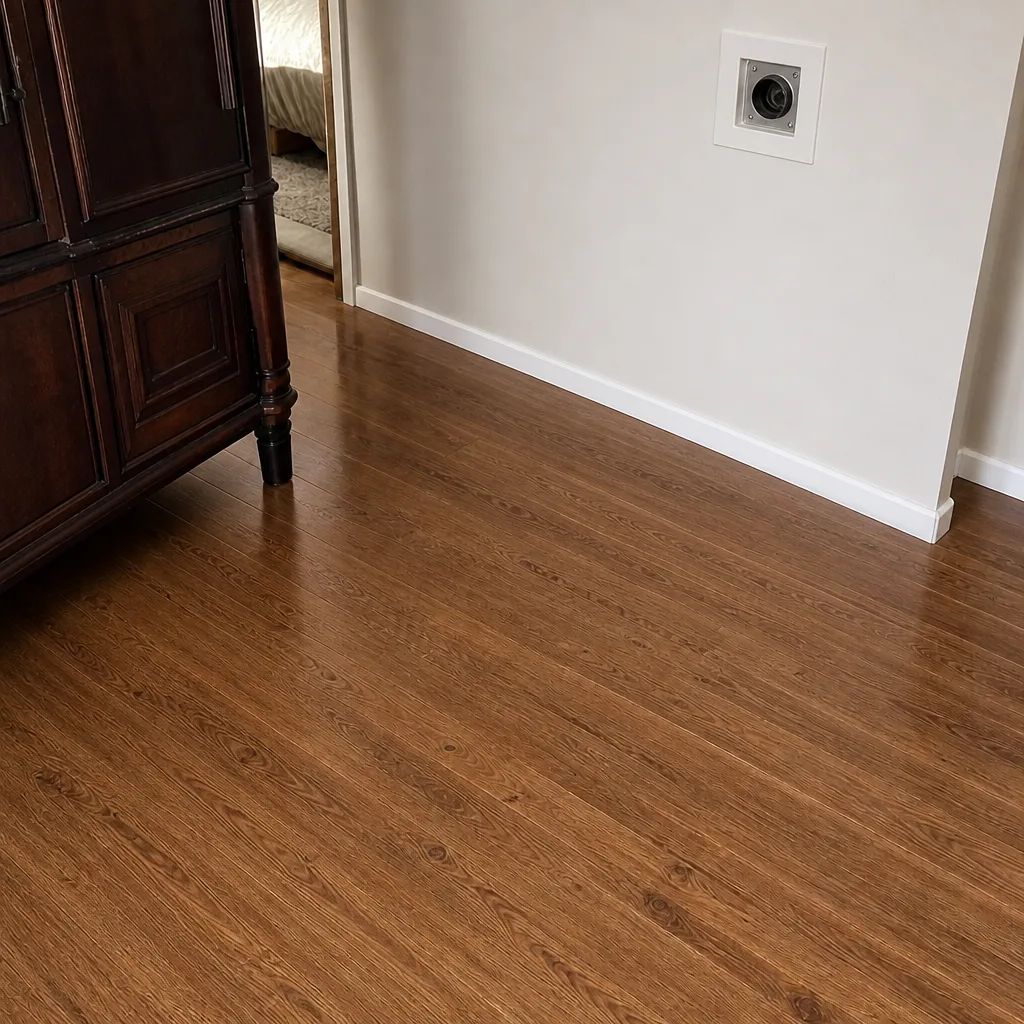
Whole-system duct and dryer vent check with before-and-after photos - you see exactly what came out of your vents
That "$99 whole-house special" is a bait ad - the real number appears once they are in your hallway, or the "clean" is a shop-vac at the register. We photograph the inside of your ducts before and after instead.
Air Duct Cleaning Warning Signs: A Reno Homeowner’s Reference Guide
A musty smell when the furnace kicks on usually isn’t your ducts asking to be cleaned. It’s more often a drain pan or an evaporator coil holding moisture somewhere downstream. But that same musty smell, appearing only at two or three registers and nowhere else, points to a contamination source sitting inside a specific stretch of duct run. The symptom looks identical from your couch. The cause and the fix are completely different. Reno homeowners get sold the wrong service every week because nobody taught them to read the difference. This guide walks through what each warning sign actually means, how to tell duct problems from HVAC equipment problems, and what to check yourself before anyone knocks on your door.
Quick Answer
The real warning signs of a dirty duct system are visible debris blowing from supply registers, debris concentrated at return grilles, odors tied to specific registers or to system startup, and visible moisture or mold at register faces. Symptoms that show up everywhere in the house at once usually trace back to HVAC equipment, not ductwork. If the problem is isolated to certain rooms or certain vents, the duct run is the likely source, and that’s worth investigating.
Styles & brands we work with
- Whole-home duct cleaning
- Dryer vent cleaning
- Camera inspection
- Sanitizing & deodorizing
Table of Contents
- Register Behavior Is Your Best Diagnostic Tool
- Visible Debris at Supply Versus Return Registers
- Odor Timing Patterns and What They Suggest
- What Visible Mold at a Register Face Actually Means
- What to Check Yourself Before Calling Anyone
- How Reno’s Climate and Housing Shape Duct Problems
- Dryer Vents: The Fire Risk Most Homeowners Overlook
- What to Ask a Contractor Before You Book
Register Behavior Is Your Best Diagnostic Tool
A register is a window into one segment of ductwork. There are typically a dozen or more supply registers in a Reno home and one or two large return grilles. Each one tells you something different. Learning to read them turns a vague “my air feels dirty” complaint into a description a technician can act on.
Here’s the key distinction. Supply registers push conditioned air out. Return grilles pull air back to the air handler. Contamination looks different at each.
- Debris at a single supply register: Suggests localized contamination in that branch run, or a leak in the duct serving that room pulling in attic or crawlspace air.
- Debris at every supply register: Suggests contamination at or near the air handler, or a return-side problem feeding the whole system.
- Debris at one return grille: Suggests dust loading in the return trunk, often from a filter that’s been bypassing or a gap between the filter frame and the ductwork.
- Weak airflow at one supply, normal at others: Usually a disconnected, crushed, or leaking branch duct, not a dirt problem.
- Weak airflow at every supply: Usually a blower, filter, or coil restriction, not a duct cleaning problem.
Write down which registers are affected and how many. That single piece of information often determines whether a cleaning is even the right call. In our experience across Reno neighborhoods, homeowners who’ve done this prep work end up with a more accurate estimate and a clearer scope than those who call blind.
Visible Debris at Supply Versus Return Registers
Both sides of your system can look dirty. What the debris tells you is different depending on which side you’re looking at.
What you’re seeing at the return grille
The return grille is the intake. It pulls household air, dust, pet hair, and whatever else is airborne back toward the air handler. A return grille that looks fuzzy or grey is showing you what the filter should have caught. If the filter is fresh and the grille keeps getting coated, the filter frame isn’t sealing properly, or a filter was run past its life and dust has already bypassed into the return duct. Return-side dust is the most common finding in Reno homes with wall-mounted filters under the return grille.
What you’re seeing at the supply register
Debris clinging to the supply side means contamination is downstream of the air handler, inside the branches feeding the rooms. This is often a sign of construction dust from a remodel, or of attic air being pulled into a leaking duct run. Reno has a lot of homes with ductwork running through unconditioned attic space. That attic sees extreme temperature swings and plenty of fine dust. A small disconnected joint can look harmless and still pump attic air into a bedroom every time the system runs.
The filter bypass test
Pull your filter and look at the frame it sits in. If you can see light around the edges of the filter when it’s installed, or if dust streaks are visible on the duct side of the frame, the filter is bypassing. Air is going around it, not through it. That single detail explains a lot of creeping debris at registers and is one of the first things a technician should check. Fixing the frame is a repair, not a cleaning, and it should be part of the conversation.
Odor Timing Patterns and What They Suggest
Odor is the most misread symptom in the trade. When the smell appears matters more than what it smells like. Here’s a quick decoder.
- Odor only on startup, fades after a few minutes: Most often the coil or drain pan drying out between cycles, or dust burning off a heat exchanger. Duct cleaning usually doesn’t fix this. A technician needs to look at the air handler.
- Odor every time the system runs, in every room: Suggests a system-wide source, usually the air handler or a contaminated return trunk. Cleaning the returns plus an air handler inspection is the sensible next step.
- Odor at one or two registers only: Suggests localized contamination in a branch run. This is where cleaning typically produces a real, noticeable change.
- Musty odor tied to humid weather or rain: Points at moisture intrusion somewhere in the duct path, possibly a disconnected run in a crawlspace or a leak near a register boot.
- Odor that smells like dead air or stale dust, only when the fan runs: Often a sign of an oversized or restricted return pulling air through gaps in the ductwork.
Timing narrows the diagnosis. A homeowner who says “musty smell in the kids’ room only, strongest in summer” has given a technician a cleaner problem than “smells weird sometimes.” In Reno, where summer afternoons push triple digits and the evaporator coil runs hard, moisture at the coil is a common culprit and easy to confuse with duct odor. Say what you smell, where, and when. That’s the standard, and it’s the only one that leads to the right service.
What Visible Mold at a Register Face Actually Means
Seeing mold at a register is alarming. It also doesn’t automatically mean the duct system is contaminated end to end, and it doesn’t always mean a remediation contractor needs to be called in.
Mold needs moisture to grow. In a duct system, that moisture has to come from somewhere. Common sources are:
- Condensation on a cold supply duct running through a hot attic, especially common in Reno’s temperature swings.
- A saturated drain pan or clogged condensate line letting water pool near the air handler.
- A duct run that passes through a damp crawlspace or under a leaking roof.
- High indoor humidity that the system isn’t controlling, sometimes a sign the air handler is oversized or the return is undersized.
What you’re seeing at the register face is usually the visible tip. The question is whether the mold is surface growth on the grille itself, or whether it’s spread into the duct lining. Grille surface mold sometimes comes off with the grille and a proper cleaning of the register boot. Duct lining involvement needs a different process, and it needs the moisture source fixed or it will come back.
The right first step is to identify the moisture source, not to book the largest cleaning package on the menu. Whole-home filtration and humidity control systems like Honeywell and Aprilaire are designed to hold indoor conditions in a range where this kind of growth stops. If your home has one of those systems, its filters, its humidity settings, and its maintenance history all matter to the diagnosis. A technician who understands how the ductwork connects to those systems will give you a more useful answer than one who only looks at the ducts in isolation.
What to Check Yourself Before Calling Anyone
Ten minutes of poking around your own house will get you a better estimate and a shorter service visit. Work through these in order.
- Walk every room and look at every supply register. Note which ones show visible dust, dark streaks, or debris. Count them.
- Look at the return grille (or grilles). Note whether the grille is fuzzier than the supplies, and how long ago the filter was changed.
- Pull the filter and inspect the frame. Look for light gaps around the edges and dust streaks on the duct side of the frame. That’s a bypass.
- Note odor timing. Does the smell appear at startup, run continuously, or come from specific rooms? Write it down.
- Look for moisture. Check around any register near a bathroom, laundry, or exterior wall for staining, bubbling paint, or visible growth. Check the air handler closet for a wet drain pan.
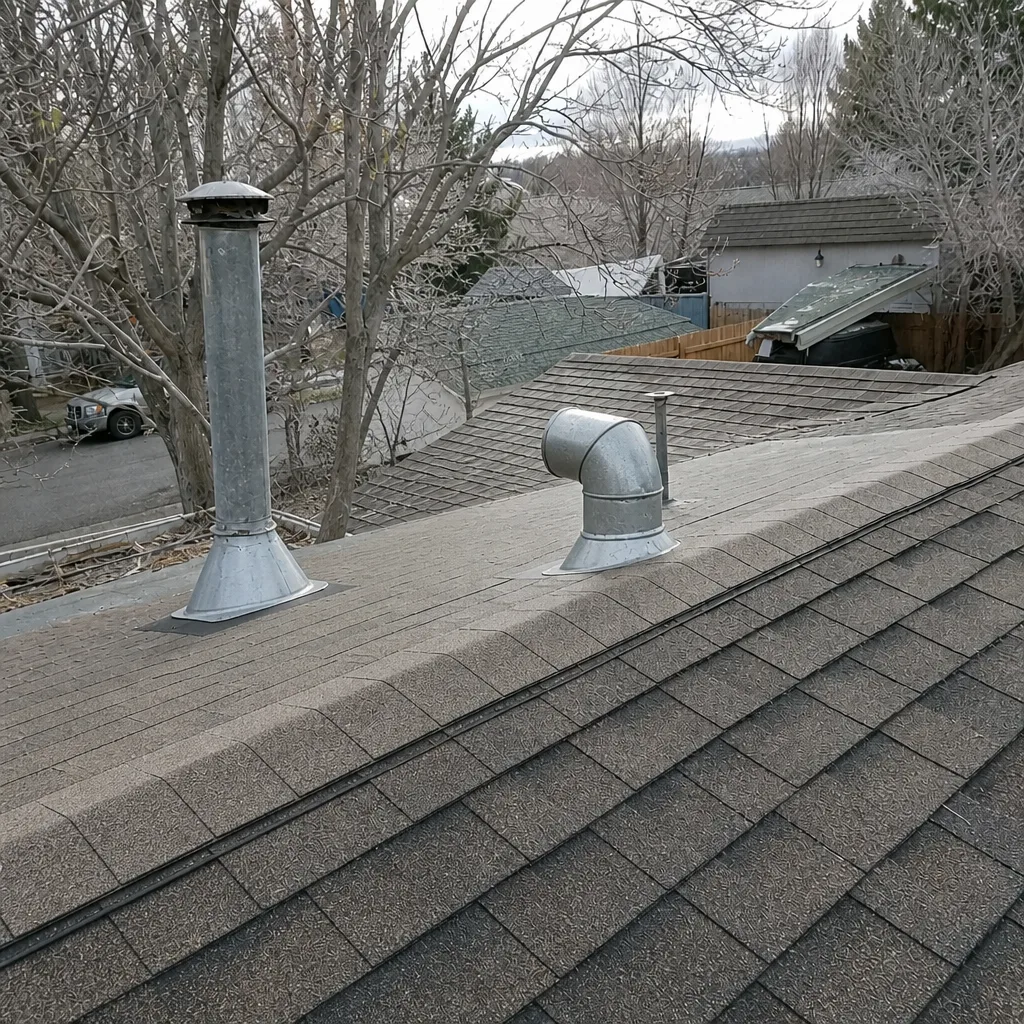
- Check the dryer vent. Pull the dryer out slightly and look at the vent behind it. Lint accumulation on the inside of the duct, a kinked or crushed flex line, or a vent flap that won’t open cleanly are all fire-risk indicators.
- Ask how long the system has run since the last cleaning. If a previous owner never cleaned the ducts and the home is older, that context matters.
You don’t need to open ductwork or take anything apart. You’re gathering evidence so the technician arrives with a scope instead of a guess. In our experience, homeowners who do this twenty-minute walkthrough get a more accurate estimate than those who ask “how much to clean the ducts” without describing anything.
How Reno’s Climate and Housing Shape Duct Problems
Reno sits in a high desert valley at roughly 4,500 feet, with cold winters and hot, dry summers. That combination puts real stress on duct systems and changes the warning signs a homeowner should watch for.
The dry air is good for one thing: moisture-driven mold growth is less common here than in humid climates. But that same dryness means dust and fine particulates stay airborne longer and travel farther through the system before they settle. If your ducts have never been cleaned and the house has been through a remodel, the amount of construction dust that can accumulate inside branch runs is worth knowing about.
The bigger local issue is where the ductwork lives. A lot of Reno housing stock has ducts in unconditioned attic space. Attics here see brutal temperature swings, hot enough in July to bake flex duct and cold enough in January to condense moisture on the cold side. Attic duct leaks pull in insulation fibers, dust, and whatever’s been sitting up there for years. Homes in older neighborhoods like Old Southwest, Wells Avenue, and Midtown often have original ductwork with disconnects and crushed runs that a cleaning alone won’t fix. Newer construction in the northwest and south valleys tends toward tighter duct systems but with filter frames that were installed quickly and bypass more than the homeowner realizes.
Smoke-season air quality is another variable worth knowing about. When wildfire smoke pushes into the Truckee Meadows, the house gets closed up and the system recirculates indoor air for weeks. A clean duct system with a properly sealed filter frame handles that better than one that’s pulling attic air through gaps.
Dryer Vents: The Fire Risk Most Homeowners Overlook
Dryer vent cleaning is a fire-safety service, not a low-effort add-on. Lint accumulation in the vent line is one of the most common causes of residential dryer fires, and the warning signs are quiet until they aren’t.
What to watch for:
- Clothes taking noticeably longer to dry, cycle after cycle.
- The dryer itself feeling hot to the touch on the top or sides during a cycle.
- A burning or scorched smell anywhere near the dryer.
- The exterior vent flap barely opening, or not opening at all when the dryer runs.
- Visible lint buildup on or around the vent hood outside, or a crushed flex line behind the dryer.
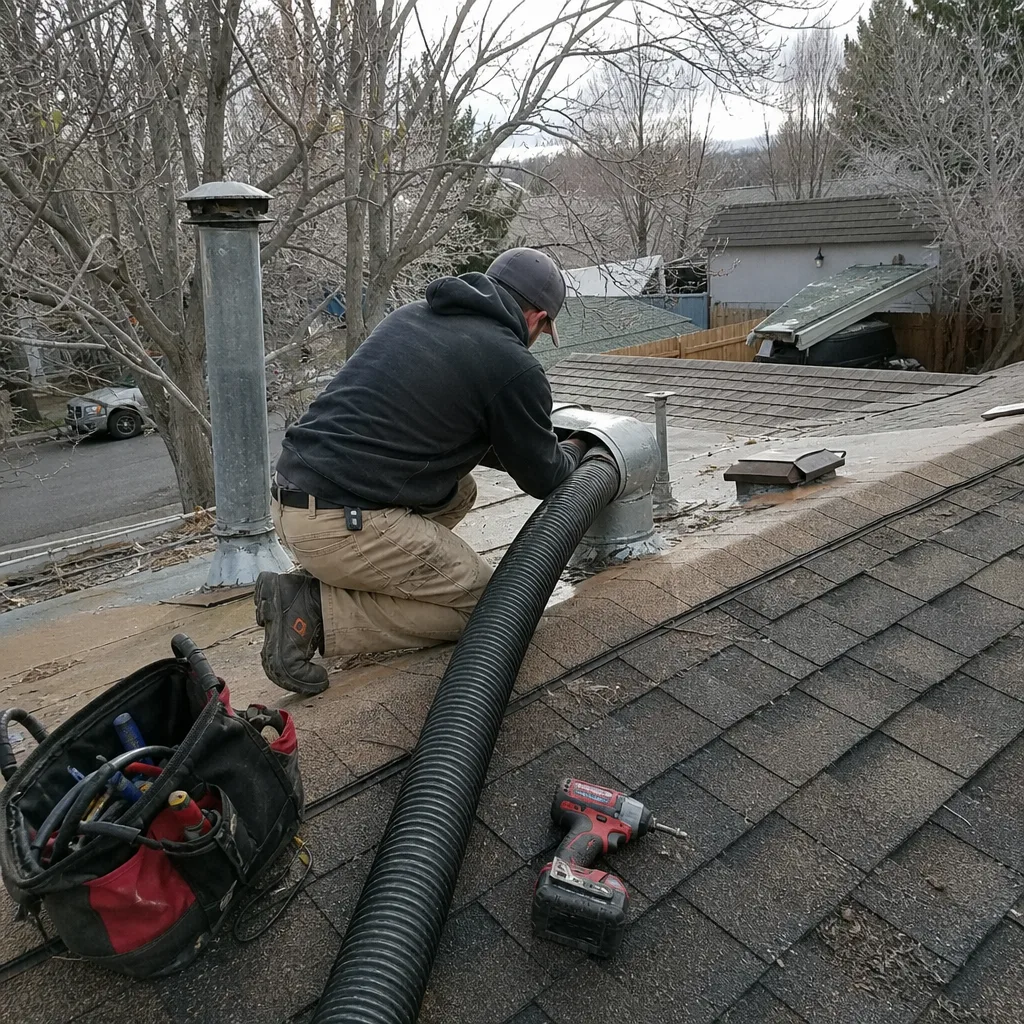
A proper vent cleaning clears the full length of the vent line, not just the section you can reach by hand. Full clearance matters because a partially cleared line still traps lint and still carries fire risk. This is a service every dryer owner should have done on a schedule, and it’s a separate appointment from duct cleaning. Duct Cleaning Reno treats dryer vent cleaning as its own fire-prevention service with the equipment and the clearance to do the job correctly, and we recommend asking specifically how the vent line will be cleared before you book it with anyone.
What to Ask a Contractor Before You Book
The duct cleaning industry has a well-earned reputation problem. Low teaser pricing that balloons on-site is the most common complaint. The homeowner’s defense is to ask a few specific questions before anyone shows up.
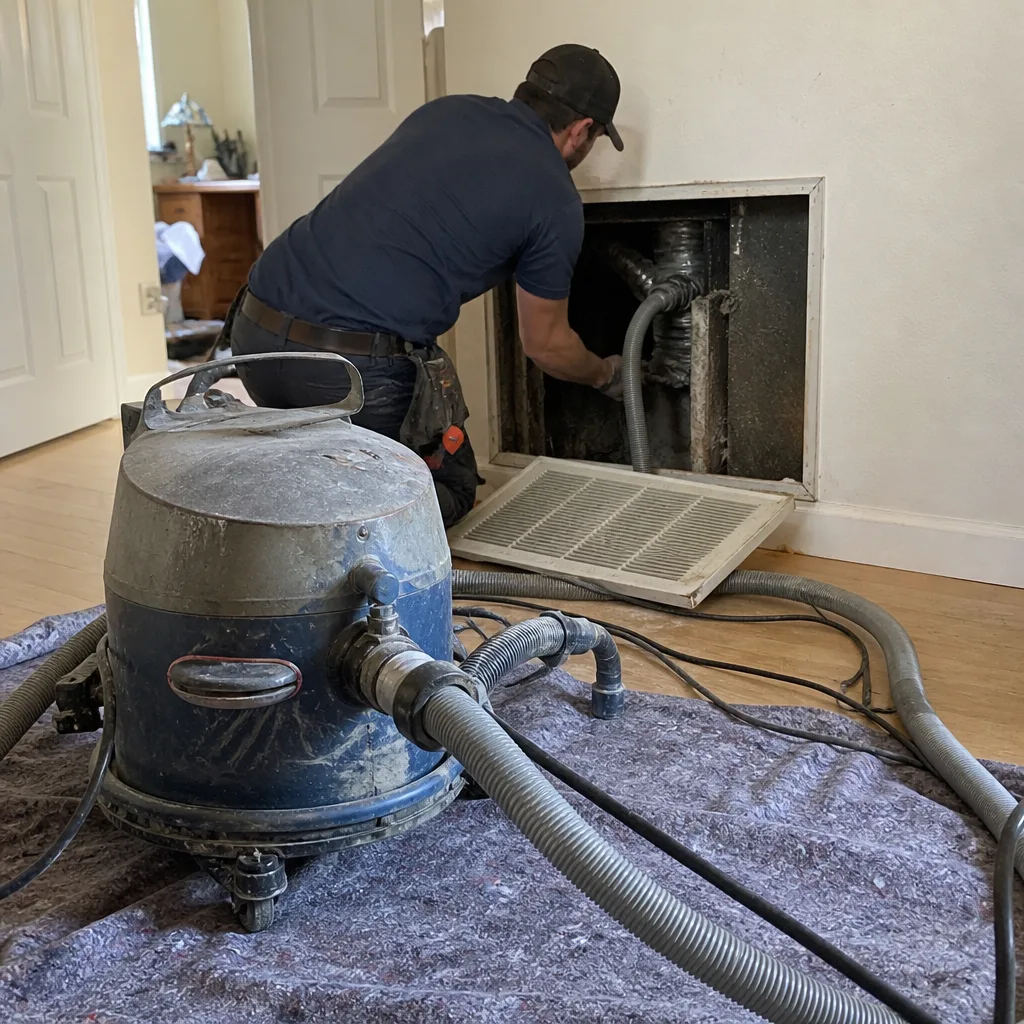
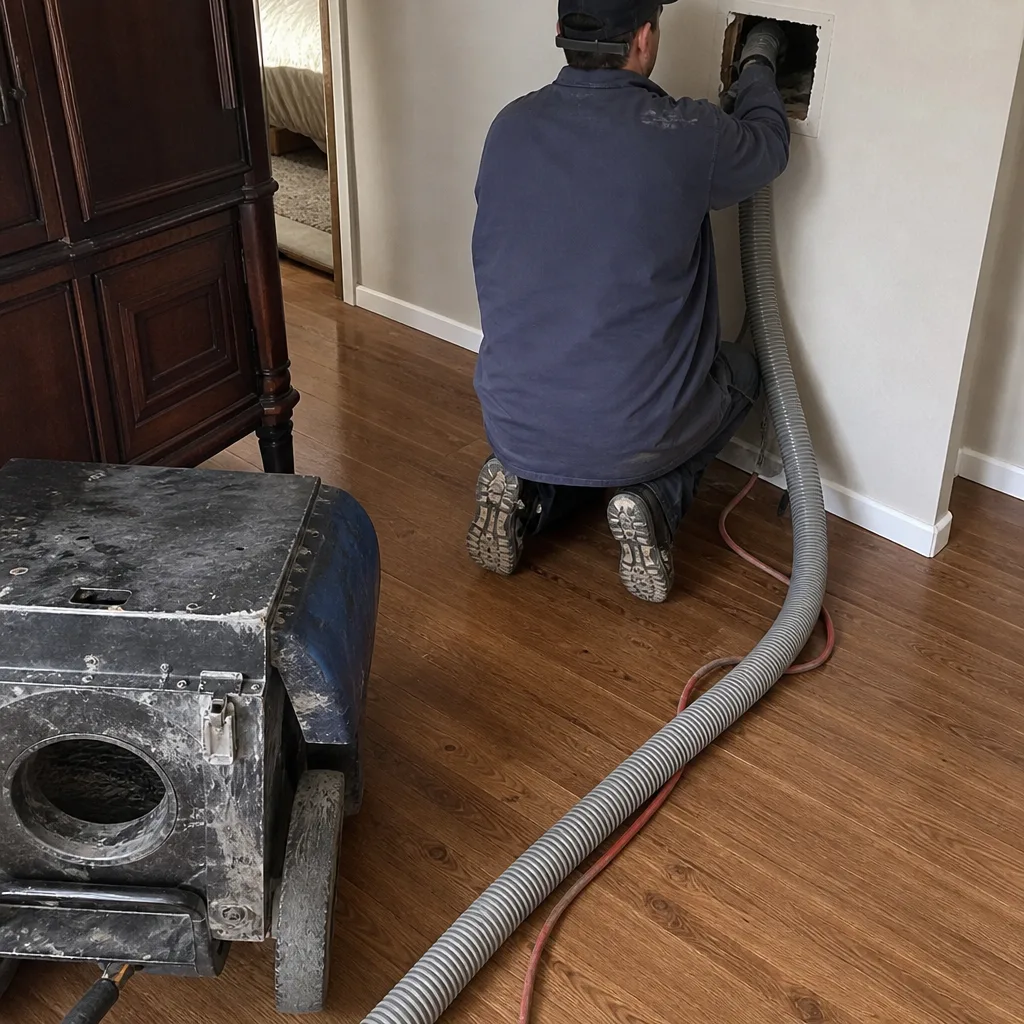
- What equipment will be used? Mechanical agitation with a brush system like Rotobrush actually dislodges caked-on debris from duct walls. Air sweeping alone pushes loose dust around. HEPA-rated vacuum extraction like Nikro captures the particles you can’t see, down to 0.3 microns. A contractor who can name their equipment and explain why it’s used is worth the call.
- How will containment work? Negative-air equipment, the same class of tooling used in commercial remediation, keeps contaminants from migrating into the living space during cleaning. The established names in that class are things like Abatement Technologies. Ask how containment is set up.
- Is the price per system or per vent? A per-vent price is the industry’s bait-and-switch format. A flat, whole-system price agreed before work starts, with the estimate in writing, is what you want.
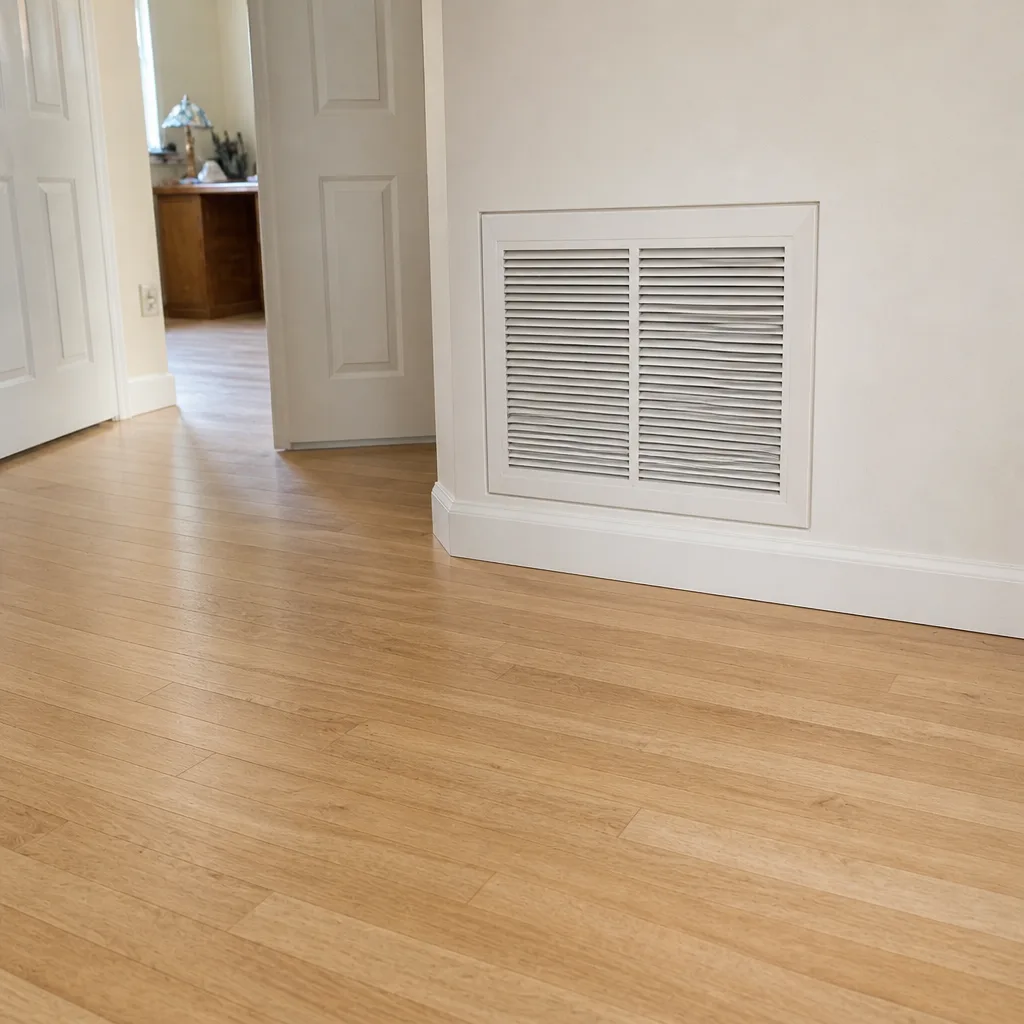
- Will I get before-and-after photos of my own ducts? Every legitimate contractor should be able to show you photographic evidence of what was removed.
- What happens if you find damage? If a technician finds a disconnected run, a crushed branch, or a mold issue in the duct lining, you want to know they can fix it during the same visit rather than flag it and leave. Air duct repair scoped into the original visit is a better outcome than a follow-up appointment weeks later.
- Is the work insured? Ask for licensing and insurance details in writing. A serious contractor won’t hesitate.
Our own process follows the standard we’d want applied to our houses: Rotobrush mechanical agitation first, Nikro HEPA extraction second, Abatement Technologies negative-air containment third, and a written estimate with a flat price per system before anyone starts. Our technicians have up to 15 years of experience working with residential and commercial duct systems, and they’ll tell you plainly if the problem you describe isn’t a duct issue. If you’re ready to compare your findings with a professional, air duct cleaning estimates from Duct Cleaning Reno are free, and we’d rather send you toward the right service than sell you the wrong one.
Common Mistakes to Avoid
- Assuming every smell means your ducts need cleaning. Most startup odors trace to the coil or drain pan. Booking a cleaning without checking the air handler wastes money and doesn’t solve the problem.
- Buying based on a coupon price. The lowest advertised number in Reno often isn’t the number on the final invoice. A written estimate with a flat price per system is the honest answer; a per-vent teaser isn’t.
- Skipping the filter frame inspection. If the filter is bypassing, a cleaning will buy you a few months at most. Fix the frame and the ducts stay cleaner.
- Treating mold at a register as a cleaning problem. It’s a moisture problem first. Cleaning without finding the source just gives the growth a fresh start on clean duct lining.
- Ignoring the dryer vent because it “still works.” Clothes taking longer to dry is the earliest and quietest fire-risk warning. Don’t wait for the scorched smell.
- Believing a cleaning fixes weak airflow in one room. That’s usually a disconnected or crushed branch duct, which is a repair, not a cleaning. Ask any contractor whether they can repair ductwork before you book.
- Not writing down which registers are affected. Vague complaints lead to vague scopes. A short list of symptoms makes the estimate more accurate and cheaper to deliver.
See the difference
 Before
 After
 Before
 After
 Before
 After
When to Call a Professional
Call a professional when debris is visible at multiple supply registers and it returns after a filter change, when a musty odor is tied to specific rooms and won’t clear, when you can see staining or growth at a register face, when your dryer is taking longer to dry clothes cycle after cycle, or when a technician needs to look at duct runs you can’t reach (attic, crawlspace, wall cavities). Those are the cases where the problem is genuinely inside the duct system and worth a proper inspection. Duct Cleaning Reno offers free estimates in Reno. Call (866) 361-7643. We answer 24/7. Fast dispatch from 7am to 7pm, Sunday through Friday.
Frequently Asked Questions
Visible debris blowing from multiple supply registers, debris concentrated at a return grille that keeps returning after a filter change, and musty odors tied to specific rooms are the most reliable signs. Symptoms that show up everywhere in the house at once usually point to HVAC equipment, not ductwork. Call (866) 361-7643 for an exact quote on your specific situation if you’re not sure which side of the line you’re on.
Typical air duct cleaning estimates in the Reno area run anywhere from a few hundred dollars for a single-system home to over a thousand dollars for larger homes with multiple systems, attic runs, and heavy contamination. The final price is set per job by the written estimate, and estimates from us are free. Be cautious of any quote that’s a per-vent teaser; call (866) 361-7643 for an honest flat price agreed before work starts.
Low quotes almost always reflect a smaller scope: air-sweep only, no containment, no repair capability, and a price that grows once the technician is on-site. A quote that lists a flat price per system, names the equipment used, includes containment, and shows before-and-after photos reflects what’s actually involved. If you’re comparing quotes, call (866) 361-7643 and ask what’s included; we’ll walk through it.
Before-and-after photos of your own ducts are the standard evidence, and any legitimate contractor should offer them without being asked. A cleaning that produces no visible change in photos, or one that’s done without containment equipment, is worth questioning. Call (866) 361-7643 if you’d like to know what to ask for, even from another contractor.
Most homes don’t need a scheduled cleaning; it’s a response to a condition, not a calendar item. Remodel dust, visible contamination at registers, mold at a register face, and a filter frame that’s been bypassing for years are all common triggers. Homes with pets, allergy-sensitive residents, or recent construction tend to need it more often than others. Call (866) 361-7643 and we’ll tell you honestly whether you’re due.
It’s a moisture problem first and a repair problem second. Mold needs moisture, so finding and fixing the source (a wet drain pan, a leaking supply duct in a hot attic, a damp crawlspace run) comes before cleaning makes sense. Once the source is fixed, cleaning the affected run is usually the right next step. Call (866) 361-7643 to talk through your situation.
The Bottom Line
Not every dirty-air complaint is a duct cleaning problem, and not every duct cleaning problem is a cleaning job alone. Learn to read your registers, note odor timing, and check your filter frame before you call. If symptoms are localized to specific rooms or vents, the duct run is the likely source. If they’re system-wide, the air handler is usually the cause. When a real duct issue turns up, ask what equipment will be used, whether the price is per system, and whether the contractor can repair what they find. And if you’re ready for a real diagnosis, call Duct Cleaning Reno at (866) 361-7643 for a free estimate. We answer 24/7. Fast dispatch from 7am to 7pm, Sunday through Friday. If you’re in Reno and want to see how we approach duct cleaning in Reno, plus what we do for homes across Reno, we’d be glad to walk you through it. For more on our process, visit our air duct cleaning service page.
Written by the team at Duct Cleaning Reno.