
Last updated November 15, 2026
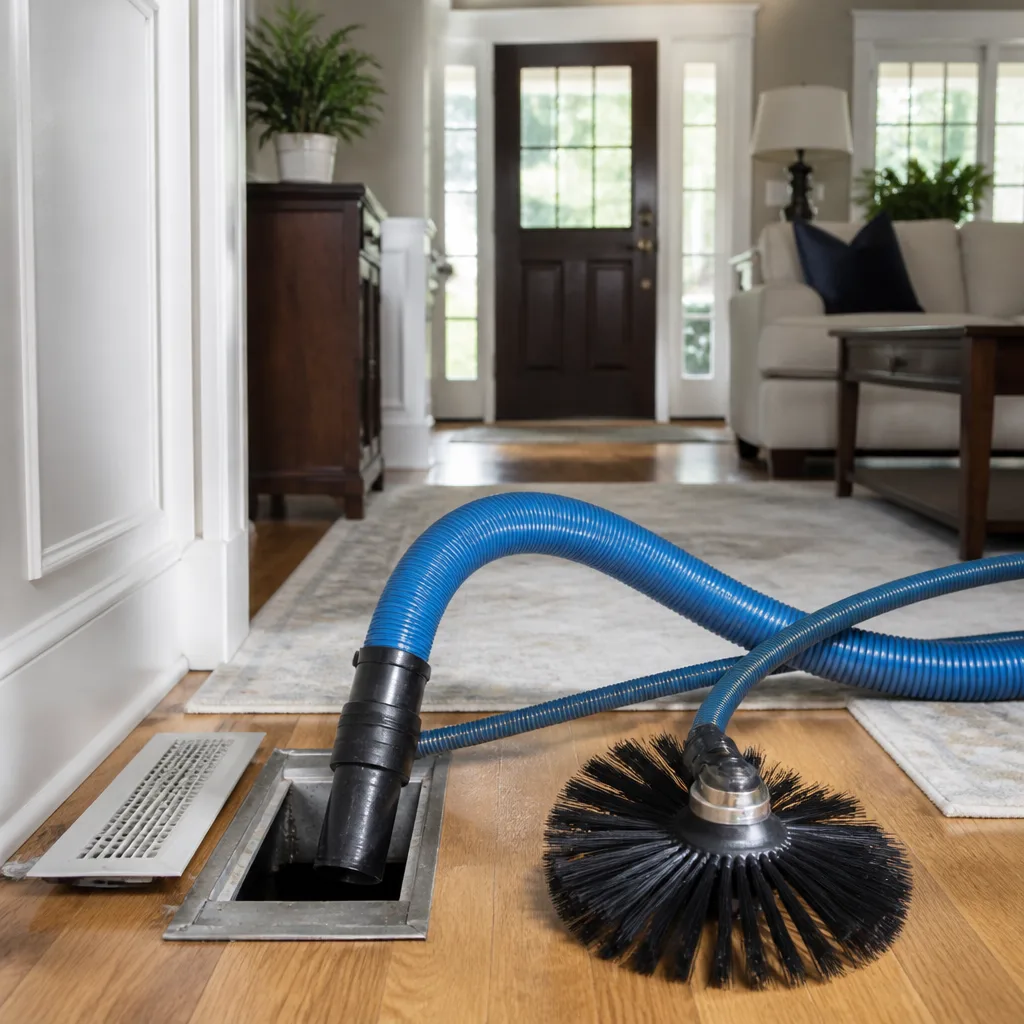 Whole-home duct cleaning
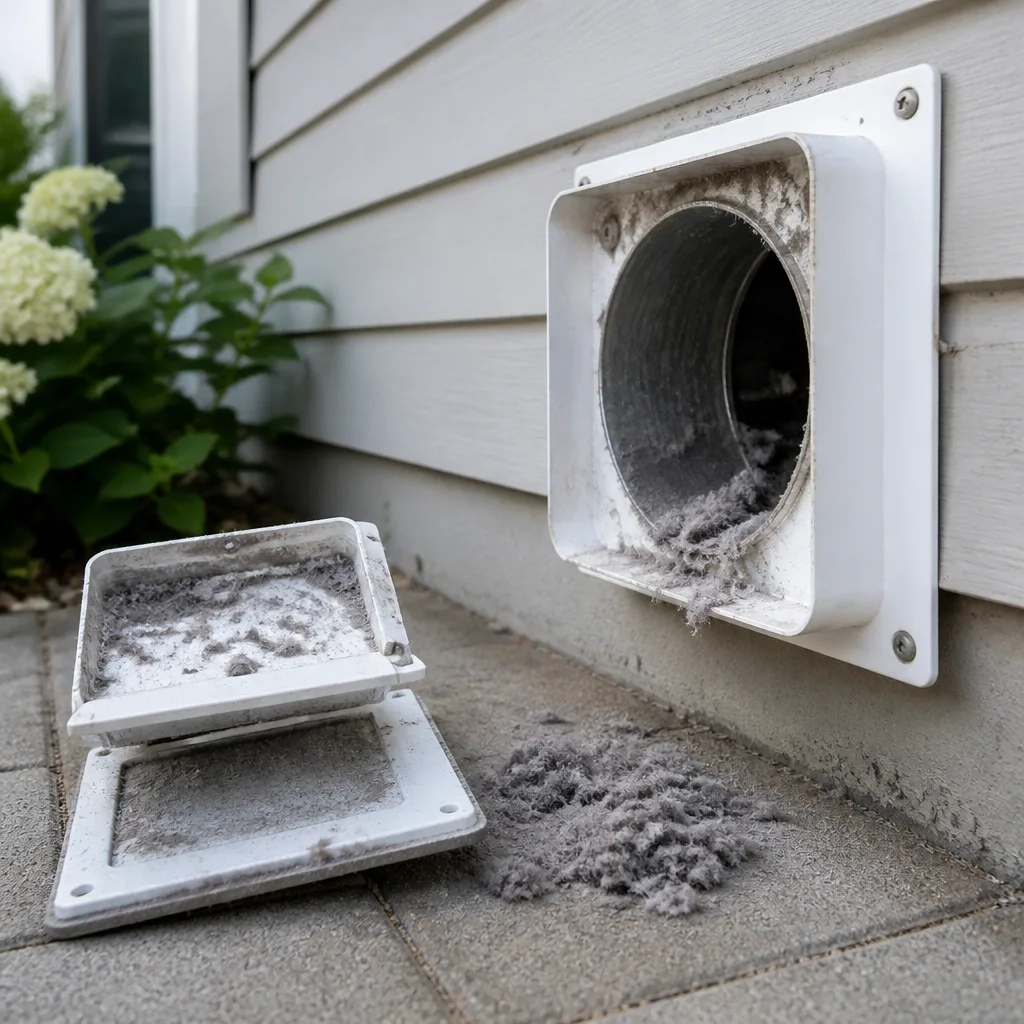 Dryer vent cleaning
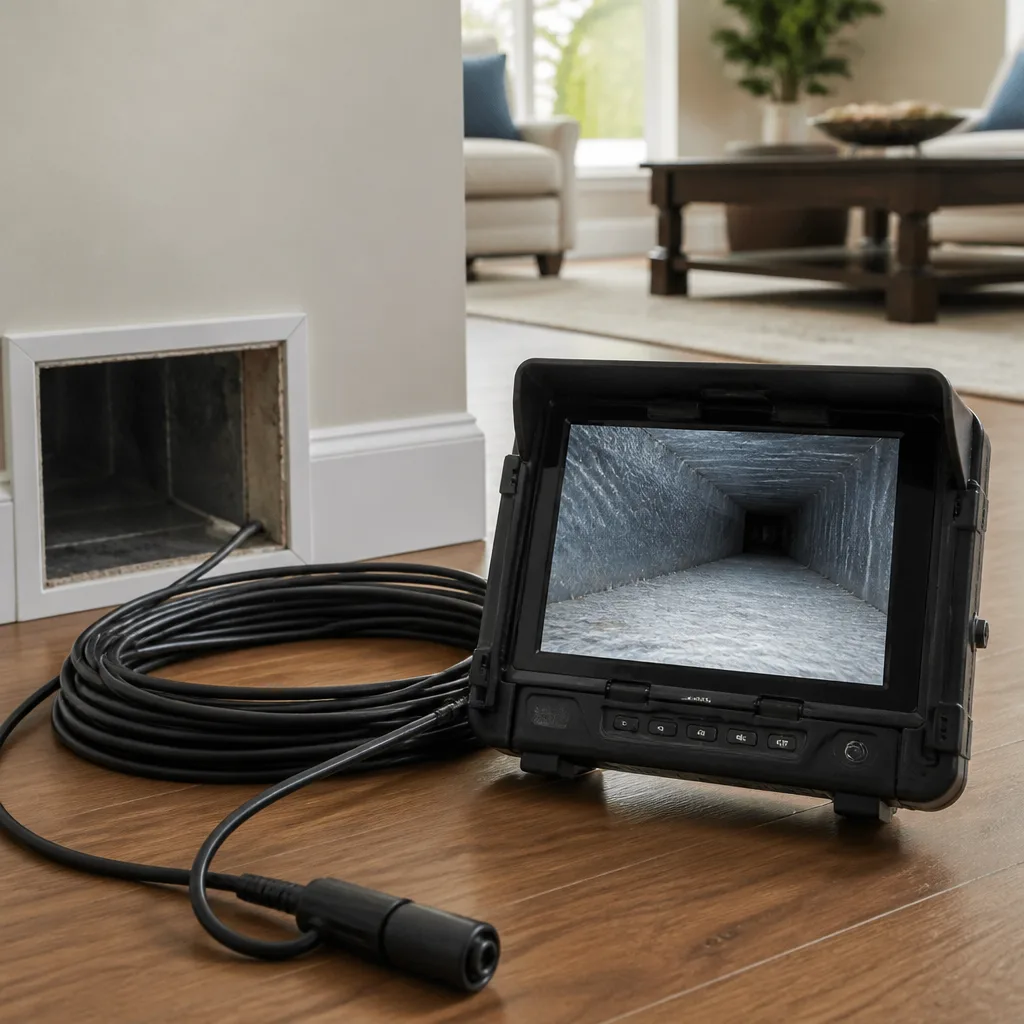 Camera inspection
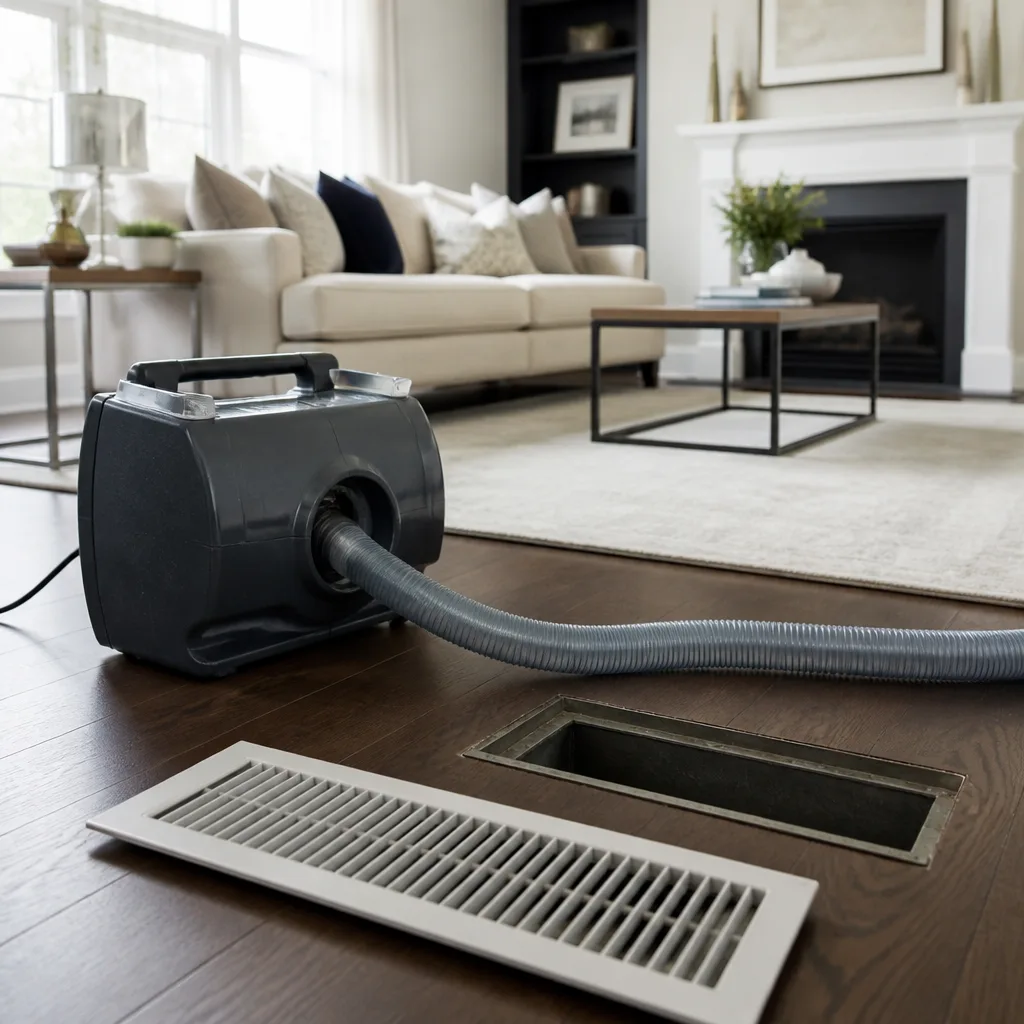 Sanitizing & deodorizing
Whole-system duct and dryer vent check with before-and-after photos - you see exactly what came out of your vents
That "$99 whole-house special" is a bait ad - the real number appears once they are in your hallway, or the "clean" is a shop-vac at the register. We photograph the inside of your ducts before and after instead.
Choosing the Right Air Duct Cleaning Brand: A Buyer’s Guide for Reno
Most homeowners assume the duct cleaning decision comes down to which name they recognize, the way choosing an HVAC brand or a plumbing outfit often does. That logic doesn’t hold here. Reno has no dominant national franchise duct cleaning brand the way other trades do. What you’re choosing between is a set of small operations with wildly different equipment, wildly different process documentation, and wildly different willingness to actually fix what they find. A logo won’t tell you which is which. The equipment list will. The way a company explains its process will. Whether they document their work before and after will.
This guide teaches you how to read those signals. By the end you’ll know how to compare equipment claims, how to interpret before-and-after photos, how to mine reviews for real process detail, and how to ask questions that separate a real operator from an air-whip-and-a-shop-vac operation wearing a professional-looking website.
Quick Answer
Choosing the right air duct cleaning brand in Reno comes down to verifying three things: whether the company uses genuine mechanical agitation equipment (like Rotobrush) paired with HEPA-rated extraction (like Nikro), whether they offer air duct repair in-house or just flag problems and leave, and whether they document their work with real before-and-after photos of your own system. A brand name on a truck means less than the equipment list and the process they can explain. Ask each company to describe its tools and containment method before you compare quotes.
Styles & brands we work with
- Whole-home duct cleaning
- Dryer vent cleaning
- Camera inspection
- Sanitizing & deodorizing
Table of Contents
- Why Reno’s Duct Cleaning Market Has No Brand-Name Leader
- How to Evaluate Equipment Claims: Rotobrush, Nikro, and the Rest
- Negative-Air Containment and Why It Matters
- Why a Repair-Capable Operator Is Structurally Different
- What Credible Before-and-After Documentation Looks Like
- Reading Reviews Like a Contractor, Not a Shopper
- Questions That Reveal Reno-Specific Knowledge
- Dryer Vent Cleaning: The Separate Fire-Safety Question
Why Reno’s Duct Cleaning Market Has No Brand-Name Leader
In HVAC and plumbing, homeowners can lean on franchise recognition. The brand carries its own reputation, its own training program, its own fear of a bad review moving the needle nationally. Duct cleaning in Reno doesn’t work that way. The market is fragmented across small operators, general handyman services that tack ducts onto a menu, and HVAC companies that offer duct cleaning as an add-on to a furnace tune. Each of those has a different relationship to the discipline.
That fragmentation cuts both ways. It means there’s less standardization, less of a shared bar for what counts as “done,” and more room for a low-bid operator to define the job by whatever takes the least time. It also means the good operators are more visible once you know what to look for, because they can’t hide behind a franchise name. The differentiation is built directly into equipment choices and process documentation.
Our own observation working in Reno: the companies worth hiring tend to talk about tools and sequence before they talk about price. The ones worth avoiding lead with a number and get vague when you ask what equipment arrives. Brand recognition is a shortcut to trust that doesn’t work in this trade. Equipment recognition is the real shortcut.
There’s also a housing angle specific to Reno. The metro spans older mid-century homes in neighborhoods like Wells Avenue and Old Southwest, mid-era builds across South Reno and Sparks, and newer construction out toward Spanish Springs and the North Valleys. Each of those housing generations tends toward different duct designs and materials. A company that has worked across all of them knows the repair realities of each. A company applying a national playbook won’t notice the difference until they’re already on site.
Reno’s high-desert setting adds another wrinkle. Dry air and temperature swings through the year, plus the fine particulate that drifts into the valley during regional smoke and dust events, all shape how much debris builds inside ductwork and how visible it becomes at the vents. That’s not a reason to clean more often than the industry standard suggests, but it is a reason the timing of a cleaning job in Reno can matter more than it might in a humid climate where buildup looks different.
How to Evaluate Equipment Claims: Rotobrush, Nikro, and the Rest
The single most useful thing you can learn as a Reno homeowner is the difference between equipment that agitates debris and equipment that just moves air around it. Most low-bid operators use compressed-air whips or simple vacuums connected to a shop-vac line. Those tools disrupt the surface layer of dust and pull some of it out, but they don’t dislodge the caked material attached to duct walls. It’s the equivalent of hosing down a floor without scrubbing it.
Genuine duct cleaning requires two things working together: mechanical agitation to break debris loose from the duct surface, and high-filtration extraction to capture what comes free. Here’s how the standard equipment categories compare.
- Rotobrush: A mechanical brush system with a rotating head that physically scrubs the interior of the duct. This is the industry-standard agitation tool. When a company lists Rotobrush, ask how it’s used (brush size, sequence, coverage) because the brand alone doesn’t guarantee the process.
- Nikro HEPA-rated vacuums: Capture equipment rated to trap particles down to 0.3 microns. This is the extraction side. HEPA-rated matters because anything smaller than that is the stuff you’d rather not have floating through the house during the job.
- Air whips and compressed-air tools: Common in low-bid operations. They can be useful as a supplement, but they’re not a substitute for agitation. If this is the only tool in the truck, it’s not a full cleaning.
- Abatement Technologies negative-air units: Used in the commercial remediation and mold abatement space. They create negative pressure inside the work zone to keep contaminants from migrating into living space during cleaning.
The pattern worth noticing: the operators with the strongest process use equipment drawn from the commercial remediation world, not the household cleaning aisle. Rotobrush and Abatement Technologies specifically come out of environments where leaving contamination behind is a serious problem, not an aesthetic one. In our view that’s the right standard for a home too, especially in a Reno house where forced-air heating is moving that air through rooms all winter.
Ask each company to name the make and model of their agitation tool, their extraction vacuum, and their containment approach. A credible operator answers without hesitation. An operator who deflects or describes only “high-powered vacuums” is telling you what you need to know.
Negative-Air Containment and Why It Matters
Here’s an uncomfortable fact about duct cleaning: without containment, the act of cleaning can make indoor air worse before it makes it better. As brushes break debris loose and vacuums pull it through the system, the air pressure inside the house changes. Without a plan to manage that pressure, fine particles can escape through joints, register gaps, and any leaks in the duct run.
Negative-air containment solves this. Abatement Technologies units are the class of equipment used in mold and asbestos abatement specifically because they can seal a work zone and keep the area under controlled pressure. When a duct cleaning company deploys them, the contaminants that come loose get pulled into the extraction system instead of into the room.
Three questions reveal whether a company actually uses containment or just claims to:
- What equipment do you use to maintain negative pressure during the job? (Vague answer: “We use powerful vacuums.” Specific answer: an equipment name and a setup description.)
- Where does the containment unit sit during cleaning, and how do you seal the registers?
- What happens to the air in the room while you’re working? (If the answer doesn’t mention pressure or filtration, that’s a signal.)
In Reno, this matters more than in a humid climate because of how house air circulates during the heating season. Forced-air systems run hard through the winter. Any contamination released during cleaning enters that same circulation. Containment isn’t a luxury line item. It’s the difference between removing contaminants and redistributing them.
Why a Repair-Capable Operator Is Structurally Different
Cleaning-only duct companies and repair-capable operators are fundamentally different businesses, and the difference shows up the moment a real problem surfaces. Every duct cleaning job involves someone looking inside the duct run. What they do when they see damage separates the operators you want from the ones you don’t.
A cleaning-only operator has one move: clean around it and note it. Loose joints, disconnected flex runs, crushed sections, damaged plenum connections, gaps at the registers that leak conditioned air into wall cavities – those get flagged in a report and sent back to you as “you should have someone look at this.” That’s not malicious. It’s structural. The business isn’t set up to fix what it finds, so it can’t.
A repair-capable operator runs the same inspection, sees the same problem, and repairs it in the same visit. This matters for two reasons. First, it removes the contractor handoff where problems get lost between jobs. Second, it addresses the root cause of the contamination you’re paying to clean. If air is bypassing filters through a gap at the plenum, or if a disconnected run in a Reno attic is pulling debris in from outside the conditioned envelope, cleaning alone is a temporary fix. The same contamination returns as soon as the system runs again.
Ask each company one question: “If you find damaged ductwork during cleaning, what’s the next step?” A cleaning-only shop will describe a referral. A repair-capable operator will describe a repair. That’s the whole test.
The systems context matters too. Homes in Reno with whole-home air quality setups from Honeywell or Aprilaire tend to have interconnected ductwork and filtration or humidity components. A company that knows those systems understands how the ducts connect to the filtration path and where repairs would interrupt it. That’s a small thing on a clean job. It becomes a big thing when a filter housing or a bypass connection needs attention. We work with both brands and factor them into how we sequence the cleaning and any repair.
What Credible Before-and-After Documentation Looks Like
Every duct cleaning company will tell you they do good work. The proof is photograph-based, and it’s specific. Credible documentation shows the actual ducts in the actual house, before cleaning and after, with enough context to tell they’re the same system.
Here’s what separates real documentation from marketing material:
- Real photos of your ducts: Taken at identifiable points in the system – supply runs, return runs, plenum, register boots. Not stock photos of clean ducts downloaded to the company’s website.
- Matching angles before and after: So you can confirm the same section was photographed both times. Any two photos of any two ducts don’t prove anything.
- Visible change on the duct surface: Debris gone from the interior walls, register boots clear, plenum visibly different from earlier.
- A walkthrough after the job: A technician who shows you the photos on a tablet or phone at the end of the job, points out anything found and repaired, and answers questions about what changed.
- Photos shared with you, not just used on a website: You should leave with the images or have them sent to you, not just see them briefly.
Stock photos are easy to spot once you’re looking. A photo of a perfectly clean duct on a company’s homepage might be from anywhere. When a company hands you before-and-after photos of your own system, that’s the documentation standard. Ask in advance whether photos are provided at the end of the job. It’s a fair question and a quick filter.
In Reno specifically, we’ve seen a lot of marketing material drawn from generic imagery that has nothing to do with the housing stock here. It doesn’t mean the company is bad, but it does mean you can’t use their website to judge their work. Ask for the photos of your actual job.
Reading Reviews Like a Contractor, Not a Shopper
Reviews are useful, but not the way most shoppers use them. Star-counts tell you very little about whether a duct cleaning company knows what it’s doing. What’s inside the reviews – especially the specific detail in the text – tells you a lot.
Here’s what to look for when reading reviews of any duct cleaning company in Reno:
- Process detail in the review: A reviewer who mentions the technician showing before-and-after photos, or explaining the containment setup, or naming the equipment. These are signs the reviewer was paying attention to the process. Generic “great service, would recommend” tells you almost nothing.
- Repair mentions: Reviews that describe a problem found and fixed in the same visit are worth more than reviews that describe a problem referred elsewhere. They’re rare and they’re proof.
- Time and outcome detail: “They were here three hours and my vents look different” tells you about depth of work. “They were in and out in forty-five minutes” tells you the opposite, regardless of the star rating.
- Pattern consistency: One glowing detailed review with a dozen vague five-star reviews around it is less meaningful than a steady stream of moderately specific ones.
- Response quality to negative reviews: How the company responds to a complaint matters. A thoughtful response that names a specific fix or offers to inspect is a better sign than a defensive reaction.
Reviews also reveal whether the company treats the job as a fire-safety concern when dryer vents are involved, or tacks dryer vent cleaning on as an add-on without describing clearance of the full vent line. That distinction is worth reading for. Lint buildup in the dryer vent line is a leading cause of home dryer fires, and a company that treats the vent clean as a quick shop-vac pass at the outlet is not solving the problem.
The bigger point: reviews are filtered through the reviewer’s knowledge. A shopper who doesn’t know what Rotobrush is won’t mention it. A shopper who’s done their homework will. Skim for reviews that sound like they were written by someone who knew what to look for. Those are the ones worth taking seriously.
Questions That Reveal Reno-Specific Knowledge
Any company can recite a script. The questions that separate a company with real local experience from one applying a national playbook are the ones about local context: housing, climate, geography. Here are the questions to ask, and what the answers should tell you.
- “How does Reno’s dry climate and winter heating season affect duct debris buildup?” A company that’s worked here long enough has an opinion. Airborne particulate during the drought months and the pattern of heavy forced-air use through cold months are both real factors. A national-script answer will be vague.
- “What duct systems do you typically see in older homes near Wells Avenue or Old Southwest versus newer Spanish Springs construction?” Housing generation matters. Older homes tend to have different duct materials and insulation; newer subdivisions tend to have tighter, often flex-heavy systems. A company familiar with Reno housing can describe both.
- “How do you handle ductwork in Reno attics during summer cleaning?” Attics here get hot, and the technicians know it. A company without local experience doesn’t think about the working conditions of the job in this climate.
- “What’s your read on how regional smoke and dust events affect indoor duct debris?” A Reno operator knows that regional air quality events leave their mark inside a forced-air system. The answer tells you whether the company thinks about the local environment or treats every duct cleaning job the same.
- “Do you understand how Honeywell or Aprilaire whole-home air systems integrate with the ductwork?” If yes, you’re talking to a company that sees ductwork as part of a system, not as isolated runs of metal. Follow-up: how repairs affect the filtration path.
You don’t need confident answers to every question. You’re listening for whether the company’s answers sound like a local contractor or a generic call-center script. A company that pauses on one and says “I’d have to see your system to say” is more credible than one that recites a national answer to every question.
Geographic familiarity matters too. A technician who knows their way around Reno, Sparks, and out toward Verdi and the North Valleys shows up on time and knows what housing to expect. That sounds small. It isn’t, when the alternative is a company scheduling a job in an area they’ve never worked.
Dryer Vent Cleaning: The Separate Fire-Safety Question
Most duct cleaning companies offer dryer vent cleaning somewhere on the service menu. The question is whether they treat it as a serious fire-safety service or as an upsell opportunity. That distinction matters more than any other in this category, because lint accumulation in a dryer vent line is one of the leading causes of home dryer fires – and in Reno, where dry air and heavy dryer use through the winter are daily life, the buildup is real.
What a serious dryer vent cleaning job includes:
- Full-length vent-line clearance: Not just a pass at the outlet. The lint that starts a fire builds along the inside of the line, not only at the hood.
- Lint trap and transition duct inspection: The short flexible connector from the dryer to the wall is a common failure point and a common place for clogs to start.
- Exterior hood and damper check: The outside termination can be blocked by lint, debris, or even bird nests. Clearance at the exit is part of the job.
- Verification after the job: Airflow confirmed at the exterior after cleaning. Not just “looks clean.”
A duct cleaning company that offers dryer vent cleaning as a full-length clearance service – not as a low-cost add-on – gets this right. A company that treats it as a quick shop-vac pass at the wall is doing the homeowner no favor. Ask what the process involves before you book the dryer vent half of the job.
We do dryer vent cleaning as its own service for exactly this reason. It goes on the same visit as duct cleaning when a homeowner books both, but it’s a separate sequence with its own start and end and its own verification. That’s the standard worth demanding from whoever you hire.
If you’re ready to compare against what we do, you can see the full scope of our dryer vent cleaning before you call.
Common Mistakes to Avoid
- Choosing on price alone. Duct cleaning costs range widely because the process does. A quote that’s dramatically lower than the rest usually reflects a shorter process, less equipment, or both. Compare quotes against the process being described, not just the number.
- Accepting “high-powered vacuum” as the whole story. A vacuum alone doesn’t clean a duct. Ask what agitates the debris and how the air pressure in the house is managed during the job. Those two answers determine the quality of the result.
- Failing to ask whether repair is in scope. In Reno’s older housing stock, damaged or disconnected ductwork is common. A cleaning-only operator will find it, note it, and move on. Miss this question and you’ll pay twice.
- Trusting stock photos on a website. A clean duct photo tells you someone has good image search skills. Ask whether before-and-after photos of your own system are provided at the end of the job, and hold the company to that.
- Skipping the dryer vent. Many homeowners book duct cleaning and assume the dryer vent gets cleaned too. It doesn’t unless you ask. Lint buildup is a real fire risk and it needs full-length clearance, not a pass at the wall.
- Booking without asking about containment. In Reno’s forced-air winter, any debris released during cleaning ends up cycling through the house. Negative-air containment exists for this reason. Ask about it directly.
- Ignoring reviews that mention process. A review that names a tool or a repair is worth ten generic “great work” reviews. Read for the details that show the reviewer knew what to look for.
See the difference
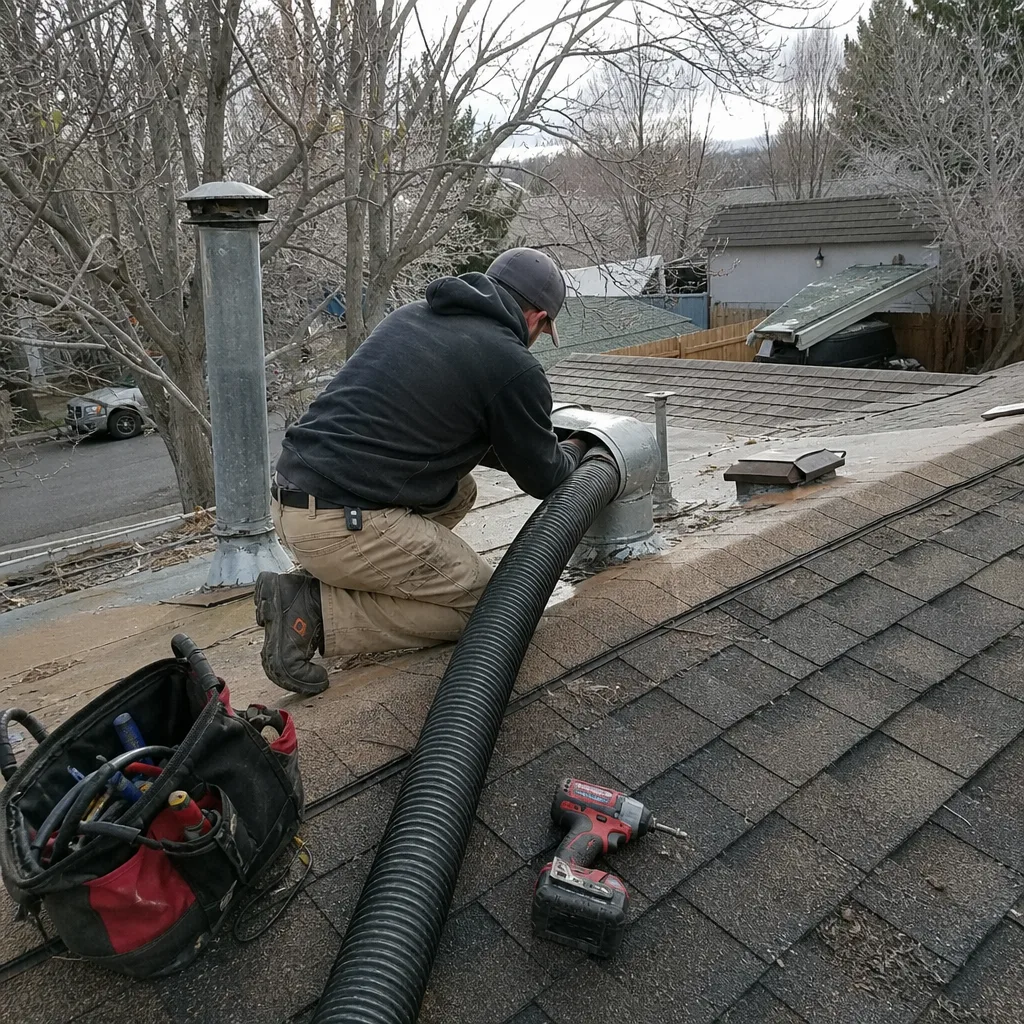 Before
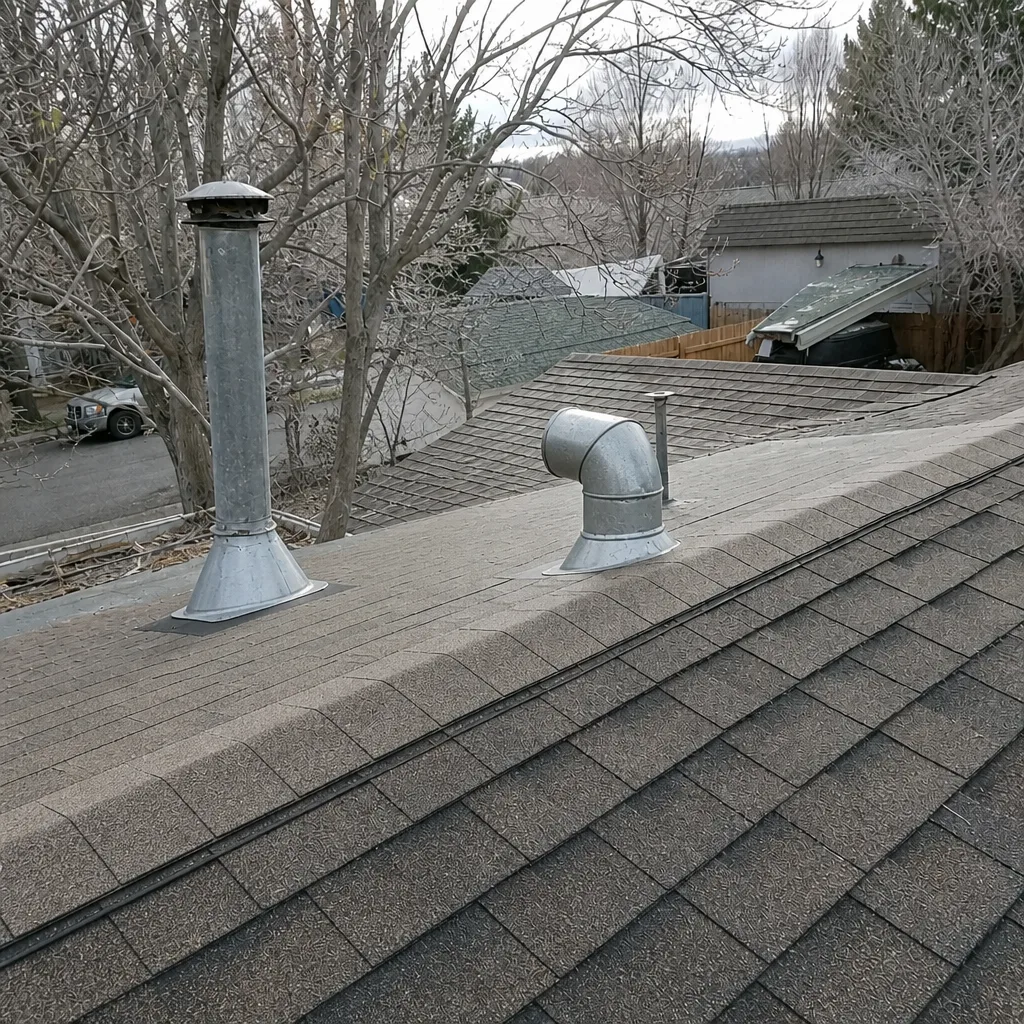 After
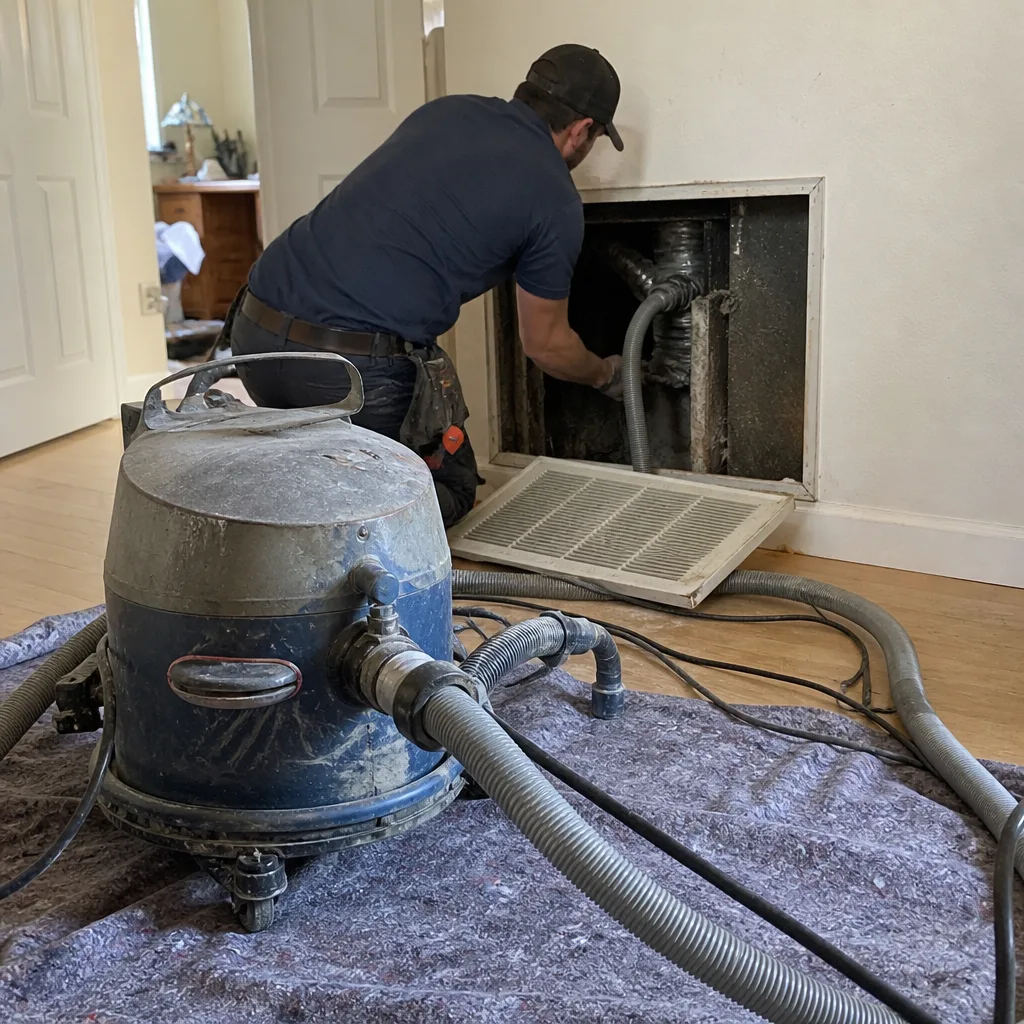 Before
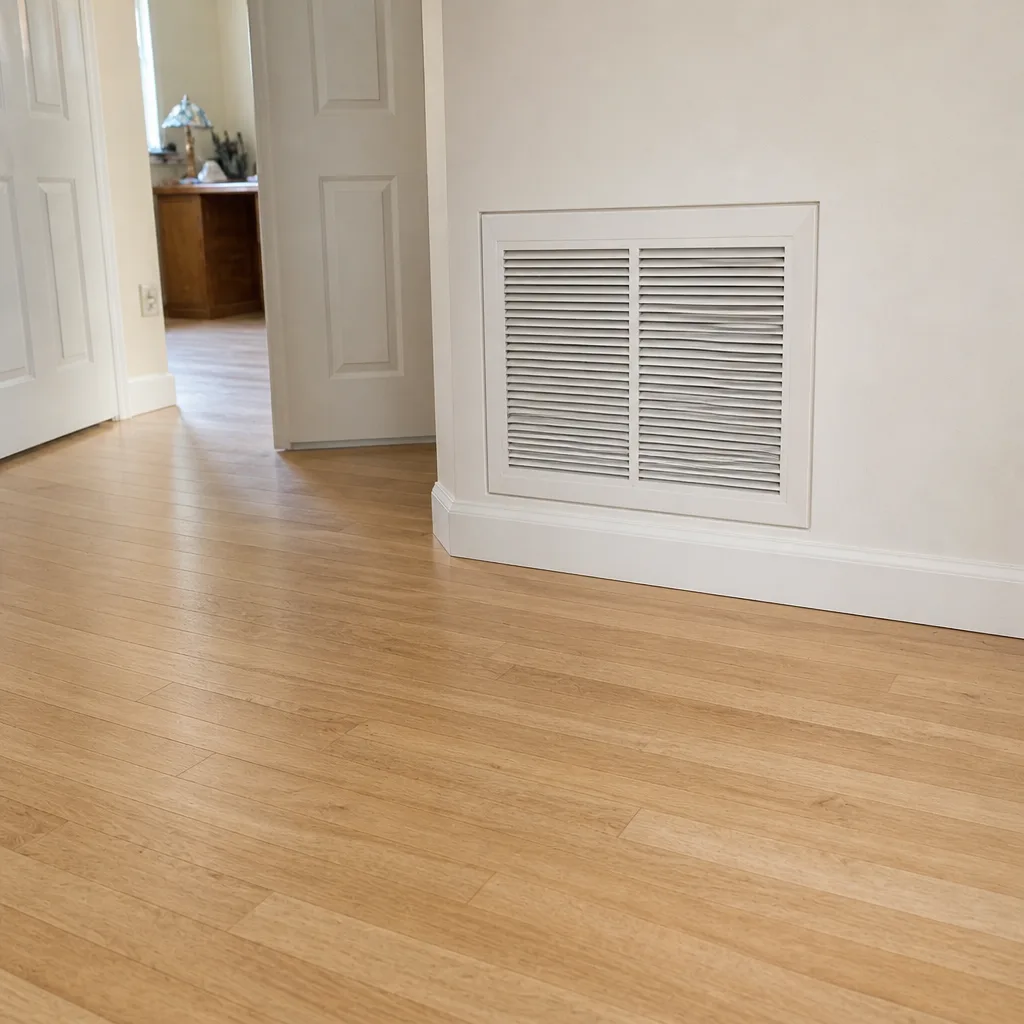 After
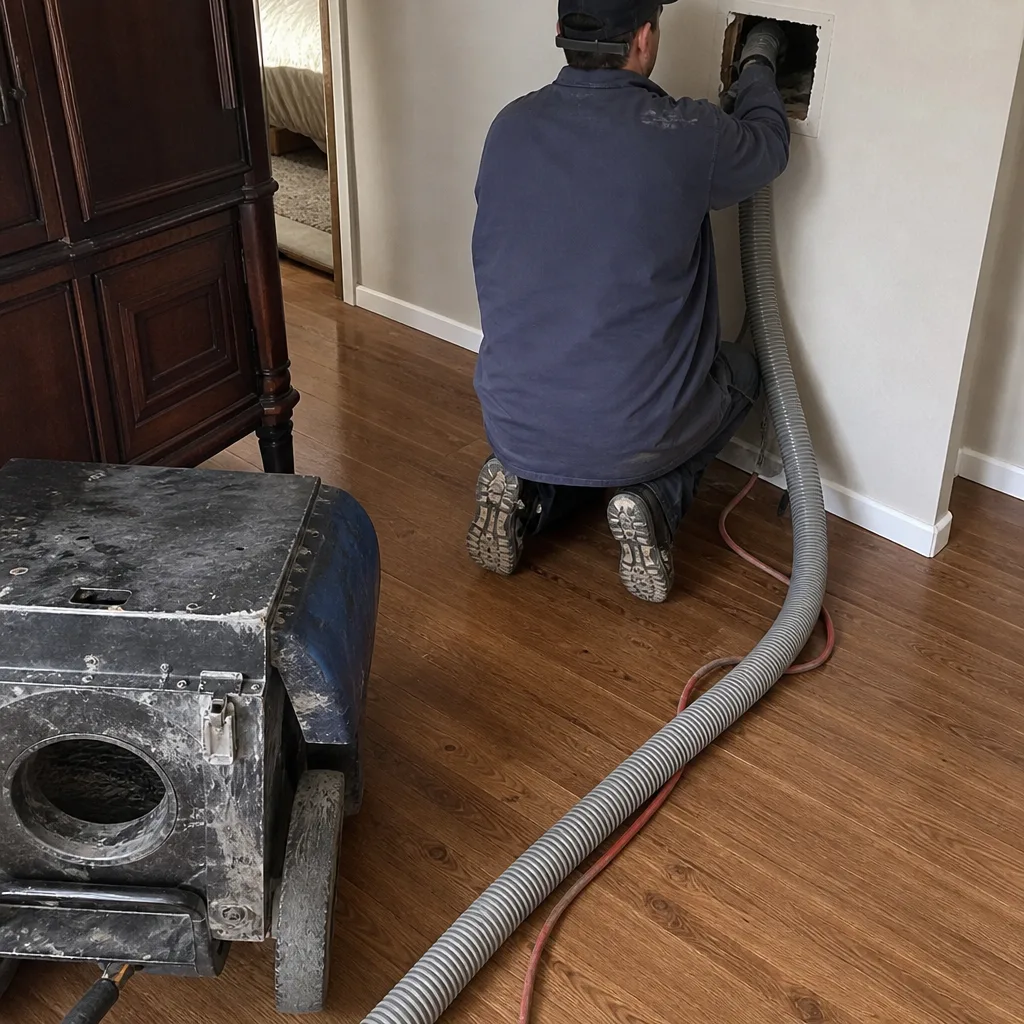 Before
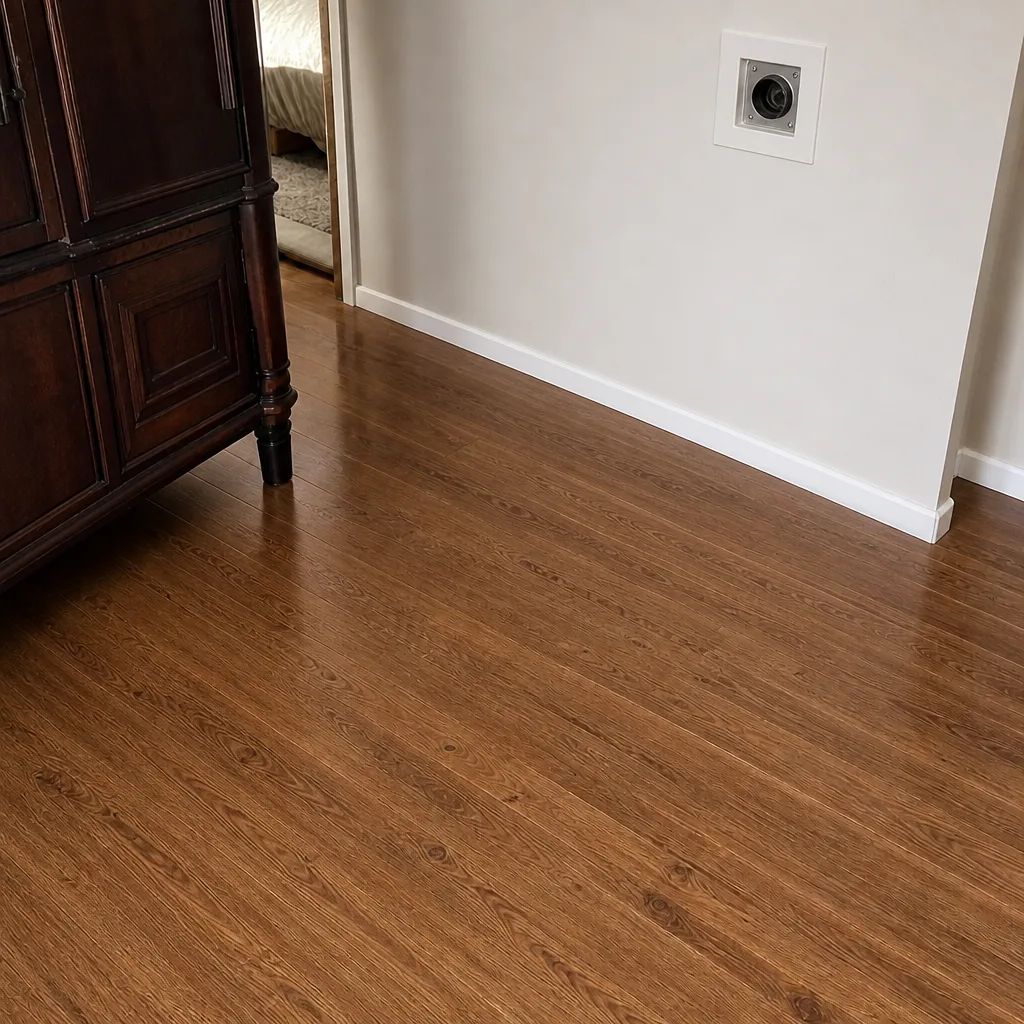 After
When to Call a Professional
Some duct cleaning signals are obvious and some are easy to miss. Call a professional when you notice visible dust buildup at the registers or a constant dust film on surfaces shortly after cleaning the house. Call when anyone in the household has unexplained respiratory irritation that gets worse when the HVAC runs. Call when you’re moving into a Reno home and don’t know its duct history. Call when you’ve had renovation work done that generated dust and debris in the wall cavities. Call when the dryer is taking noticeably longer to dry loads, which often indicates a lint-clogged vent line. And call when you can see damage at any register boot or notice air leaking at duct joints – that’s a repair question, not just a cleaning one.
Duct Cleaning Reno offers free estimates in Reno – call (866) 361-7643. We answer 24/7. Fast dispatch from 7am to 7pm, Sunday through Friday. Our technicians have up to 15 years of experience, and every job is quoted as one flat price per system agreed before work starts. If you want to see how the full three-system process works and what it includes, you can review our air duct cleaning scope before you call.
Frequently Asked Questions
Air duct cleaning in Reno is priced per system, not per vent, and the quote should be settled before any work starts. The final number depends on the size of your system, the number of runs, whether repair work is needed, and the equipment being used. A one-flat-price-per-system structure is the honest model because it forces the company to quote the whole job, not a per-vent number that hides the actual scope. Get a written estimate that states the price and what’s included. Call (866) 361-7643 for an exact quote – estimates are free.
Cheap quotes are built on a shorter process and less equipment. The gap is usually one of three things: no mechanical agitation (only an air whip or shop-vac setup), no HEPA-rated extraction or containment, or a per-vent price that turns into a much larger number once the technician is on site. A quote half the size of the others isn’t a bargain; it’s a different job. Ask what equipment arrives and what the process involves before you compare. Call (866) 361-7643 for an exact quote – estimates are free.
Before-and-after photos of your own duct system, taken during the visit and shown to you at the end of the job. Real documentation shows matching angles before and after, so you can see the change at the same point in the duct. A company that uses stock photos on its website and doesn’t hand over photos of your job isn’t giving you proof. Ask in advance what documentation you’ll receive. Call (866) 361-7643 for an exact quote – estimates are free.
Most homeowners don’t need annual cleaning. Every few years is a reasonable baseline unless something specific prompts a cleaning sooner: recent renovation work, a move into a home with unknown duct history, visible dust at the registers, or a duct repair that disturbs the system. In Reno’s dry climate with heavy forced-air heating through the winter, ductwork sees consistent airflow and picks up fine particulate over time. Ask a technician to assess your system rather than following a fixed schedule. Call (866) 361-7643 for an exact quote – estimates are free.
Yes. Air duct repair is part of the service scope, which is what makes us structurally different from a cleaning-only operator. When we find a leak, a disconnected run, a crushed section, or a gap at the plenum, we fix it in the same visit rather than flagging it and referring you elsewhere. That matters for the cleaning itself, because contaminated ductwork is almost always contaminated for a reason – addressing the cause is part of doing the job right. Our Duct Cleaning Reno page lists the full service scope if you want to see it laid out.
Reno’s dry air and long heating season mean the forced-air system runs hard through the winter, and regional dust and smoke events leave fine particulate in the airstream. That doesn’t mean an annual cleaning is required, but it does mean a Reno home may accumulate visible dust at the registers a bit faster than a home in a humid climate. The judgment call is about system condition, not a calendar interval. Have a technician look at the ducts and the vents rather than deciding based on a schedule. Call (866) 361-7643 for an exact quote – estimates are free.
The Bottom Line
Choosing a duct cleaning company in Reno isn’t a recognition game, because there’s no dominant name to recognize. It’s an equipment-and-process decision. Learn to spot Rotobrush agitation and Nikro HEPA-rated extraction when a company describes its work. Ask how they manage air pressure with negative-air containment. Ask what happens when they find damaged ductwork. Ask for before-and-after photos of your own system. Read reviews for process detail, not star count. And when you’re ready to compare, ask questions about Reno housing and climate that a national script can’t answer.
If you want a company that answers all of those, we’d be glad to. You can reach our Reno team by calling (866) 361-7643 for a free estimate. We answer 24/7. Fast dispatch from 7am to 7pm, Sunday through Friday. Our technicians have up to 15 years of experience, and we quote one flat price per system agreed before work starts. Guardsman-grade protective treatment is available after cleaning for homes that want an added defensive layer, and our familiarity with Honeywell and Aprilaire whole-home systems means we understand how your ductwork connects to filtration and humidity control, not just to the register grilles. Call (866) 361-7643 to schedule a free estimate.
Written by the team at Duct Cleaning Reno.