
Last updated November 15, 2026
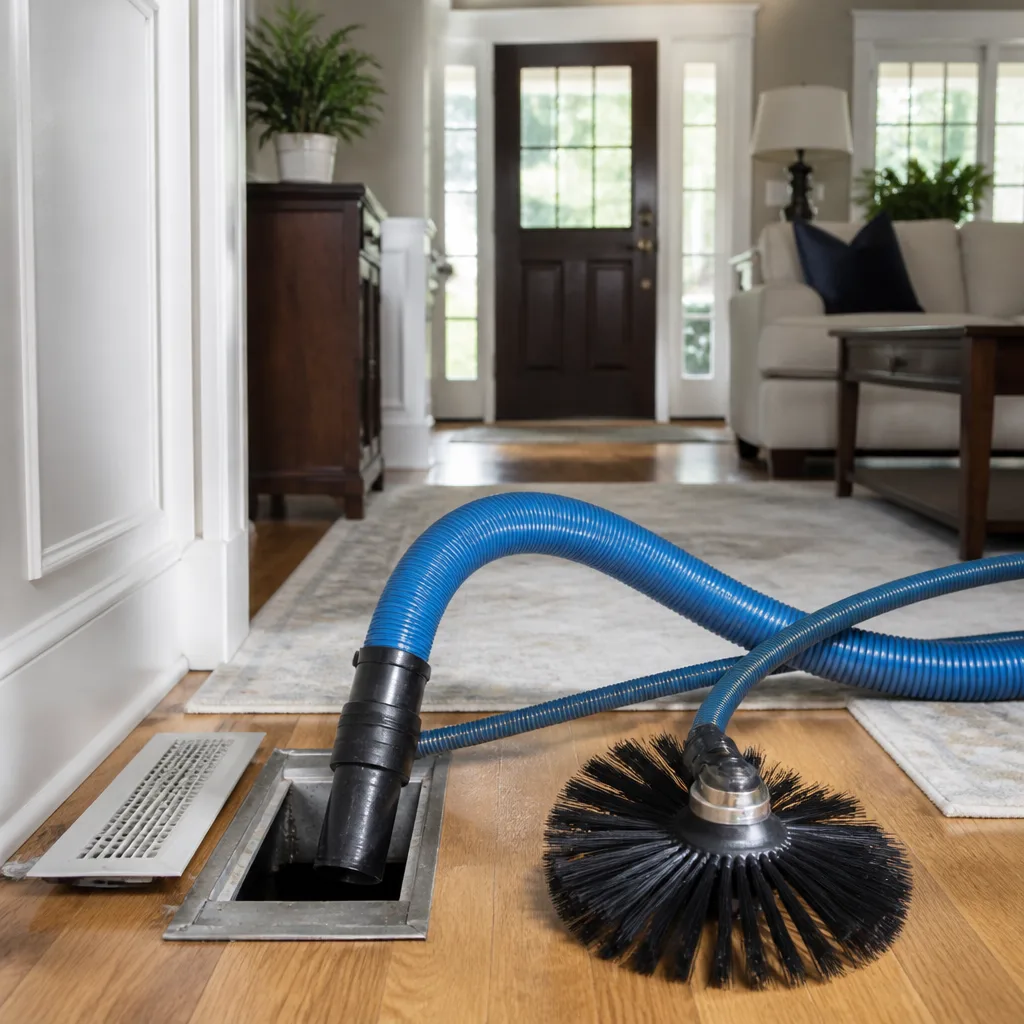 Whole-home duct cleaning
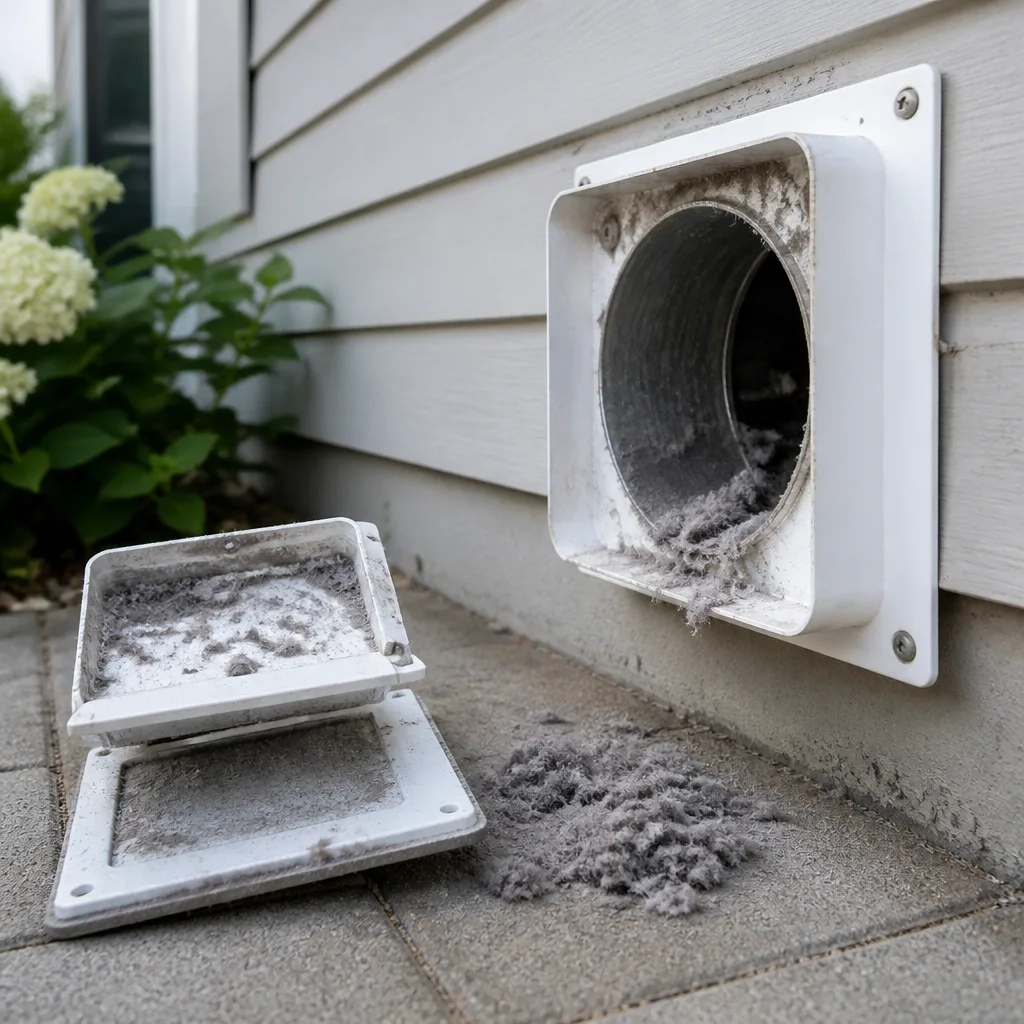 Dryer vent cleaning
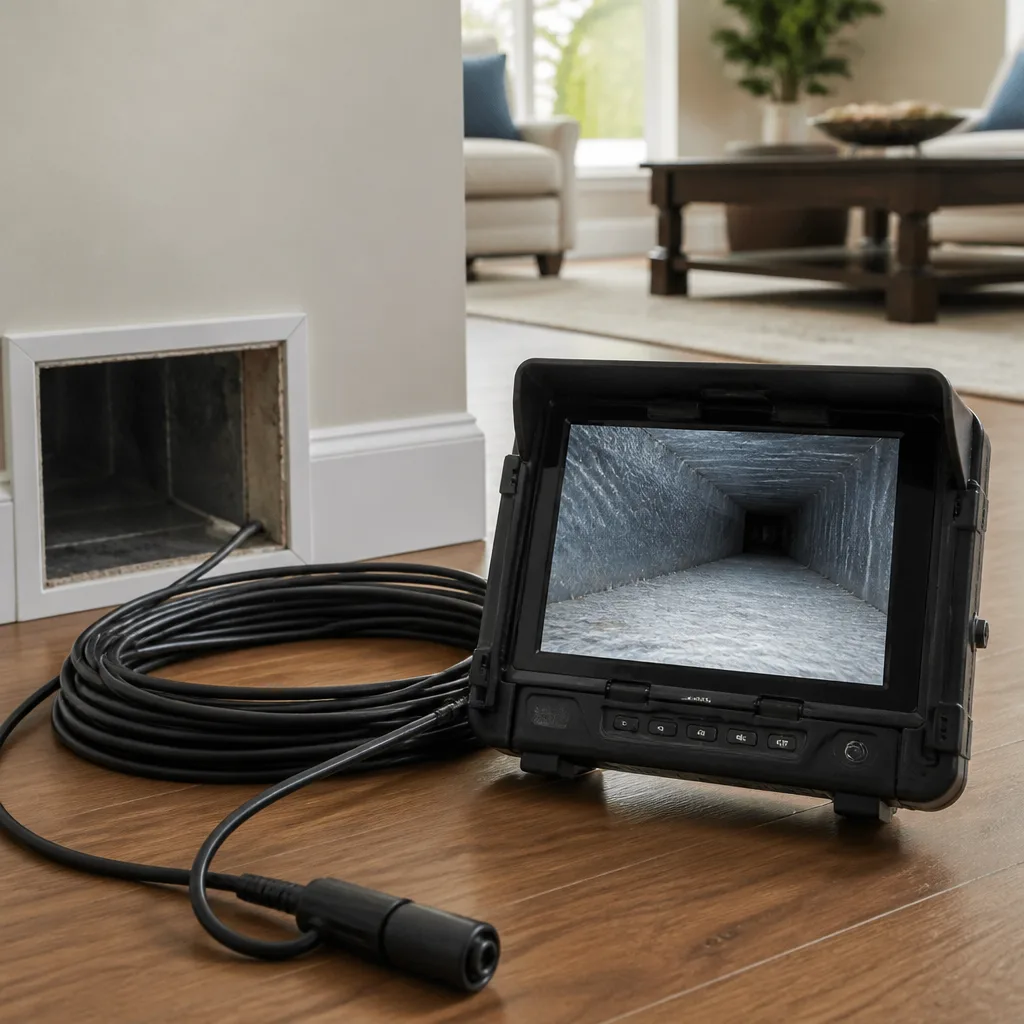 Camera inspection
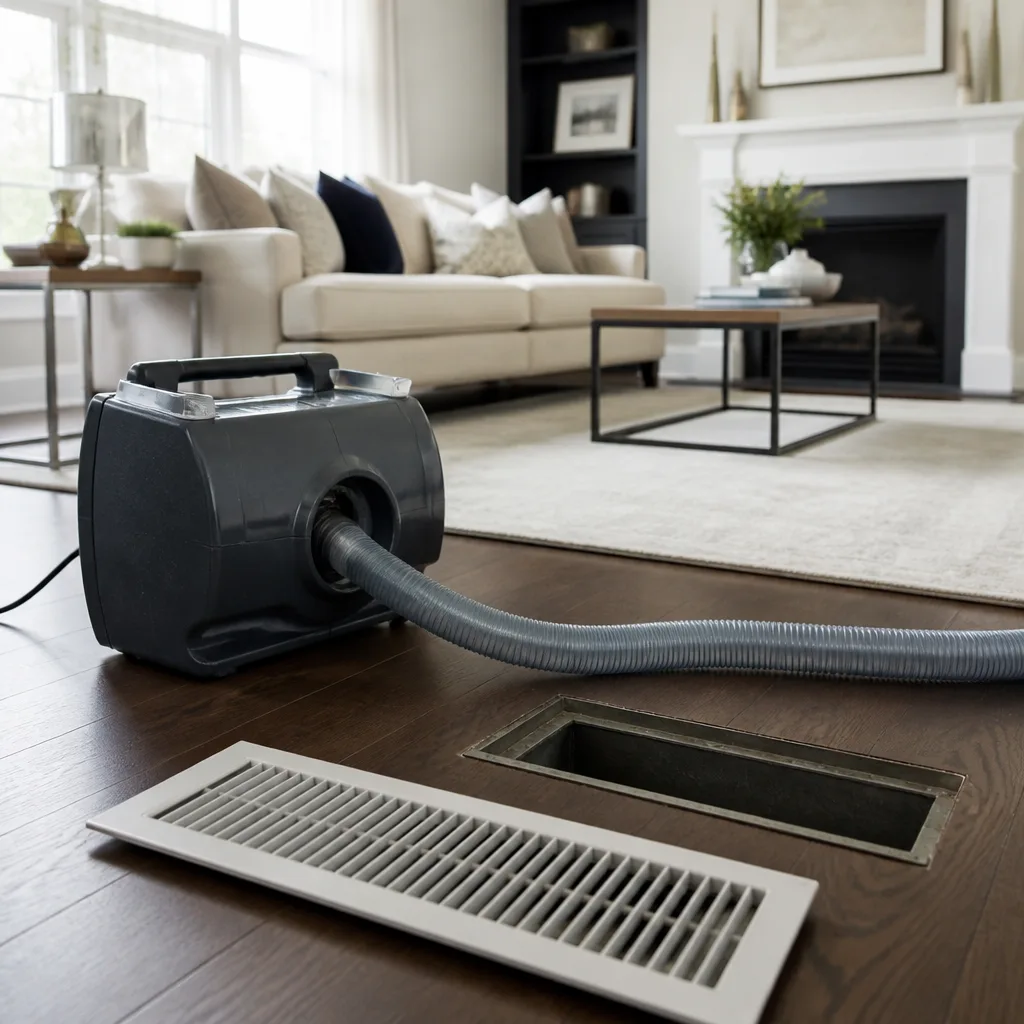 Sanitizing & deodorizing
Whole-system duct and dryer vent check with before-and-after photos - you see exactly what came out of your vents
That "$99 whole-house special" is a bait ad - the real number appears once they are in your hallway, or the "clean" is a shop-vac at the register. We photograph the inside of your ducts before and after instead.
Air Duct Cleaning Troubleshooting in Reno: Common Problems and How to Fix Them
If your home still smells musty two weeks after a duct cleaning, the cleaning probably wasn’t the problem – a breached flex duct section pulling air from your crawlspace likely is. That’s the part most homeowners never get told. A cleaning removes what’s inside the ducts; it can’t fix a duct system that was leaking, disconnected, or contaminated from the outside all along. In this guide we’ll show you how to read the symptoms you’re seeing – persistent odors, uneven airflow, dusty returns – the way a technician reads them, and connect each one to the mechanical cause behind it. You’ll also learn what you can safely check yourself and when a Reno home needs repair rather than another cleaning.
Quick Answer
Most duct cleaning “failures” in Reno are really pre-existing duct integrity problems: gaps at joints, collapsed flex runs, disconnected takeoffs, or contamination entering from a crawlspace or unsealed air handler. Cleaning removes debris but doesn’t seal leaks or fix damaged ductwork. If symptoms persist after a cleaning, the next step is a duct inspection and repair – not a re-clean.
Styles & brands we work with
- Whole-home duct cleaning
- Dryer vent cleaning
- Camera inspection
- Sanitizing & deodorizing
Table of Contents
- How Do You Tell a Cleaning Failure From a Duct Problem?
- Why Does Your House Still Smell After Duct Cleaning?
- What Uneven Room Temperatures After Cleaning Actually Mean
- How to Inspect Your Own Registers and Trunk Sections
- What a Real Cleaning Looks Like – and Why It Matters
- When the Fix Is Air Duct Repair, Not Another Cleaning
- Dryer Vent Problems That Get Blamed on the Ducts
- When Troubleshooting Crosses Into Remediation
How Do You Tell a Cleaning Failure From a Duct Problem?
You separate the two by asking one question: did the symptom exist before the cleaning, or did it appear after? A genuine cleaning failure usually shows up as debris left behind – visible dust in the registers, a film on the grilles, or a fine dust layer settling on furniture within days. A duct integrity problem shows up as a symptom that never went away, no matter how many times the system gets cleaned.
Think of it this way. Cleaning addresses what’s inside the duct. It doesn’t address whether the duct is sealed, connected, and intact. In our experience across Reno homes, those two things get confused constantly, and homeowners end up paying for a second cleaning when what they needed was a repair.
Use these signals to sort it out:
- Dust returns quickly after cleaning → likely a leak pulling in unfiltered air, not leftover debris.
- One room is always cold or stuffy → likely a damper, a collapsed flex run, or a disconnected takeoff.
- Smell is worse in certain rooms or near certain walls → likely a specific breach near that location.
- Smell is uniform throughout the house → likely the air handler, coil, or a return-side gap.
- Debris visible inside the register boot itself → could genuinely be incomplete cleaning.
The pattern matters more than any single clue. A symptom that’s localized points to a localized duct problem. A symptom that’s house-wide points to something upstream – the air handler, the return plenum, or the mechanical room. Learning to read that difference is the whole game, and it’s what we walk through on every Duct Cleaning Reno inspection before any equipment comes off the truck.
Why Does Your House Still Smell After Duct Cleaning?
Persistent odor after a cleaning almost always means the contamination source is outside the duct run that was cleaned. The three most common culprits in Reno homes are crawlspace air intrusion, an unsealed air handler cabinet, and mold growth on the evaporator coil surface.
Here’s the mechanism. Your return ducts pull air back to the air handler. If any section of that return path runs through a crawlspace or attic and has a gap, the system draws in whatever air is in that space – soil moisture, rodent droppings, insulation fibers, musty crawlspace air – and distributes it through the house. Cleaning the supply side doesn’t touch that. You clean, you seal nothing, and within days the smell comes right back because the source was never addressed.
The same logic applies to the air handler itself. If the cabinet isn’t sealed, or the coil has a damp biological film, that surface keeps feeding odor into the airstream regardless of how clean the ducts are. We look for three things in this order:
- Crawlspace and attic breaches. Any flex duct section in an unconditioned space gets checked for tears, disconnected collars, and sagging runs that have pulled loose.
- Air handler sealing. Cabinet seams, the filter slot, and the plenum connections. A filter slot that doesn’t seal is a straight path for unfiltered air into the system.
- Coil condition. A wet, dirty coil grows biological film. That’s an HVAC service item, but it’s often the real source of a “duct smell.”
Reno’s dry climate actually helps here in one way and hurts in another. Ducts in crawlspaces stay drier than in humid climates, so you’re less likely to find standing water – but the extreme seasonal swing between a cold Sierra winter and a hot high-desert summer works joints and seals loose over time. Gaps open, collars separate, and the system starts pulling from wherever it can. If the smell persists past a couple of weeks, that’s your signal to move from cleaning to inspection. A properly equipped job uses negative-air containment from Abatement Technologies specifically so contaminants don’t migrate during the work – that’s a detail worth asking about when you book air duct cleaning.
What Uneven Room Temperatures After Cleaning Actually Mean
Uneven temperatures after a duct cleaning usually point to one of three things: a damper that’s partially closed, an undersized trunk line feeding a distant room, or duct leakage bleeding conditioned air before it reaches the register. None of those are cleaning problems, and a re-clean won’t change any of them.
Reno homes built across different eras show this differently. Older neighborhoods around the university and midtown tend to have duct systems that were sized for a single furnace and later adapted – sometimes with a branch added here or a run extended there. Those add-ons are where imbalance usually hides. Newer construction out toward the south valleys often has longer runs to the far bedrooms, and a small leak over a forty-foot run costs you a noticeable amount of delivered air by the time it reaches the register.
Before calling anyone, run this quick check:
- Confirm the room’s register has strong airflow with the door open – if it improves dramatically, the room is starved for return air, not supply.
- Feel the register face for temperature versus a nearby room – a big gap suggests a supply issue, a small gap suggests a room-envelope issue.
- Check whether the room sits at the end of the longest duct run – distance and run length matter more than most people expect.
- Look at the damper position if you have accessible dampers at the trunk – a partially closed damper is the most common single cause.
The point is that temperature imbalance is a duct design and sealing question, not a cleanliness question. Cleaning improves air quality and airflow slightly by removing debris buildup, but it can’t rebalance a system that was never balanced or that has leakage. If you’re seeing this problem, the conversation should be about duct repair and sealing – which is exactly why we keep repair on the service menu rather than treating it as a referral.
How to Inspect Your Own Registers and Trunk Sections
You can safely inspect your accessible registers, boots, and any exposed trunk sections yourself. What you’re looking for is evidence of a breach, and the four things below cover most of what a technician would flag on a first pass.
Do not open the air handler cabinet or handle any electrical component. That’s a job for a trained professional – line voltage and moving parts are a real hazard. Visual inspection of grilles, boots, and exposed flex is safe. Anything past that isn’t. Here’s the inspection, in order:
- Pop the register grille off and look at the boot (the sheet-metal box the grille attaches to). Is there a visible gap between the boot and the drywall or subfloor? Is the boot sealed with mastic or just sitting loose? A gap here pulls attic or wall-cavity air directly into the room.
- Shine a light into the duct opening and look at the first few feet. You’re checking for tears in flex duct lining, disconnected sections, or heavy debris. Note the difference between a light dust film (normal) and caked debris (not normal).
- Follow any exposed flex in the attic or crawlspace visually. Look for kinked or crushed sections, sagging runs between supports, and collars that have pulled apart. A crushed flex run chokes airflow to everything downstream.
- Check the return grilles in the same way. Returns are often the leakiest part of a Reno system because they run through unconditioned space and get less attention.
Write down what you see and where. A technician can work far faster with a homeowner who says “the second bedroom boot has a gap on the left side and the flex behind it is kinked” than with one who says “airflow seems weak.” That specificity is worth more than any single diagnostic tool. If you find a real breach, that’s a repair, and we handle air duct repair in the same visit as cleaning rather than flagging it and leaving.
What a Real Cleaning Looks Like – and Why It Matters
A real duct cleaning follows a documented three-stage process: mechanical agitation to loosen debris, HEPA-rated extraction to capture it, and negative-air containment to keep it from migrating into your living space. If a contractor shows up with a shop vac and an air whip, you’re not getting that process, and that’s why some cleanings don’t hold.
Here’s the difference in practice. Air-whip cleaning loosens surface dust with compressed air but doesn’t scrub adhered debris off duct walls, and it doesn’t capture what it lifts. Mechanical brushing with a system like Rotobrush physically contacts the duct interior and dislodges what’s stuck. Extraction with a Nikro HEPA-rated vacuum captures particles down to 0.3 microns, so what comes loose actually leaves the system. And negative-air containment, using the same class of equipment as abatement work, keeps the whole job under pressure so contaminants don’t drift into the house.
Why does this matter to troubleshooting? Because a cleaning done without agitation and true HEPA extraction leaves behind exactly the residue that makes homeowners think the cleaning “didn’t work.” If your ducts are still dusty two weeks later, the first question is what equipment was actually used.
Ask any contractor three questions before booking:
- What agitation method do you use – brush, air whip, or both?
- What’s the filtration rating on your extraction equipment?
- Do you set up negative-air containment during the job?
We work with Honeywell and Aprilaire whole-home air quality systems as well, which matters because the ductwork connects directly to filtration and humidity control. Understanding both sides of that connection is what lets a technician tell the difference between a duct problem and an equipment problem. Book a Duct Cleaning Reno visit and you can see the equipment before anyone starts.
When the Fix Is Air Duct Repair, Not Another Cleaning
The fix is duct repair, not cleaning, when the symptom traces to a physical breach: a gap, a collapsed or disconnected flex run, a crushed section, or a separated takeoff. Those are the cases where a second cleaning is money thrown at the wrong problem.
We’ve seen this play out often enough in Reno to recognize the pattern immediately. A homeowner books a cleaning, the cleaning is done correctly, and three weeks later the same dust and the same smell are back. The source was never a dirty duct – it was a duct that leaked. Sealing and repairing the duct system is what actually resolves it, and it’s why repair sits on the service menu alongside cleaning.
The specific repair signs to watch for:
- A visible gap at a boot or collar. Any daylight or gap at a duct connection pulls outside air in.
- A sagging or crushed flex run. Flex duct that’s lost its support or been stepped on in the attic restricts flow to everything downstream.
- A disconnected takeoff. One branch that’s come off the trunk starves a whole zone, and it’s invisible without a look inside the cavity.
- Recurring dust in one room. Localized dust return points to a localized breach near that room.
Our technicians have up to 15 years of experience reading these signals, and the repairs happen in the same visit as the cleaning so you’re not coordinating two contractors. After repair, a Guardsman-grade protective treatment can add a defensive layer that extends the result past the day of service. This is the process-over-price difference: we repair what we find instead of cleaning around it.
Dryer Vent Problems That Get Blamed on the Ducts
Dryer vent lint buildup is often mistaken for a duct cleaning problem because the symptoms overlap: a stuffy laundry room, a house that smells slightly burnt, a dryer that takes forever. But the dryer vent is a separate system with different stakes. Lint buildup in a dryer vent is a fire risk, not a maintenance afterthought, and it’s the reason we offer dryer vent cleaning as a standalone fire-safety service.
Here’s how the confusion happens. The dryer vent often runs through the same wall cavity or floor assembly as a return duct, and a clogged vent leaves the laundry room humid and stale. Homeowners smell that and assume the ducts need cleaning. Then they get the ducts cleaned, the laundry room still smells, and the vent is still clogged.
The signs you’re looking at a vent problem rather than a duct problem:
- The dryer takes more than one cycle to dry a normal load.
- The dryer body or the laundry room feels unusually hot.
- There’s a burnt or overheated smell near the dryer, not near a register.
- The exterior vent flap doesn’t open freely or has visible lint around it.
Full vent-line clearance is a different job from duct cleaning, and it deserves its own visit. If you’re in Reno and the laundry room is the source of the smell, book that as dryer vent cleaning, not duct cleaning. Confusing the two wastes a service call.
When Troubleshooting Crosses Into Remediation
Troubleshooting crosses into remediation when you find visible mold growth, rodent evidence, or standing moisture inside the duct system or the cavity it runs through. Those conditions need abatement-grade handling, not a standard clean-and-seal job, and a re-clean won’t resolve them.
The reason is that those three conditions are contamination sources, not dirt. Mold growth on duct lining or coil surfaces indicates an ongoing moisture problem – cleaning the visible growth without fixing the moisture guarantees it comes back. Rodent evidence means droppings, urine, and nesting material inside the system, which carries its own handling requirements. Standing moisture in a duct or a cavity indicates a leak from the roof, plumbing, or envelope that has to be fixed before any cleaning means anything.
These are the signs to treat as remediation triggers:
- Visible mold growth on duct interior, boots, or the plenum surface – a fuzzy or dark patchy film, not just dust.
- Rodent droppings, nesting material, or urine odor inside a duct or cavity.
- Standing water or persistent dampness in a duct, crawlspace, or at the air handler.
If you find any of these, describe it clearly when you call. Remediation-grade tools – the same Abatement Technologies negative-air equipment used in mold and asbestos work – are what keeps a contaminated system from spreading during the job. In our experience, most homeowners in Reno who report “the ducts are still the problem” after a cleaning fall into three buckets: an unsealed leak, an air handler issue, or a vent confusion. Genuine remediation cases are less common, but they’re the ones where handling method matters most. If you’re unsure which bucket you’re in, call and describe what you’re seeing. We answer 24/7, with fast dispatch from 7am to 7pm, Sunday through Friday.
Common Mistakes to Avoid
- Booking a second cleaning to fix a smell. If the first cleaning was done with proper agitation and extraction, the smell is almost always a breach, not leftover debris. Cleaning again throws money at the wrong layer of the problem.
- Assuming weak airflow means clogged ducts. A closed damper, a crushed flex run, or a disconnected takeoff produces the same symptom and won’t be fixed by cleaning. Check the easy causes before booking anything.
- Skipping the crawlspace and attic. Reno homes have a lot of ductwork in unconditioned space, and that’s where gaps and separations live. Any inspection that doesn’t look there is incomplete.
- Confusing dryer vent problems with duct problems. The laundry-room smell that comes back after a cleaning is a vent symptom. Lint buildup is a fire-safety issue, and it needs the dedicated dryer vent service.
- Not asking what equipment is being used. A shop vac and an air whip produce a different result than Rotobrush agitation plus Nikro HEPA extraction plus Abatement Technologies containment. Ask before you book, because the result depends on it.
- Treating mold or rodent evidence as “just needs cleaning.” Visible mold, droppings, or standing moisture need remediation-grade handling. A standard cleaning spreads the contamination rather than resolving it.
- Assuming a dirty filter slot is normal. An unsealed filter slot pulls unfiltered air straight into the system. It’s a small gap with an outsized effect, and it’s worth checking.
See the difference
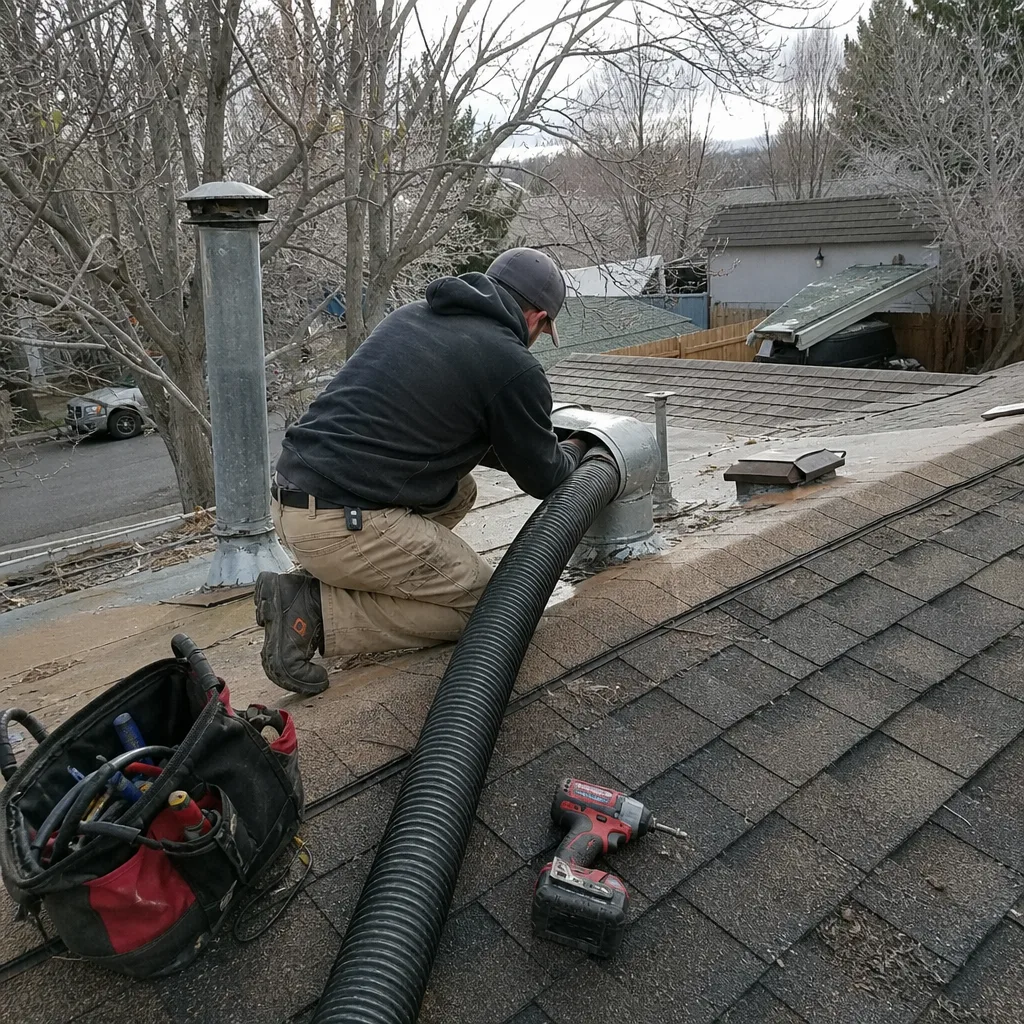 Before
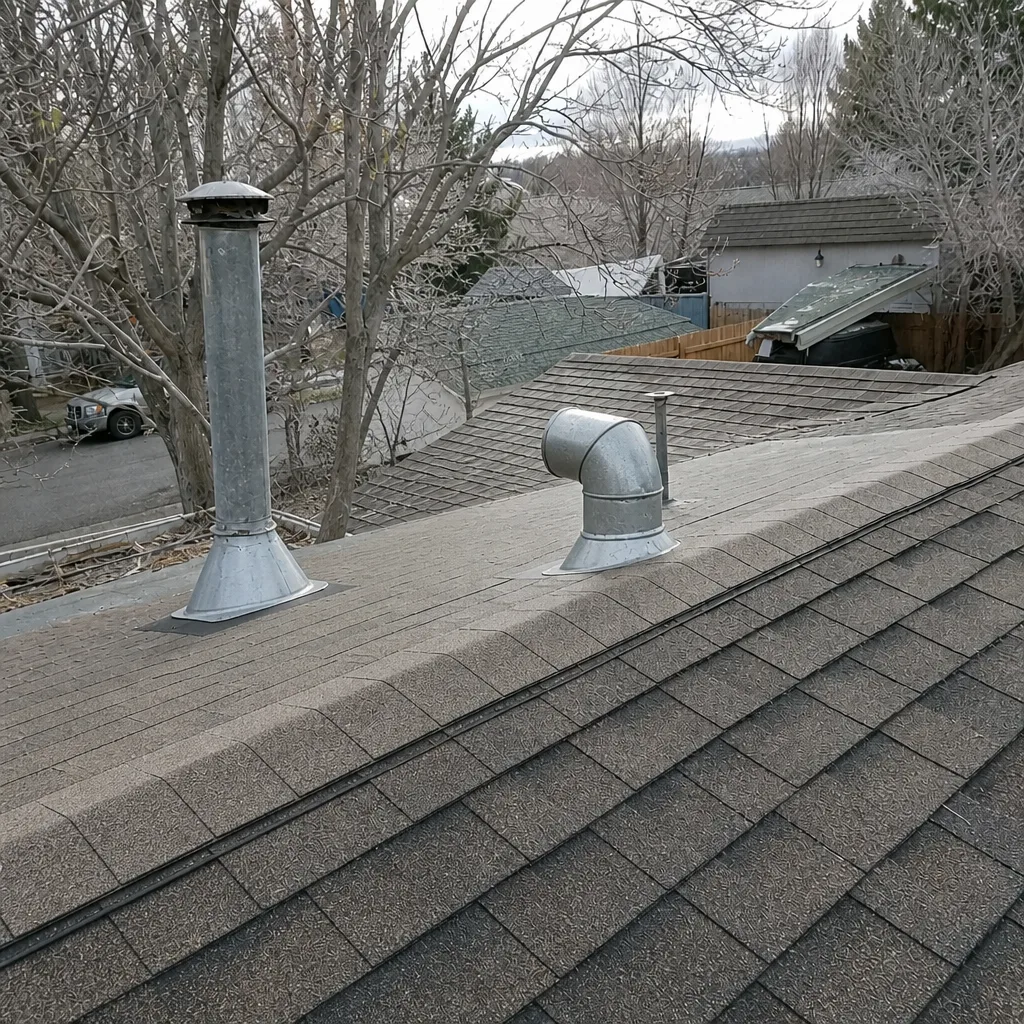 After
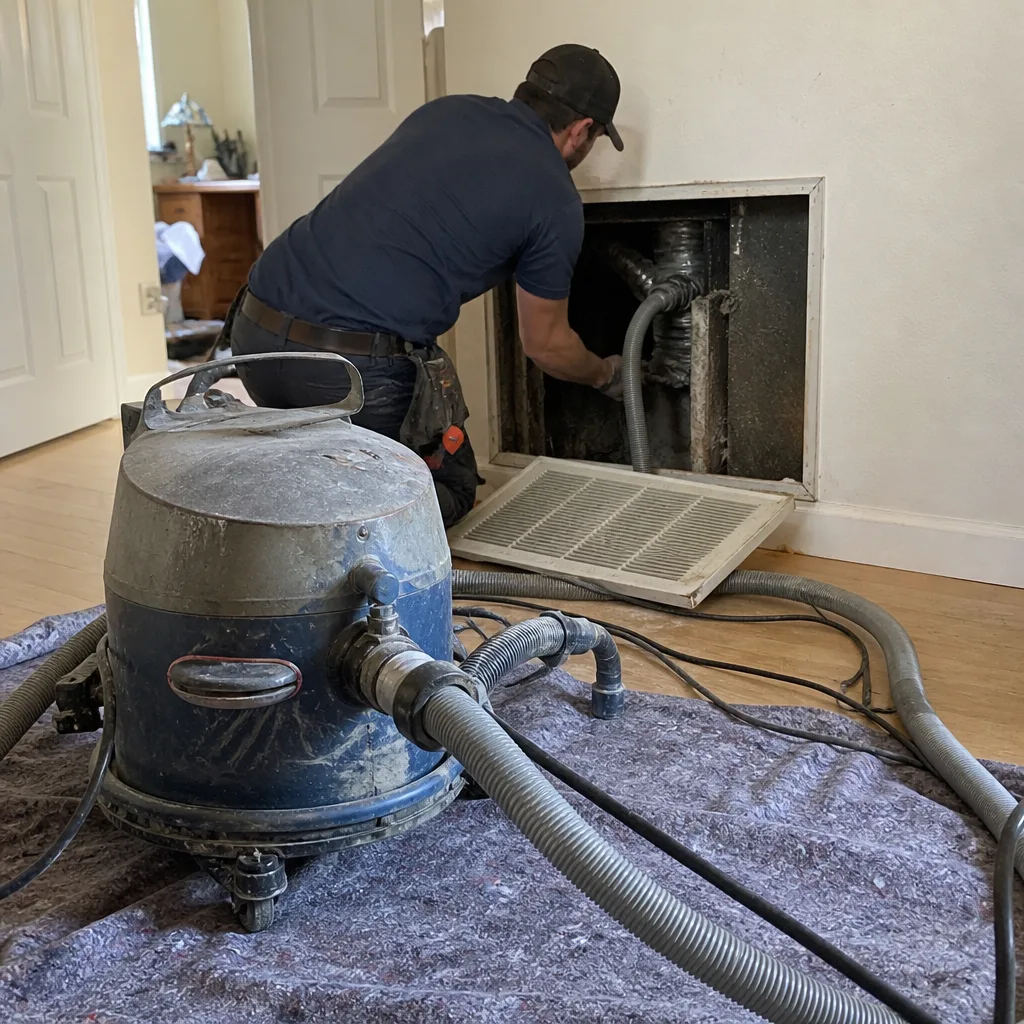 Before
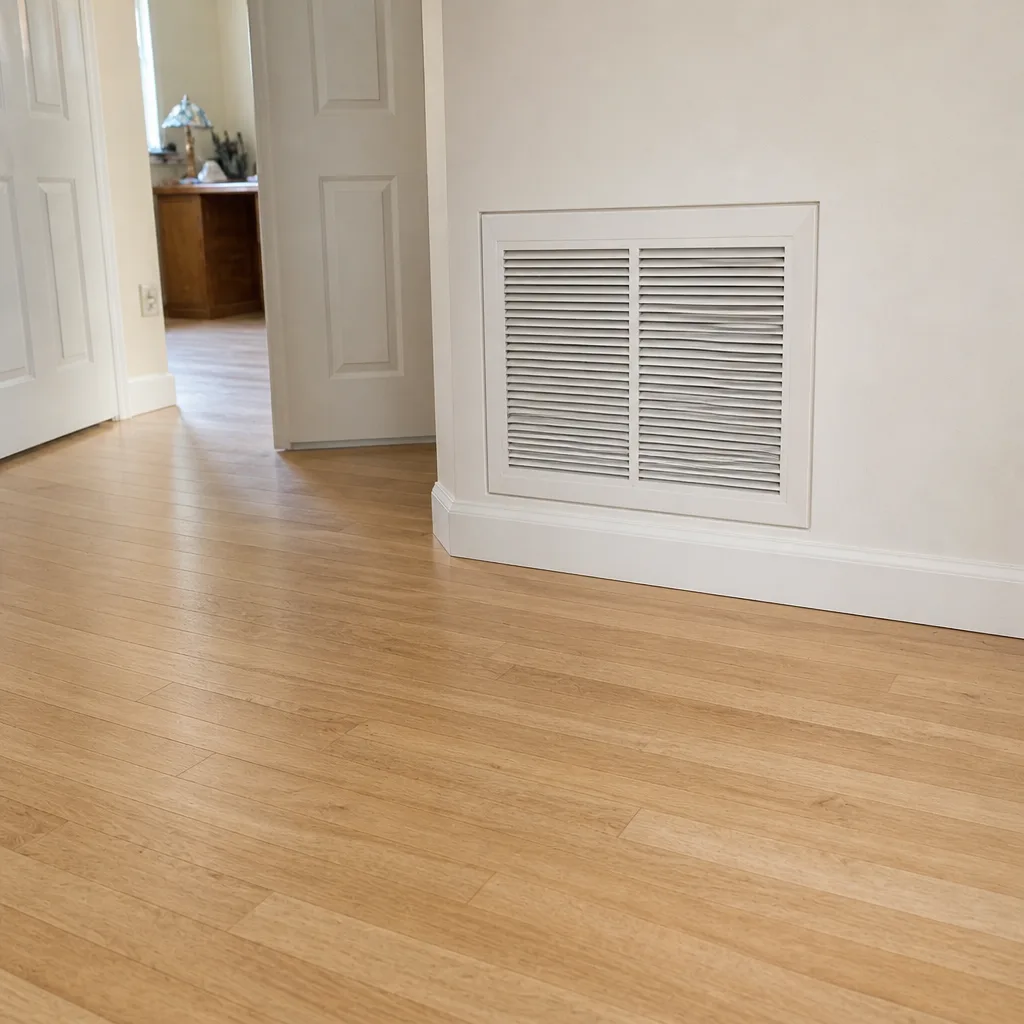 After
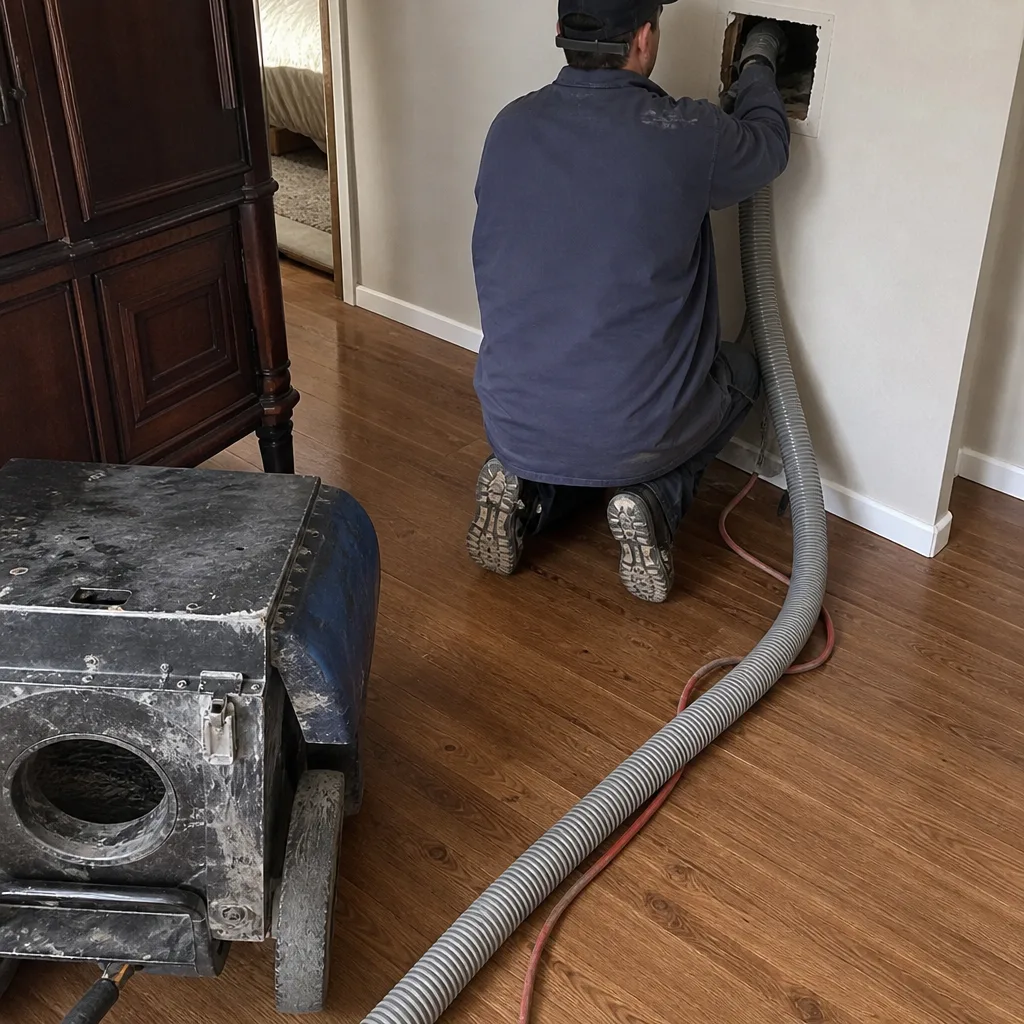 Before
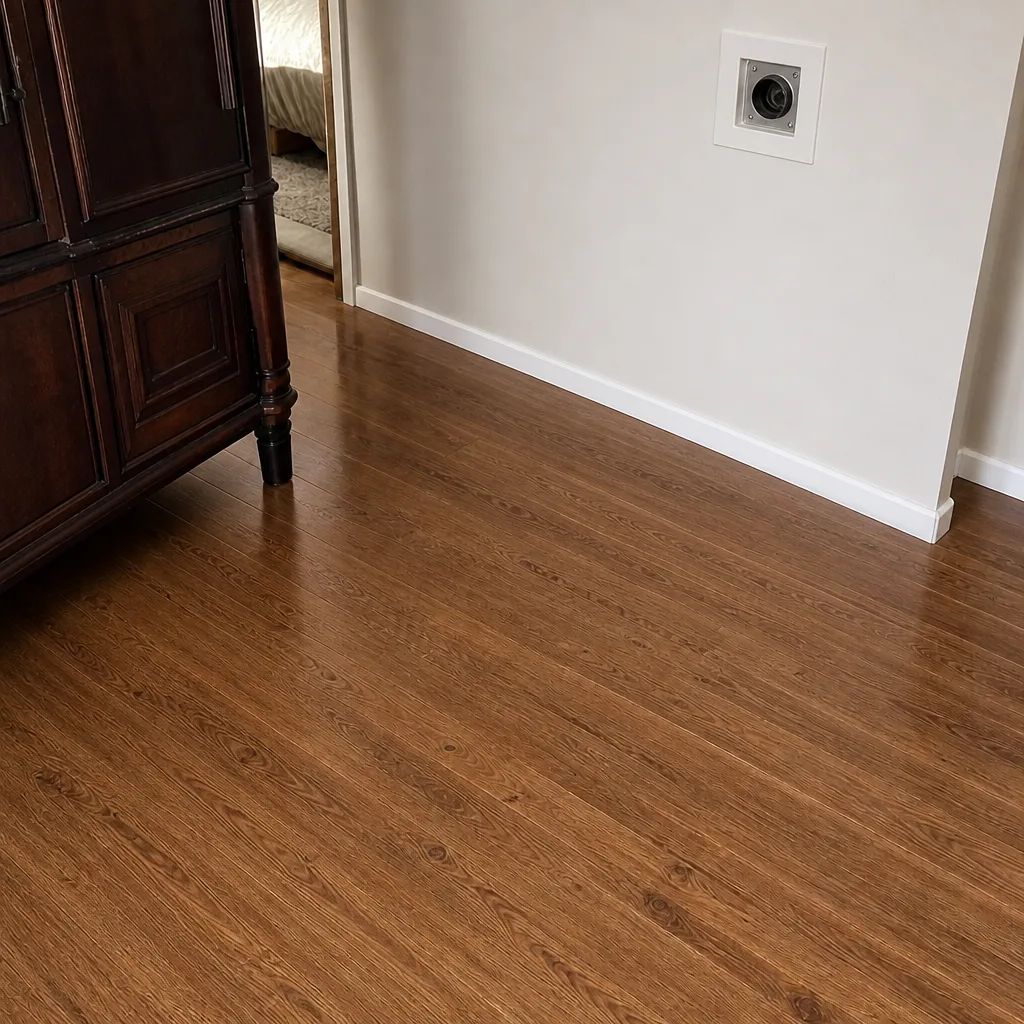 After
When to Call a Professional
Call a professional when you’ve identified a symptom that cleaning can’t solve: persistent odor after a documented cleaning, a single zone that never warms or cools, visible gaps at boots or collars, or any sign of mold, rodents, or moisture inside the duct system. Those cross from a cleaning question into a repair or remediation question, and a trained technician needs to be on site to inspect.
The three-system process we use – mechanical agitation, HEPA-rated extraction, and negative-air containment – is what separates a documented job from a shop-vac job. And because repair is in scope, a breach found during cleaning gets fixed in the same visit rather than flagged for a second contractor. Our technicians have up to 15 years of experience reading these systems across Reno and the surrounding neighborhoods.
Duct Cleaning Reno offers free estimates in Reno – call (866) 361-7643. We answer 24/7. Fast dispatch from 7am to 7pm, Sunday through Friday. The estimate is free, one flat price is agreed before work starts, and you’ll see before-and-after photos of your own ducts so you know exactly what the work did.
Frequently Asked Questions
Because the smell almost certainly isn’t coming from the ducts – it’s coming from a breach pulling in crawlspace or attic air, an unsealed air handler, or mold on the coil surface. Cleaning the supply side doesn’t address any of those. The next step is a duct inspection and repair, not a second cleaning. Call (866) 361-7643 for an exact quote – estimates are free.
The honest answer is that no legitimate contractor can quote a whole-system job without seeing the system, because run count, accessibility, and condition vary from home to home. We price per system with one flat price agreed before work starts, not a teaser coupon that grows once we’re on site. Call (866) 361-7643 for an exact quote – estimates are free.
Almost always because the process is different: a shop vac and an air whip instead of mechanical agitation, HEPA-rated extraction, and negative-air containment. Cheaper quotes also tend to be per-vent teasers that don’t cover the job. Ask what equipment is used before you book, because that’s what the price is actually buying. Call (866) 361-7643 for an exact quote – estimates are free.
Ask for before-and-after photos of your own ducts, not stock images, and ask what containment and extraction equipment was used on the job. A documented process is what makes the result verifiable. Call (866) 361-7643 for an exact quote – estimates are free.
There’s no fixed interval – it depends on your home. Pets, recent remodeling, a dusty crawlspace, and visible debris at the registers are better signals than a calendar interval. If you’re seeing symptoms that persist after cleaning, don’t schedule another cleaning; schedule an inspection. Call (866) 361-7643 for an exact quote – estimates are free.
We repair them. Air duct repair is part of the service, so a gap, a collapsed flex run, or a disconnected takeoff found during a cleaning gets fixed in the same visit instead of flagged and left for another contractor. For homeowners in the Reno area dealing with a symptom that won’t go away, that in-scope repair is usually the answer. Call (866) 361-7643 for an exact quote – estimates are free.
The Bottom Line
Most duct cleaning problems that don’t resolve aren’t cleaning failures at all – they’re duct integrity problems: leaks, collapsed or disconnected runs, contamination from a crawlspace, an air handler issue, or a dryer vent that was never part of the job. Read the symptoms carefully. Localized problems point to localized breaches. House-wide problems point upstream. And before you book a second cleaning, ask the three questions that separate a documented process from a shop-vac job: what agitation, what HEPA extraction, and what containment. Everything else is guessing.
If your system is still acting up after a cleaning, that’s the point to get eyes on it. Call (866) 361-7643 for a free estimate. We answer 24/7. Fast dispatch from 7am to 7pm, Sunday through Friday. One flat price per system is agreed before work starts, before-and-after photos document the result, and if we find a breach during the visit, we repair what we find.
Written by the team at Duct Cleaning Reno.