
Last updated November 15, 2026
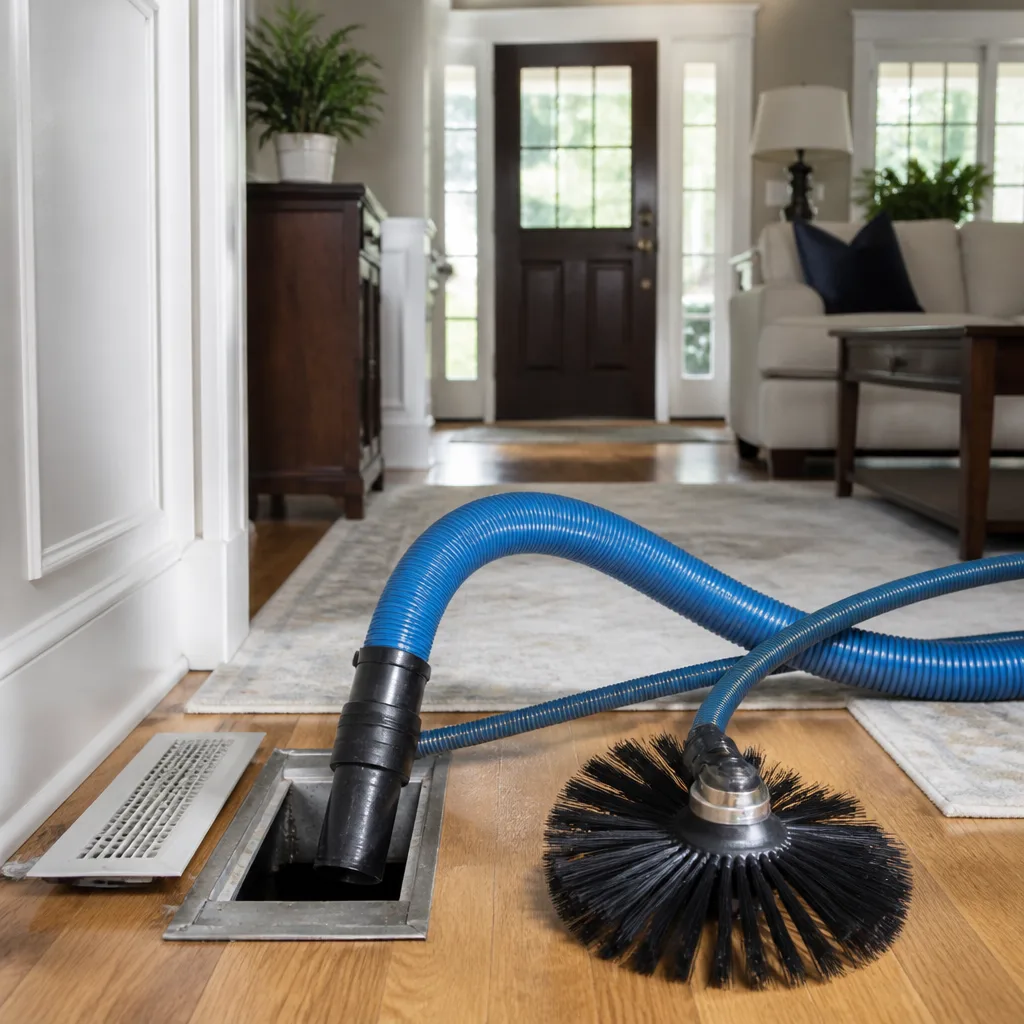 Whole-home duct cleaning
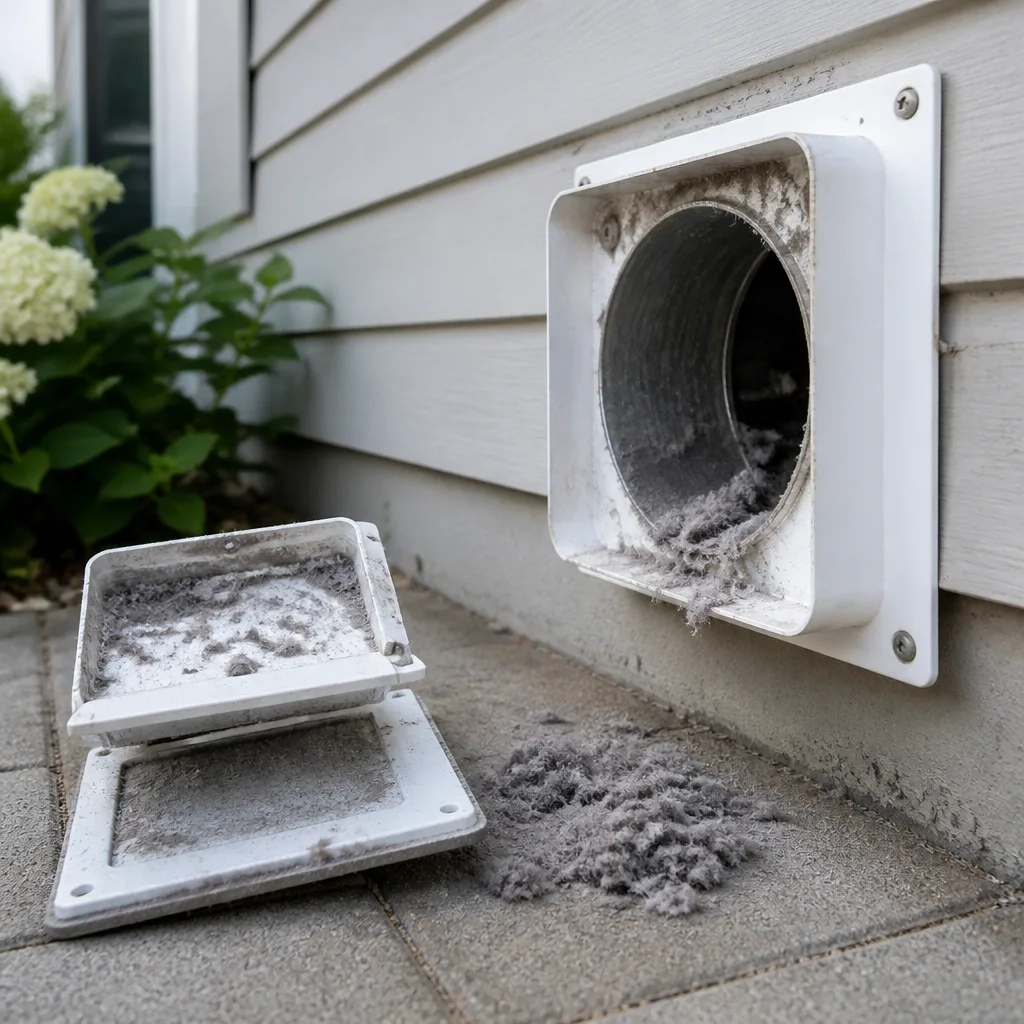 Dryer vent cleaning
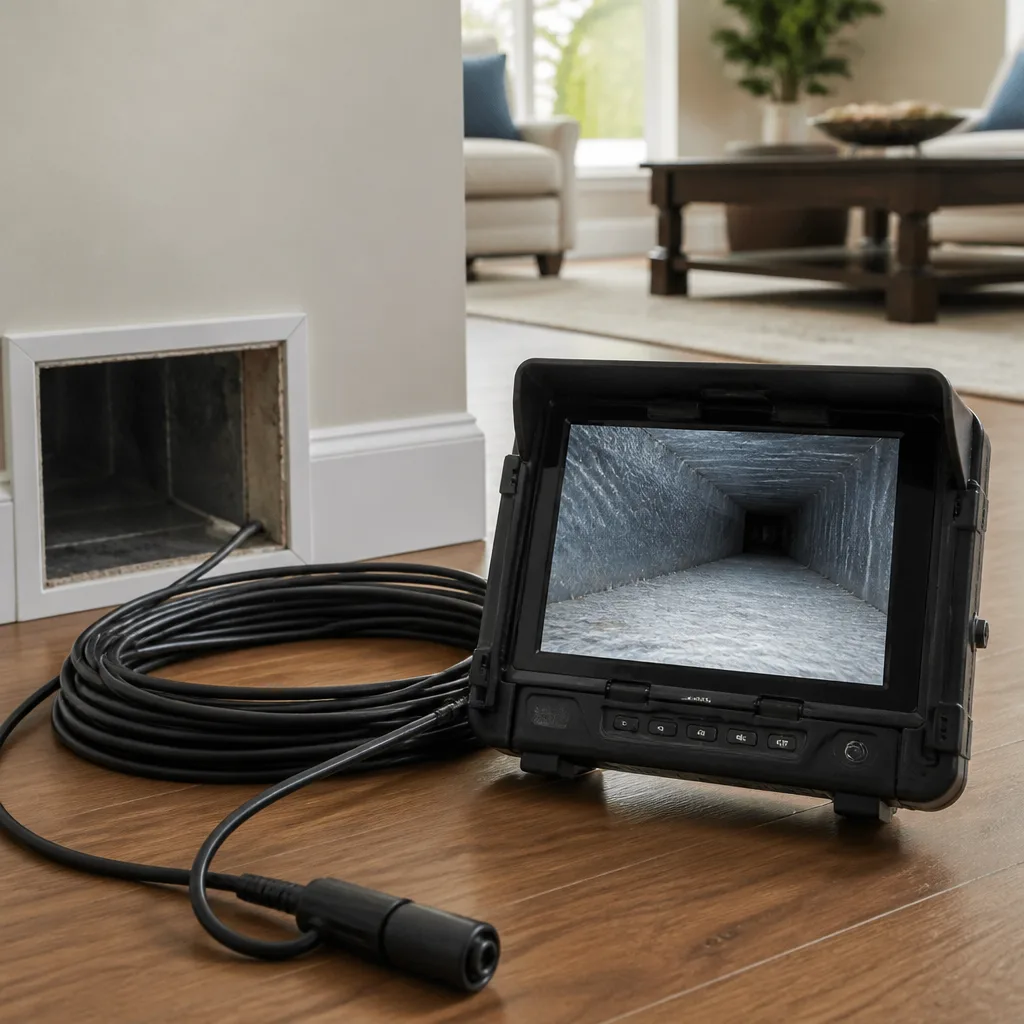 Camera inspection
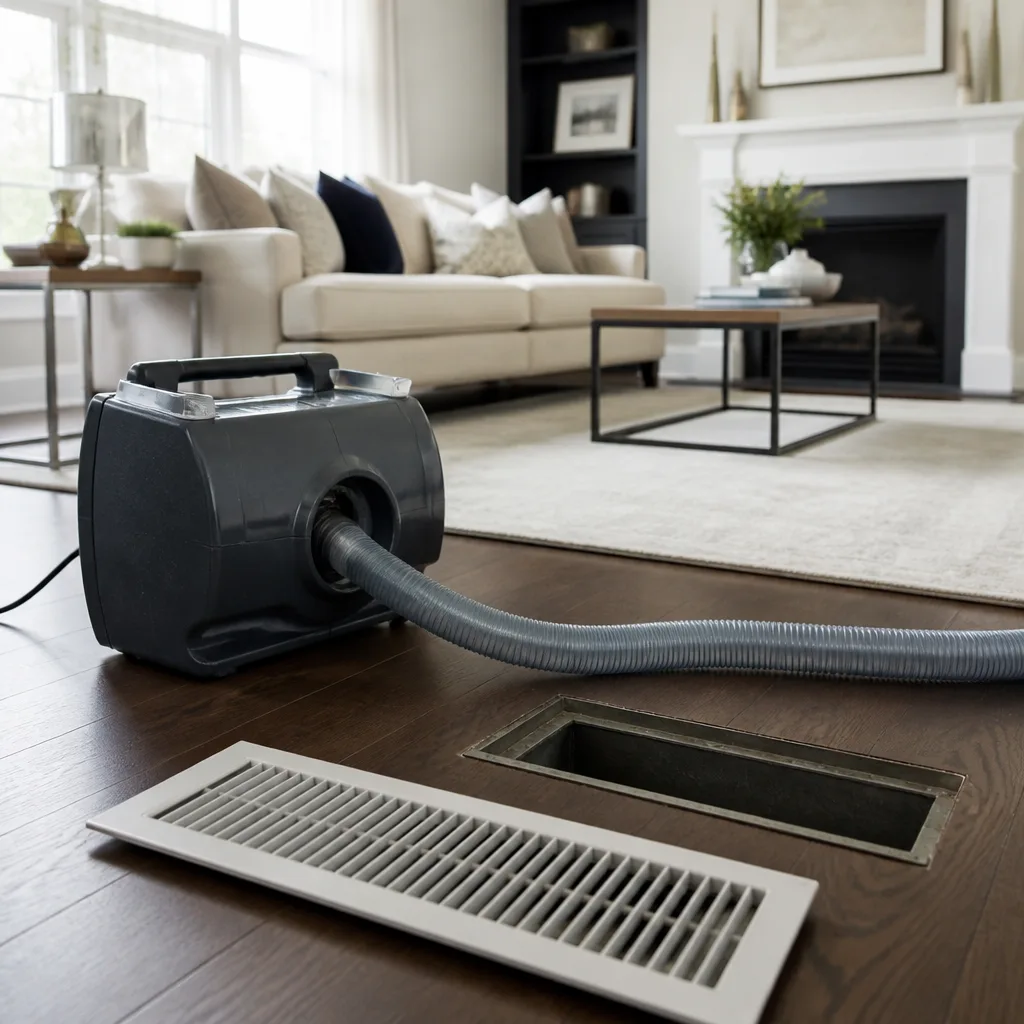 Sanitizing & deodorizing
Whole-system duct and dryer vent check with before-and-after photos - you see exactly what came out of your vents
That "$99 whole-house special" is a bait ad - the real number appears once they are in your hallway, or the "clean" is a shop-vac at the register. We photograph the inside of your ducts before and after instead.
Air Duct Cleaning Permits, Codes & Inspections in Reno, NV: What You Need to Know
Here’s the part that surprises most homeowners: air duct cleaning itself usually needs no permit in Reno, but the repair that often follows it can. When a contractor finds a disconnected run or a collapsed flex section during cleaning and seals or replaces it on the spot without documentation, that repair lands in a gray zone. It might work fine for years, then surface as a question on a home inspection report when you sell. This guide walks through what Nevada statutes and Washoe County mechanical code actually say, when duct work crosses into permitted territory, and how to keep a clean paper trail for your home file.
Quick Answer
Routine air duct cleaning in Reno does not require a building permit because it’s maintenance, not construction or alteration. Duct repair, sealing that changes the system, or replacing duct runs can fall under Washoe County mechanical permit rules and generally need a licensed mechanical contractor to pull the permit. Always confirm the contractor’s Nevada license class and ask whether the job triggers a permit before work starts.
Styles & brands we work with
- Whole-home duct cleaning
- Dryer vent cleaning
- Camera inspection
- Sanitizing & deodorizing
Table of Contents
- Cleaning vs. Repair: Where the Permit Line Sits in Nevada
- What Nevada Revised Statutes and Washoe County Code Say
- When Duct Sealing or Repair Crosses Into Permitted Work
- What a Code-Compliant Duct Repair Looks Like
- How to Document Contractor Work for Your Home File
- Questions to Ask a Contractor About Their License and Scope
- Why Reno’s High Desert Climate Makes Duct Integrity Matter
- What an Inspector Looks For at Resale
Cleaning vs. Repair: Where the Permit Line Sits in Nevada
Most homeowners in Reno assume any duct work is “cleaning” and therefore permit-exempt. That’s true up to a point. Cleaning is defined as removing debris, dust, and biological growth from inside an existing duct system without altering its configuration, materials, or airflow characteristics. No structural change means no permit.
Repair is different. The moment a technician cuts out a section of flex duct, replaces a boot, reroutes a run, seals a major leak with mastic and mesh, or installs new ductwork, the work becomes a mechanical alteration. In most jurisdictions, including Washoe County, that triggers a mechanical permit and inspection. Here’s the practical distinction:
- Cleaning only: Rotobrush agitation of interior surfaces, Nikro HEPA extraction, no cutting or replacing duct materials. Usually no permit.
- Sealing a small joint: A dab of mastic on a loose collar typically doesn’t require a permit, but document it.
- Replacing a length of flex duct: Almost always permits-required mechanical work.
- Rerouting or adding a register: Permitted mechanical alteration.
- Full system replacement: Permitted, inspected, licensed contractor required.
For a broad overview of what cleaning involves, see our page on air duct cleaning.
What Nevada Revised Statutes and Washoe County Code Say
Nevada Revised Statutes Chapter 624 sets the framework for contractor licensing and defines who can bid on and perform construction work, including mechanical work performed on a home. Washoe County adopts the International Mechanical Code (IMC) as its local standard, and the IMC treats duct systems as regulated components of a mechanical system that must meet material, sealing, and support requirements. The two work together: NRS says who’s allowed to do the work; the county code says how the work must be built and inspected.
Three points trip up Reno homeowners most often:
- Licensing class matters. A general handyman license doesn’t cover mechanical duct work. Nevada issues mechanical licenses (Class C-21 and related) for this scope. Ask to see the license number and check it against the Nevada State Contractors Board.
- Washoe County requires a permit for mechanical alterations. Small repairs may fall under a threshold, but the county’s building department is the final authority. Call them directly with the scope of your job if you’re unsure.
- Inspections follow permits. If a permit is pulled, an inspector will look at the work before the job is signed off. That inspection record becomes part of the property’s paper trail.
None of this is meant to scare you off repairs. It’s meant to keep you from buying a repair that won’t survive a resale inspection. If you’re shopping for service in Reno, understanding the licensing layer is half the battle.
When Duct Sealing or Repair Crosses Into Permitted Work
The line between “a technician tightened a joint” and “the technician altered the mechanical system” is where most homeowners get stuck. Here’s a rough guide based on typical Washoe County interpretation, though you should always confirm with the building department for your specific address.
Usually no permit needed
- Cleaning and debris removal (any quantity)
- Re-securing a loose duct collar with existing hardware
- Applying mastic to a small visible leak on accessible ductwork
- Replacing a damaged register grille without changing the boot
Permit almost always required
- Cutting out and replacing a section of rigid or flex duct
- Adding or removing a supply or return run
- Sealing an entire trunk line with mastic and mesh wrap
- Rerouting ductwork to solve an airflow problem
- Replacing the boot where duct meets the floor or wall
- Any duct work inside a wall cavity or crawlspace that alters the system layout
If the scope of a repair looks like it’ll need a permit, a licensed mechanical contractor should pull it and schedule the inspection. A contractor who won’t pull a permit for permitted work is telling you something about how they operate. Our team performs duct cleaning in Reno and repairs in-scope during the same visit, and we document what we find so you’re never guessing later.
What a Code-Compliant Duct Repair Looks Like
A code-compliant duct repair is visible, documented, and built to last. Here’s what a proper repair actually looks like compared with a field improvisation that may fail inspection.
Compliant repair
- Proper materials. UL-181 listed foil-tape or mastic, not “duct tape” (the cloth kind, which fails within a couple of Reno summers).
- Mechanical fastening first. Screws or zip ties secure the joint before any sealant is applied. Sealant alone doesn’t carry structural load.
- Three-inch minimum overlap. Flex duct is joined with at least three inches of overlap and supported at code-required intervals.
- Mastic and mesh on major leaks. Larger gaps get reinforced with fiberglass mesh embedded in mastic, not a single bead.
- Photographic record. Before-and-after photos of every repaired joint. Without these, the repair is unverifiable at resale.
- Written scope of work. A one-page memo listing what was found, what was repaired, and what materials were used.
Common field improvisation
- Cloth duct tape wrapped around a joint and called “sealed”
- Flex duct sagging more than the IMC allows because nobody supported it
- Mastic smeared over a torn flex section instead of replacing it
- Aluminum foil tape alone on a joint that needed mechanical fastening
- No documentation beyond a handwritten receipt
Dryer vents have their own safety dimension. We treat dryer vent cleaning as a fire-prevention service rather than an afterthought, because lint buildup is the leading cause of dryer fires in the U.S. and clogged vent lines cause the same documentation problems as duct improvisation if a claim is ever filed.
How to Document Contractor Work for Your Home File
A duct repair that isn’t documented is a repair that didn’t happen when you sell last. Home inspectors look for signs of unpermitted work, and unpermitted work is a common negotiation point at resale. Here’s what belongs in your home file after any duct service in Reno.
- Contractor’s written estimate and invoice. Description of scope, materials used, and price. Free estimates from a legitimate contractor will match the final invoice unless you approved a change order.
- License number on the paperwork. The invoice should show the Nevada contractor license number. If it doesn’t, ask for one that does.
- Permit number and inspection record (if a permit was pulled). The county inspection sign-off is the strongest documentation you can hold.
- Before-and-after photos. Both of the whole system and of any specific repair joints. Insist on seeing them, not just hearing that cleaning was done.
- Materials list. Which sealant, which tape, which duct material. This matters at resale if the inspector asks.
- Airflow notes. Any measured changes in airflow at registers, if the contractor provides them. Rotobrush and Nikro-grade documentation often includes this.
Store everything digital and paper. A folder titled “HVAC repairs” in your home file will save hours of confusion if you ever sell, file an insurance claim, or hire a new contractor who needs to understand what’s already been done.
Questions to Ask a Contractor About Their License and Scope
Nevada contractor licensing is specific about scope. Asking the right questions before hiring separates a legitimate mechanical contractor from a cleaner who’s willing to try. Consider this list your due-diligence script.
- What license class do you hold? You’re looking for a mechanical license (Class C-21 or equivalent) if repair work is on the table.
- Is your license active and in good standing? Ask for the number and check the Nevada State Contractors Board directly.
- Are you insured and bonded? Ask for proof. Any legitimate contractor should provide it without hesitation.
- Do you pull permits when the scope requires it? If they say “we don’t need to,” ask why in writing.
- If you find a repair during cleaning, what happens? Best answer: they document it, tell you before doing anything, and either fix it in-scope with a written update or schedule a return visit for permitted work.
- What does the written estimate cover? Confirm whether repair work is priced separately or included.
- Will you provide before-and-after photos? A contractor using Rotobrush agitation and Nikro HEPA extraction has the equipment to document every stage.
These questions work for any trade, but they’re especially important for duct work because the repair is invisible once the grille goes back on. Full disclosure beats a confident handshake.
Why Reno’s High Desert Climate Makes Duct Integrity Matter
Reno sits at about 4,500 feet in the rain shadow of the Sierra Nevada, which means dry summers, dry winters, and dramatic temperature swings between afternoon and overnight. That swing matters for duct systems more than most homeowners realize. Flex duct expands and contracts with temperature changes; sealant and tape take that stress year after year. A joint that was “probably fine” in a milder climate can open up faster here.
Two local consequences:
- Summer dust and smoke intrusion. Wildfire smoke during fire season finds every leak. A disconnected duct run in a Sparks or South Reno home lets smoke bypass the filter entirely. Duct integrity isn’t cosmetic in Reno, it’s how your indoor air stays indoors.
- Winter pressure differentials. The temperature swing between day and night creates pressure changes that stress seals and joints. Small leaks grow. Documentation of a proper repair lets you find them faster on the next round.
Aprilaire and Honeywell whole-home filtration and humidity systems sit downstream of all this. If ductwork leaks, that equipment is filtering air that already went around the filter. We work with those systems frequently, and the first thing we look at is duct integrity before touching filtration.
What an Inspector Looks For at Resale
Home inspectors in Reno aren’t looking for reasons to fail your sale. They’re looking for signs of unpermitted work that could become a liability. Duct systems are a common finding. Here’s what draws their attention.
- Mismatched duct materials with no explanation in the file. New flex duct spliced into old rigid is fine if documented; undocumented, it reads as DIY.
- Visible sealant jobs without permits. Heavy mastic on trunk lines with no permit record raises the question of who did it and whether it was inspected.
- Sagging flex duct. The IMC has support spacing requirements, and sagging flex is a standard finding.
- Disconnected or crushed runs. Often found in crawlspaces and attics, and often undocumented.
- Register airflow issues. A register with chronically weak airflow can point to a broken run, or to a repair that was done wrong.
None of these are catastrophic. But an inspector who flags them turns your closing into a negotiation. A clean home file with permits, photos, and license numbers lets you answer every question in a single document.
Common Mistakes to Avoid
- Assuming duct repair never needs a permit. It often does under Washoe County mechanical code. Confirm with the building department before work starts.
- Hiring a cleaner who’s willing to do mechanical work anyway. Cleaning and mechanical repair are different scopes, and the license should match. Ask for the number.
- Not asking for before-and-after photos. Photos are the only proof of work inside your ducts. A contractor who won’t provide them is hiding something.
- Skipping the paper trail. A handwritten receipt isn’t documentation. Keep the estimate, invoice, license number, and photos in one folder.
- Letting a “quick repair” happen without a documented change order. If the scope changes when the technician is on site, you should get a written update before the work proceeds.
- Ignoring dryer vent documentation. Dryer vent work needs its own paper trail, especially if a fire claim ever comes up.
- Overlooking Aprilaire and Honeywell system interactions. Duct repairs interact with whole-home air quality equipment. Confirm the technician knows how they connect, not just the duct in isolation.
See the difference
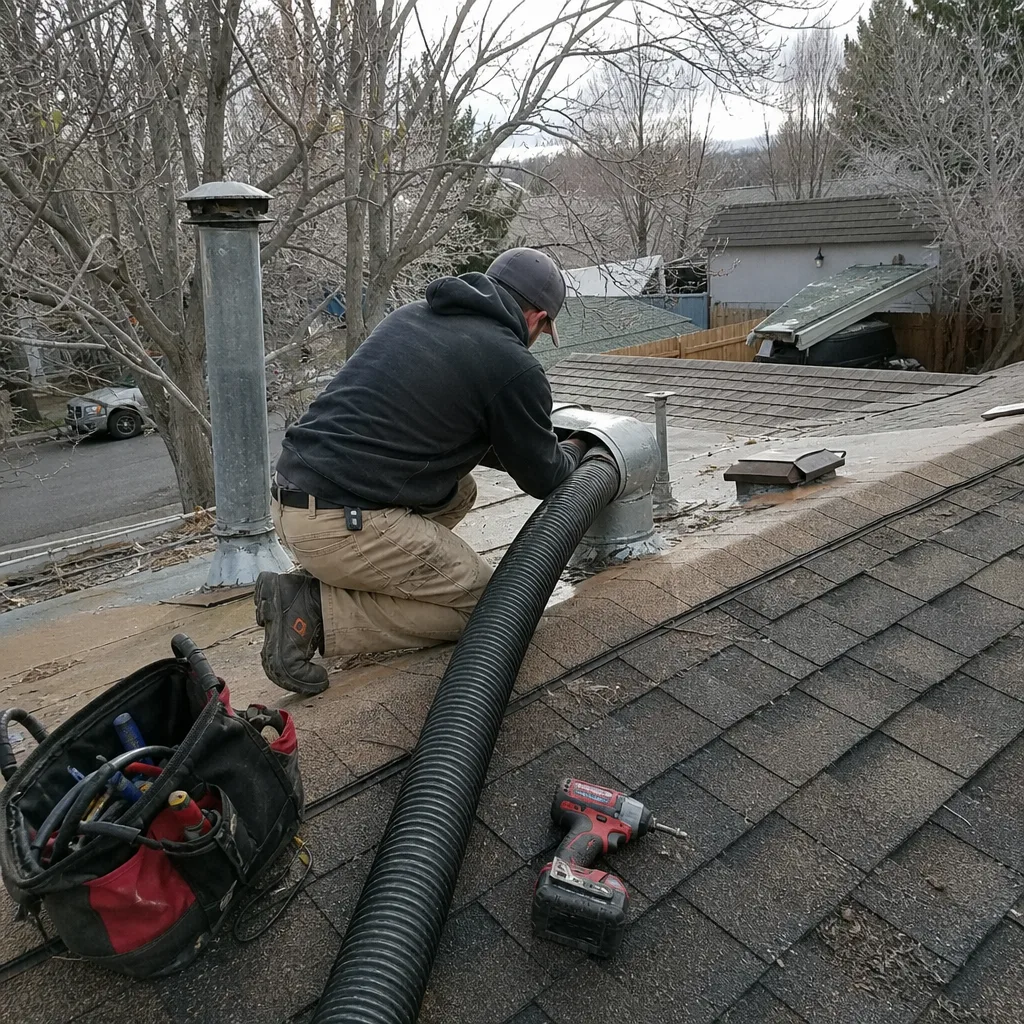 Before
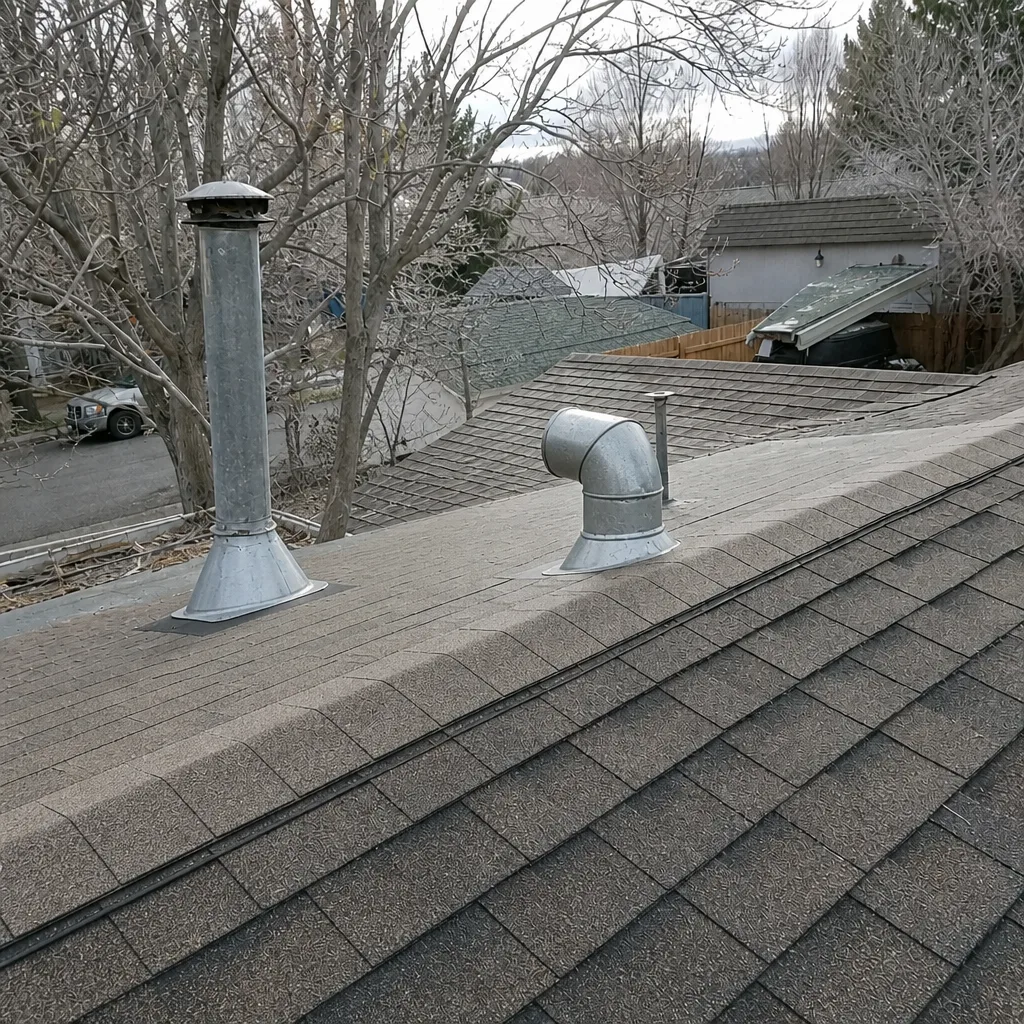 After
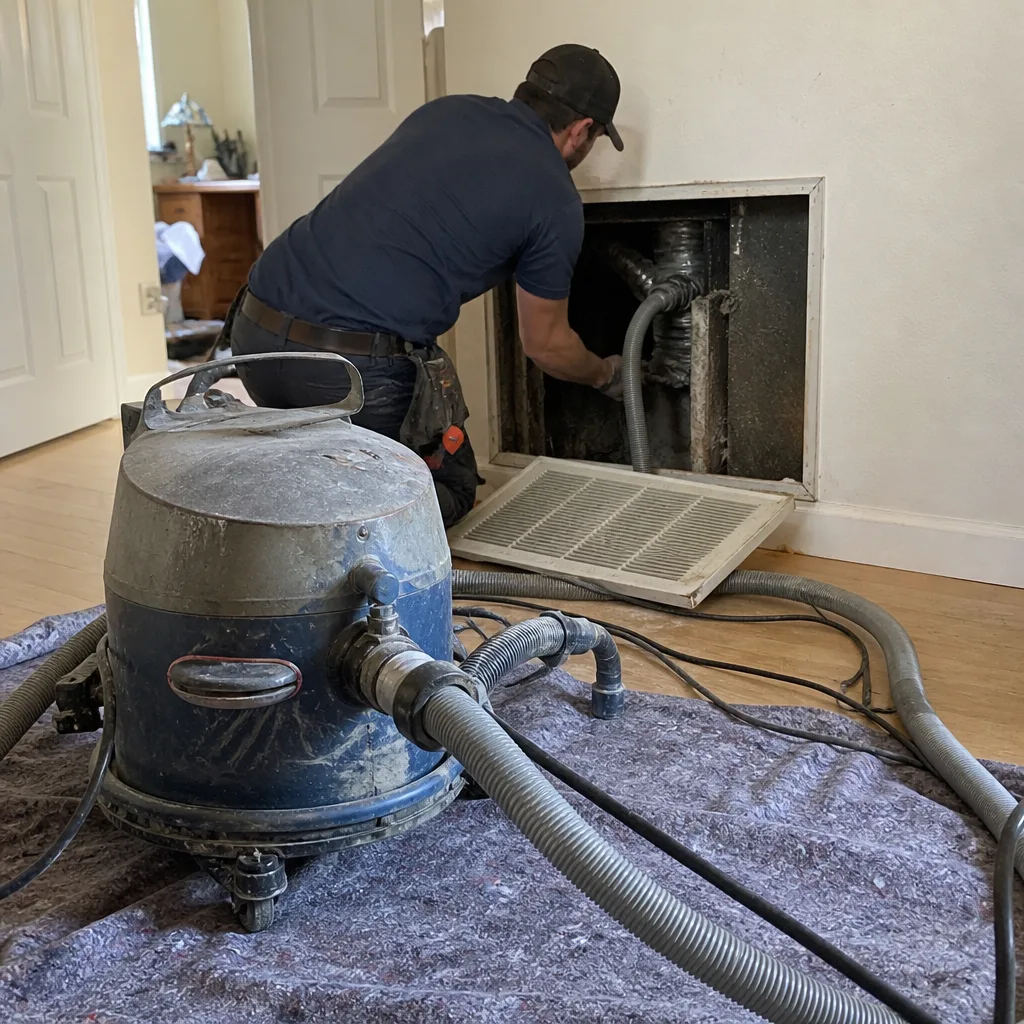 Before
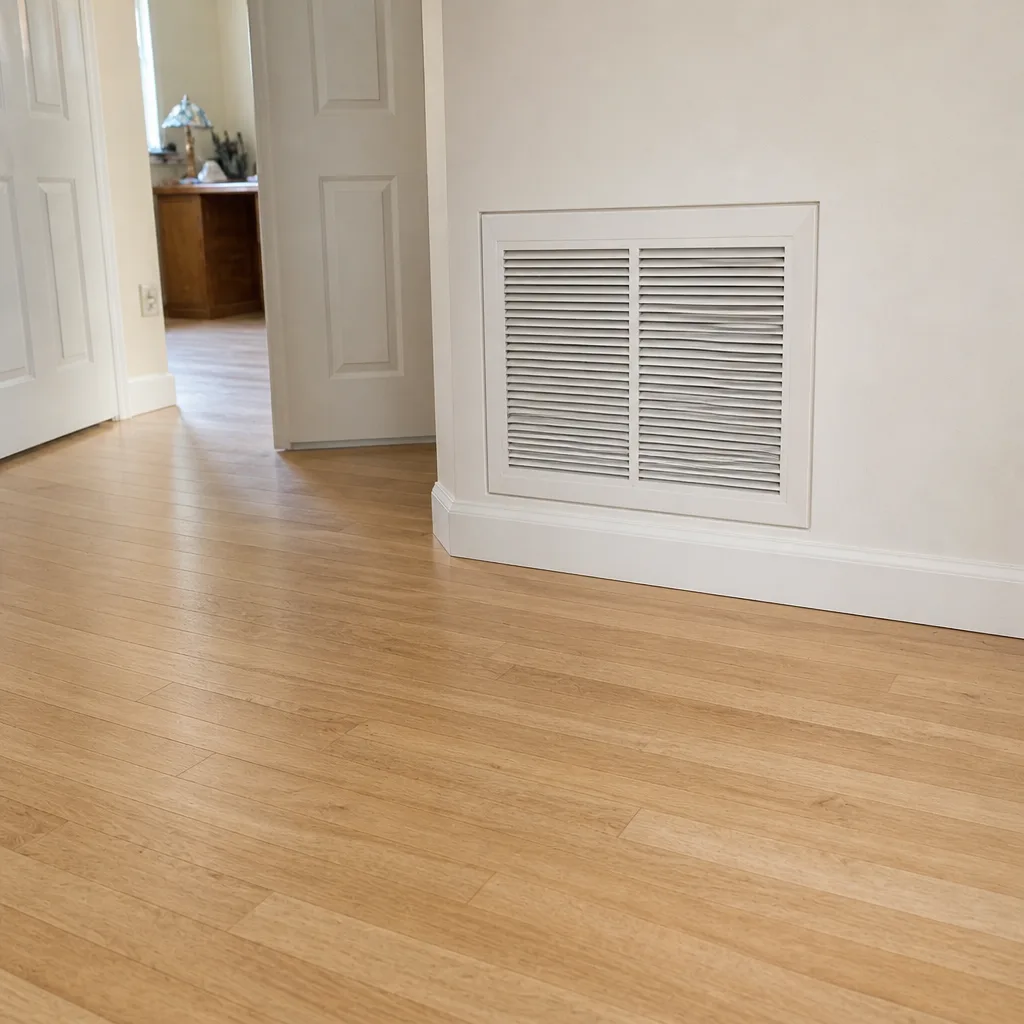 After
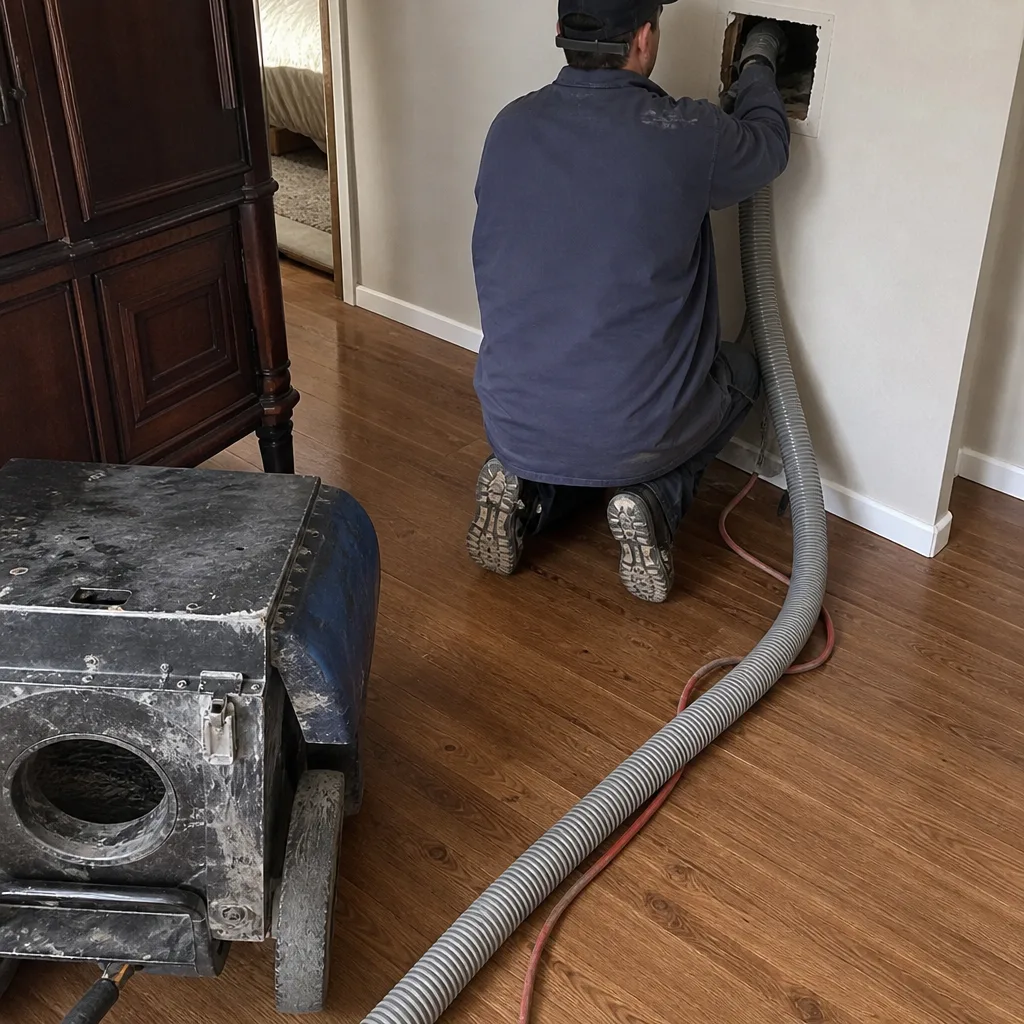 Before
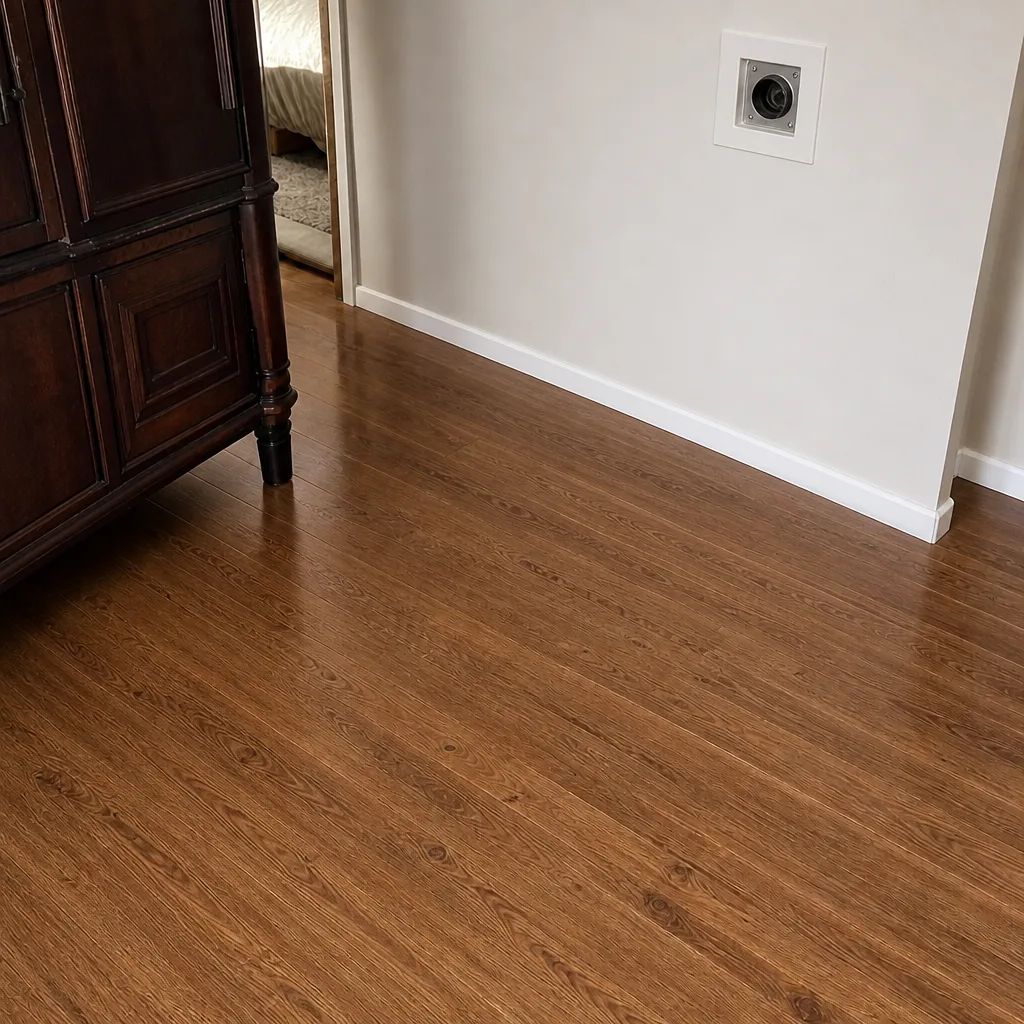 After
When to Call a Professional
Some duct problems are safe for a homeowner to inspect visually and no more. Others you should call on immediately: visible tears in flex duct in the attic or crawlspace, a run that popped loose from a register boot, or a system that stopped delivering airflow to one or more rooms. Any duct repair that involves cutting into the ductwork or moving a run needs a licensed mechanical contractor and possibly a permit. If you’ve never had your ducts cleaned and you live in an older Reno home, a cleaning visit is also a diagnostic visit: we find loose joints and disconnected runs that invisible leaks hide. Duct Cleaning Reno offers free estimates in Reno. Call (866) 361-7643. We answer 24/7. Fast dispatch from 7am to 7pm, Sunday through Friday.
Frequently Asked Questions
No. Routine air duct cleaning in Reno is maintenance work and doesn’t require a building permit. The line moves the moment the job includes cutting, replacing, or rerouting ductwork, which becomes permitted mechanical alteration under Washoe County code. Confirm with the county building department if a repair is on the table. Call (866) 361-7643 for a free estimate and we’ll help you sort out which jobs need permits.
Technically yes for light cleaning with consumer equipment, and no permit applies. In practice, a homeowner-accessible vacuum can’t reach the inside of duct runs the way Rotobrush agitation and Nikro HEPA extraction can, and any repair you discover along the way becomes licensed work. Most homeowners end up calling a professional for the cleaning and repair together. Call (866) 361-7643 to talk through what your system needs.
A Nevada mechanical contractor license is the standard for duct repair and replacement. Handyman and general contractor licenses typically don’t cover mechanical duct work in Nevada. Ask any contractor for their license number and verify it through the Nevada State Contractors Board before scheduling. If they can’t produce one, call us instead: (866) 361-7643.
Cleaning removes debris without altering the system, so no permit is required. Repair cuts, replaces, reroutes, or re-seals ductwork in a way that changes the mechanical system, and that usually requires a permit and inspection under Washoe County code. Document both, but only one carries an inspection record. Call (866) 361-7643 for a free estimate on either.
Not for routine repair, but you should keep the paperwork in your home file in case a future claim touches the HVAC or indoor air. A clean file with license numbers, photos, and any inspection records protects you if an inspector or adjuster asks. If the repair followed a fire, water, or smoke event, call your insurer before commissioning work. Call (866) 361-7643 for a free estimate once you’re ready to proceed.
It can, if the buyer’s inspector flags it. Reno real estate moves fast, and unpermitted mechanical work is a common finding that turns into a closing credit. Document every repair, keep permit records when they exist, and the question is easy to answer at inspection. Call (866) 361-7643 for documentation you can hand to any inspector.
The Bottom Line
Air duct cleaning in Reno doesn’t require a permit, but the repair that often follows it can. Washoe County mechanical code treats duct replacement, rerouting, and major sealing as permitted work, and Nevada licensing rules require a mechanical contractor to perform it. Ask for a license number, ask whether a permit is needed, insist on before-and-after photos, and keep every document in a home file. That paper trail is what protects you at resale, protects you in an insurance claim, and proves that a repair was done to standard rather than improvised in a crawlspace. Our technicians have up to 15 years of experience with the equipment that makes documentation possible.
Contact
If you have questions about permits, codes, or documentation before scheduling duct work in Reno, call us. We’ll walk through what your specific job likely requires and quote it honestly. Call (866) 361-7643 for a free estimate. We answer 24/7. Fast dispatch from 7am to 7pm, Sunday through Friday.
Written by the team at Duct Cleaning Reno.