
Last updated November 15, 2026
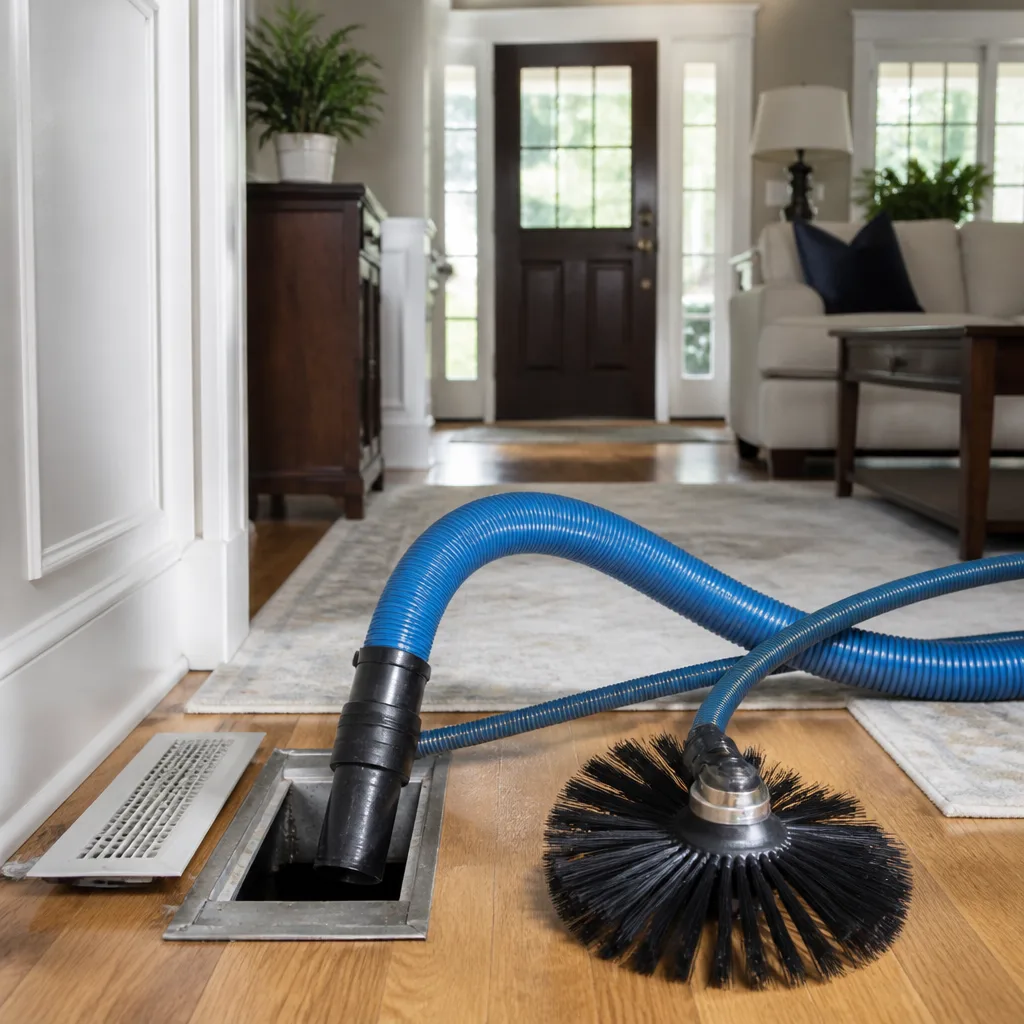 Whole-home duct cleaning
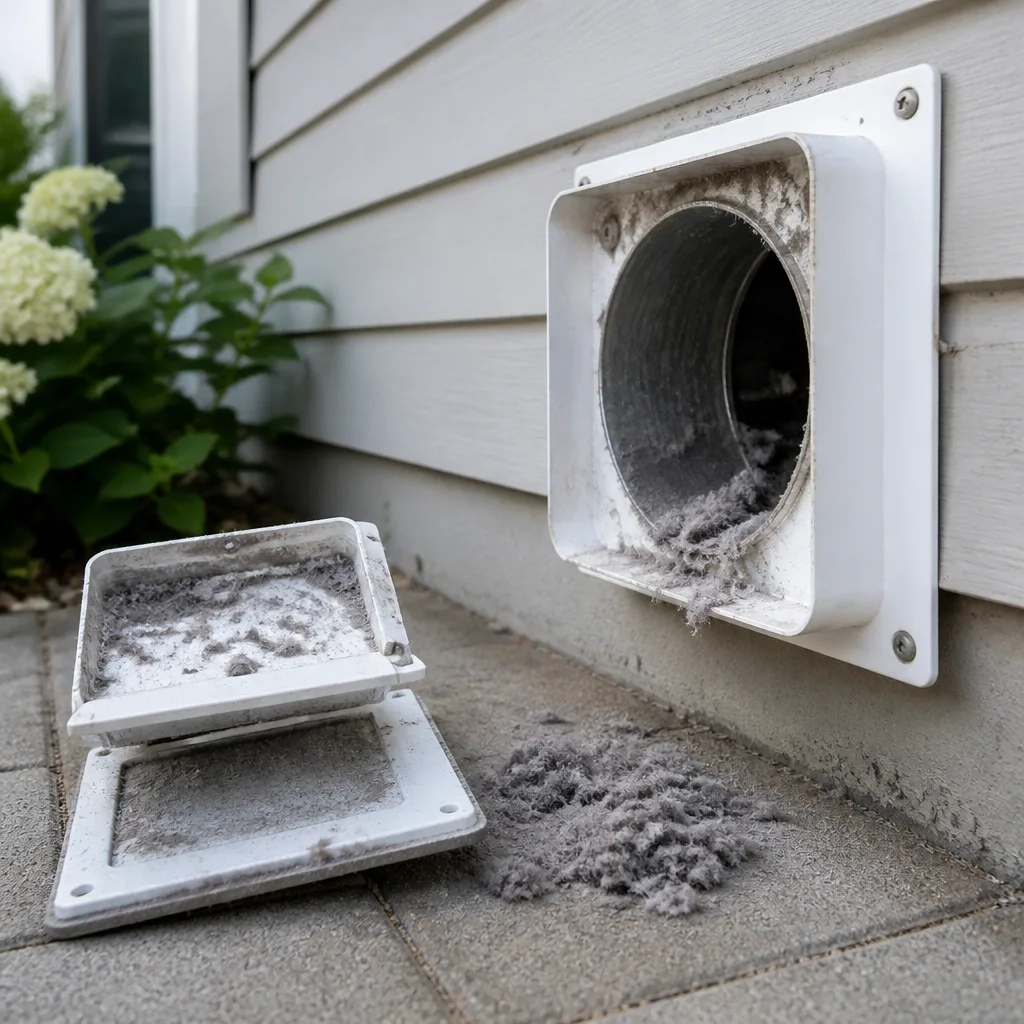 Dryer vent cleaning
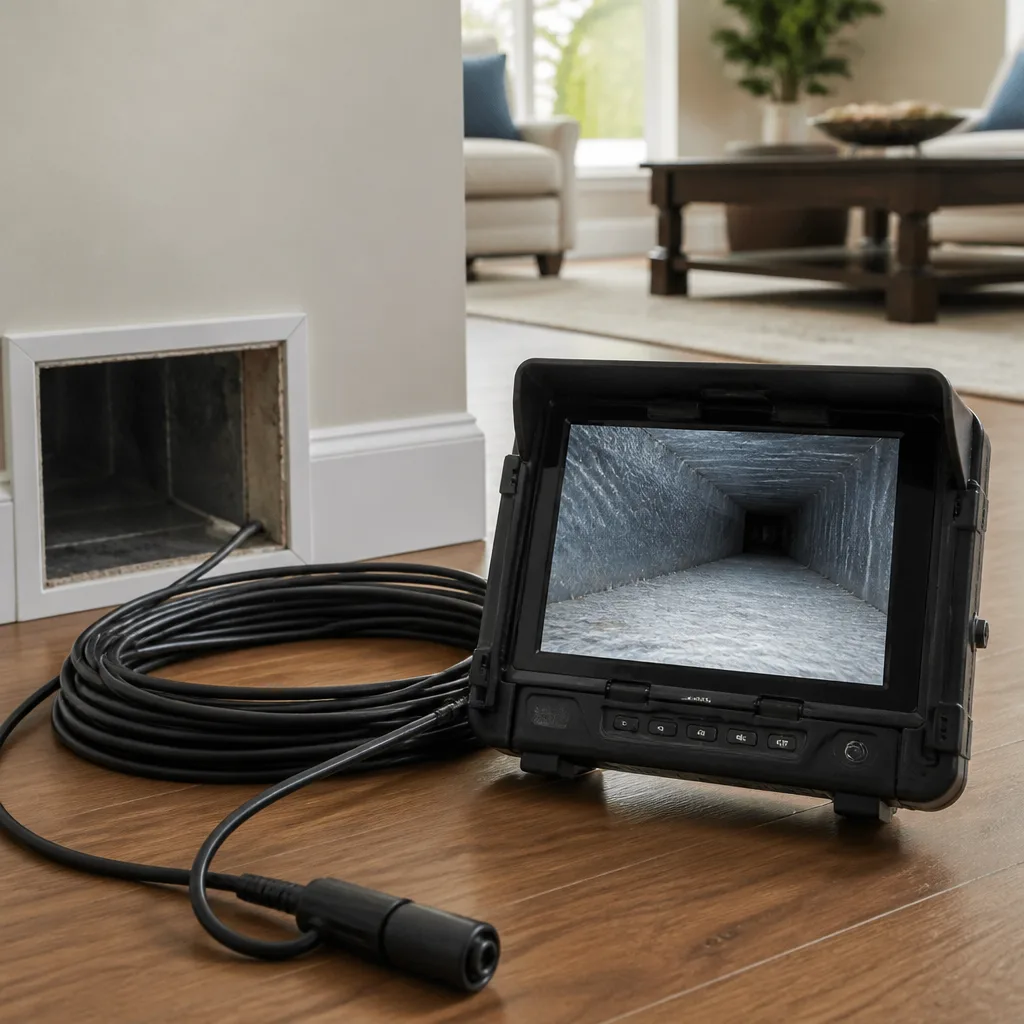 Camera inspection
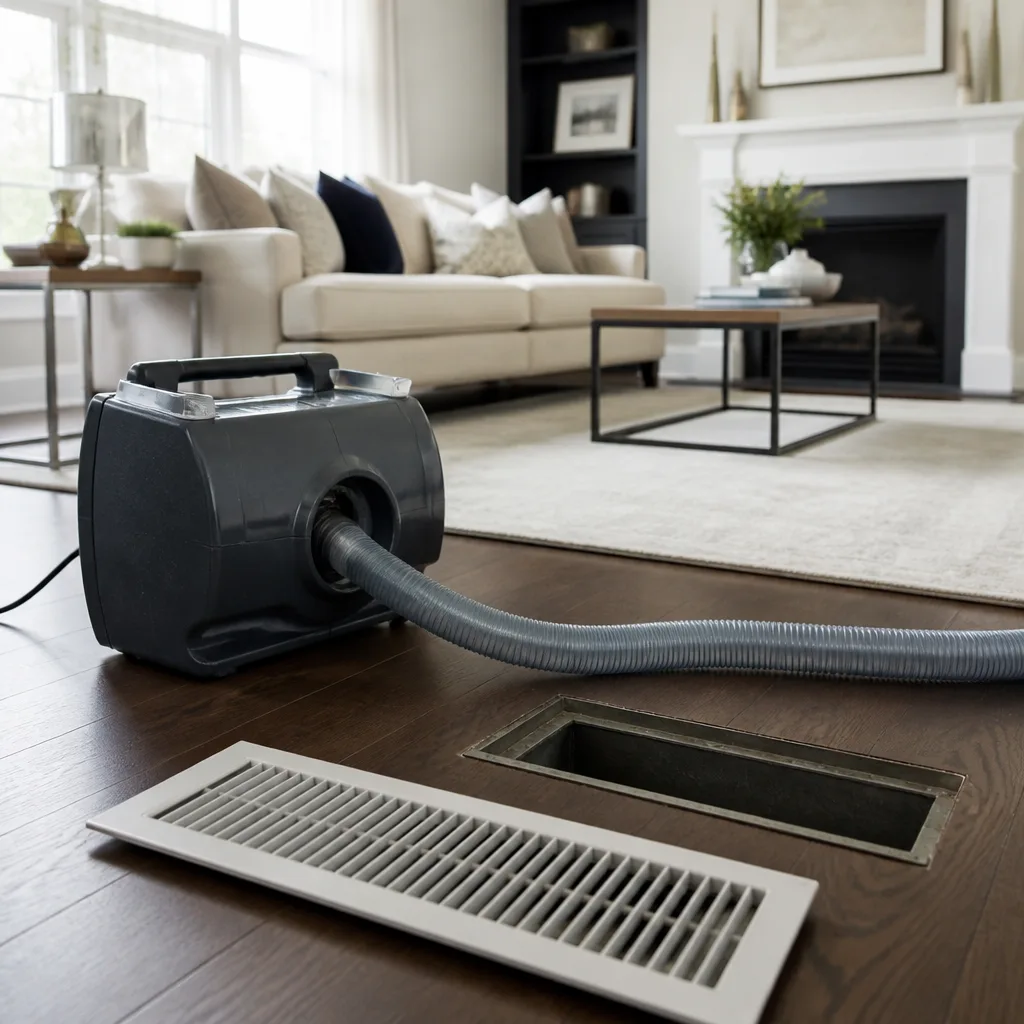 Sanitizing & deodorizing
Whole-system duct and dryer vent check with before-and-after photos - you see exactly what came out of your vents
That "$99 whole-house special" is a bait ad - the real number appears once they are in your hallway, or the "clean" is a shop-vac at the register. We photograph the inside of your ducts before and after instead.
How to Hire an Air Duct Cleaning Contractor in Reno: A Step-by-Step Guide
There is no licensing requirement for duct cleaning in Nevada. That means the company quoting a low flat rate for a whole-house cleaning and the company deploying commercial HEPA extraction equipment are competing on the same search results page with nothing to tell them apart, except what you ask. Most homeowners don’t know what to ask. They book on price, and price is the one thing that tells you almost nothing about what will happen in your attic and crawlspace. This guide walks through the exact questions, red flags, and paperwork that separate a contractor who cleans your ducts from one who runs a vacuum over the register and leaves. You’ll leave knowing how to vet a contractor and what proof to demand, whether your house sits off Mount Rose Highway or down in the valleys near the Truckee.
Quick Answer
To hire an air duct cleaning contractor in Reno, ask three equipment questions before you book: what extraction unit they use, what HEPA rating it carries, and how they maintain containment during the job. Request a written scope of work before any work starts, and expect before-and-after documentation when it ends. A contractor who can answer those three questions with specific equipment names and process detail is worth the call; one who can only quote a flat price is not.
Styles & brands we work with
- Whole-home duct cleaning
- Dryer vent cleaning
- Camera inspection
- Sanitizing & deodorizing
Table of Contents
- Why Reno Has No Licensing Requirement, and What That Means for You
- The Three Equipment Questions to Ask Before Booking
- Red Flags in a Duct Cleaning Quote
- How to Verify a Contractor’s Process Claim
- What NADCA Membership Means, and What It Doesn’t
- Post-Job Deliverables a Professional Contractor Should Provide
- Reno-Specific Factors That Change the Job
- Common Mistakes to Avoid
- When to Call a Professional
Why Reno Has No Licensing Requirement, and What That Means for You
Nevada does not license air duct cleaning as a trade. There is no state exam, no minimum equipment standard, and no continuing education requirement standing between a person with a van and your HVAC system. That is not a knock on the trade, but it is the starting fact of every hiring decision you make in Reno. Licensure is one of the few filters that separates a professional from an operator who watched a video and bought a machine.
What compensates for the absence of a license is documentation. A contractor working to a standard will tell you what equipment they use, what the extraction is rated to capture, and how they keep dust from migrating through your house while they work. They will put those commitments in writing before they start. When you’re comparing quotes, ask yourself whether the person on the phone can describe their equipment by name or only by adjective. “Professional-grade equipment” is an adjective. “Nikro HEPA-rated extraction” is a name. The name tells you the machine can capture particles down to 0.3 microns. The adjective tells you nothing.
You’ll also want to ask about insurance. Because there’s no state board to verify it for you, ask directly for a certificate of insurance and confirm the policy is current. A legitimate contractor will provide it without hesitation. The same goes for business registration and any warranty they offer on the work.
One more thing about Reno specifically: the local market includes independent operators, franchise outfits, and HVAC companies that add duct cleaning as a side service. Each has a different process standard. The only way to know what you’re getting is to ask the same three questions of every one of them. We’ll get to those next.
The Three Equipment Questions to Ask Before Booking
If you remember nothing else from this guide, remember these three questions. Ask every contractor the same way, and listen to whether the answer is a name or a shrug.
- What extraction unit do you use? Ask for the brand and model. A serious contractor will name it without hesitation. Rotobrush is one name you’ll hear from contractors using mechanical brushing as the primary agitation method; Nikro is another you’ll hear from contractors using HEPA-rated vacuums for extraction. If the answer is “a shop vac,” you’ve learned everything you need to know about the price they quoted.
- What HEPA rating does the extractor carry? HEPA-rated equipment captures fine particulate down to 0.3 microns. A consumer vacuum captures visible dust and blows the rest back into the air. This is the single biggest difference between a cleaning and a dust redistribution event.
- How do you maintain containment during the job? Negative-air equipment keeps contaminants from migrating into living space while the work is happening. Ask whether they use it, and what brand. Abatement Technologies is a common name in that category. If they can’t answer or don’t use containment, ask what keeps your kitchen from filling with dust while they work.
The answers aren’t the point by themselves. The point is which questions they can answer without reaching for a brochure. A contractor who works with this equipment daily will describe it in the same tone you’d describe your own car. A contractor who doesn’t will pivot to the price.
Red Flags in a Duct Cleaning Quote
The duct cleaning industry’s bait-and-switch problem is not a stereotype. It’s a business model, and it works because most homeowners don’t know what a real quote should contain. Here’s what to look for.
- A flat whole-house price that doesn’t account for duct count. A 1,200 square foot house in the Old Southwest and a 3,400 square foot house out in Somersett do not have the same number of duct runs. A quote that doesn’t ask about your square footage, your system type, or your number of registers isn’t pricing your job. It’s pricing a headline.
- Antimicrobial fogging as the featured service. Some quotes lead with an antimicrobial fog as the main event. Fogging is a surface treatment; it does not remove debris from the duct interior. When the fog is the headline, cleaning is the afterthought. Ask what the mechanical agitation step is. If there isn’t one, you’re buying scented air, not clean ducts.
- No mention of containment. If they plan to run a vacuum through your system without a containment strategy, expect dust to settle in places you’ll find later. Ask directly: “How do you keep dust out of my living space while you work?”
- Pressure to decide on the call. A legitimate contractor is happy to send a written scope and let you compare. Pressure signals that the sales pitch is the product.
- No written scope before work starts. If they can’t put the plan in writing, there’s no way to verify what you paid for once they’re gone.
- “We’ll inspect it when we get there” as the answer to every question. Some discovery is normal. Using “we’ll find out” as a way to avoid committing to scope in writing is not.
If you’re worried about a quote you’ve already received, call us and we’ll walk you through what to ask. Our estimates are free.
How to Verify a Contractor’s Process Claim
Any contractor can claim a process. Verifying it is the homeowner’s job, and it’s easier than it sounds. A legitimate scope of work document is short, specific, and describes what will happen, not what the result will feel like. Here’s what it should contain.
- Equipment by name and model. Not “professional equipment” and not “state-of-the-art vacuum.” Rotobrush, Nikro, Abatement Technologies, and similar brand names should appear if the contractor actually uses them. If the document is vague on equipment, ask for specifics in writing before booking.
- System inventory. How many supplies and returns are being cleaned? What type of system is it? This is the reason a flat-rate quote isn’t honest: the scope has to match your actual layout.
- The cleaning sequence. Mechanical agitation first, then extraction, then containment check. If a scope lists “fogging” as step one, ask where the mechanical agitation appears.
- Repair findings clause. A contractor who repairs duct work in-scope will note in the scope that findings during the job may produce recommended repairs. A contractor who only cleans will leave damage alone or not look for it.
- Deliverables listed. Before-and-after documentation, a findings summary, and any repair recommendations should be part of the scope, not a follow-up you have to ask for.
If a contractor can’t produce a scope like this, treat the quote as a bid for a service, not a plan for your home. For context on what a cleaning actually involves once it’s underway, our air duct cleaning page walks through the sequence step by step.
What NADCA Membership Means, and What It Doesn’t
NADCA stands for the National Air Duct Cleaners Association. Membership is a useful signal, but it’s not a guarantee. Understanding what it actually certifies will keep you from placing too much weight on a logo and too little on the equipment questions above.
What NADCA membership suggests:
- The contractor has committed to an industry association’s code of ethics and assessment standards.
- They’ve likely had access to training on duct cleaning fundamentals and assessment.
- They’ve agreed to operate under a defined standard of care for duct systems.
What it doesn’t tell you:
- Which equipment they deploy on a given job. A member can still show up with a weaker setup than a non-member.
- Whether the same crew that did the certified work is the crew showing up at your house.
- Whether containment is maintained on every job, or just on the jobs they schedule a supervisor for.
- Whether repairs get flagged and handled, or flagged and handed off.
The right way to use NADCA is as one data point among several. Combine it with the equipment questions, the written scope, and the deliverables. None of those three can be faked by sticking a logo on a website. That’s why they’re the questions worth asking. A membership is encouraging; a detailed written scope is proof.
Post-Job Deliverables a Professional Contractor Should Provide
The job isn’t finished when the machines are packed up. A professional contractor leaves you with documentation. This is the part most homeowners never ask about until after the fact, and it’s the part that makes the difference between “they cleaned the ducts” and “I know what my ducts look like now.”
- Before-and-after photos of your own system. Not stock photos. Not a video of someone else’s ducts. Photos of your sump, your main trunk, and your registers, taken before and after the cleaning. If a contractor can’t provide these, you don’t have proof the work was done.
- A findings summary on duct condition. What did they see in there? Loose joints, disconnected runs, visible microbial growth, pest intrusion, or nothing unusual? A findings summary tells you what your system actually looked like and gives you a baseline for the next check.
- Repair recommendations with reasoning. Not “we recommend a repair” but “we found a disconnected run behind the second-floor register that’s pulling return air from the wall cavity, and we recommend reconnecting it because it’s reducing deliverable airflow to that bedroom.” Reasoning turns a recommendation from a sales tactic into a diagnosis.
- Notes on the filtration and humidity side. If your home has a Honeywell or Aprilaire whole-home system, the duct cleaning interacts with it. The contractor should be able to say how their work connects to your filtration and humidity setup, not just clean the ducts in isolation.
- Post-cleaning treatment documentation, if any. If a Guardsman-grade protective treatment was applied after cleaning, you should have a record of what was applied and where.
Ask for these in writing before booking, not after. A contractor who plans to provide them will confirm without hesitation. One who doesn’t may suddenly discover they forgot.
Reno-Specific Factors That Change the Job
Reno’s climate puts a particular load on duct systems. The high desert means dry air and airborne dust, and the spring and summer wind events push fine particulate into every gap the system has. The temperature swing from a cold winter night to a warm afternoon is hard on duct connections and attic flex runs. These aren’t marketing points. They’re mechanical facts that change what a good cleaning looks like here.
Homes in older parts of Reno, including the Old Southwest and the neighborhoods near the University, often have duct systems that predate modern sealed-joint standards. That means disconnected runs and loose joints are common. A cleaning that doesn’t include a repair capability will pull dust through those gaps and back into the house. A contractor who performs air duct repair in-scope catches the damage instead of cleaning around it.
Homes out toward the foothills of the Sierra, including Mount Rose and Galena, often sit on longer duct runs with more flex and more joints. The farther the conditioned air travels, the more opportunity there is for leakage and dust accumulation. A system with 15-20 runs needs a different scope than a 6-run system, and the pricing should reflect that.
Newer construction in the valleys, including Somersett, Damonte Ranch, and Spanish Springs, tends to have tighter duct systems and modern filtration. That doesn’t mean cleaning is unnecessary, but it does change what you’re solving for: often it’s maintenance rather than remediation, and the conversation shifts to how your filtration and humidity system is managing what comes in.
If you’re in one of these neighborhoods and haven’t had the ducts inspected since you moved in, a scope conversation with a contractor is worth the phone call. For a broader sense of what we cover across the city, the Reno page lays out the neighborhoods and the way we approach each.
Common Mistakes to Avoid
- Booking on price alone. The quote that’s lowest is often lowest because the scope is smallest. A one-hour job with a shop vac and a long-hour job with HEPA extraction are not the same product, and they shouldn’t be priced the same. Ask what’s being cleaned, not what’s being charged.
- Skipping the equipment questions. Most homeowners ask how much and how soon. Ask what extraction unit, what HEPA rating, and what containment. Five minutes on the phone will separate the operators from the professionals in Reno.
- Not asking for a written scope before work starts. A handshake is not a contract. A written scope is. If the contractor won’t put it in writing, there’s nothing to hold them to when the job needs to be verified.
- Accepting a fog as the cleaning. Antimicrobial fogging is a surface treatment, not a cleaning. If the fog is the primary service, you’re not paying for duct cleaning. Ask what physical debris removal will happen.
- Overlooking the dryer vent. Dryer vent cleaning is often bundled as an upsell. It’s not an upsell. Lint buildup is a fire risk, and the vent line needs full clearance. Treat it as its own appointment if your venting runs long or is heavily used.
- Ignoring the repair findings. If the contractor flags a disconnected run or a leaking joint, that’s a diagnosis, not a sales pitch. A cleaning that doesn’t address the damage will need to be repeated sooner than a cleaning that did.
- Not keeping the documentation. Before-and-after photos, the findings summary, and the repair notes are your baseline. Keep them. They’re worth their weight when you sell the house or when the system needs attention again.
When to Call a Professional
Duct cleaning isn’t an annual obligation. It’s a service you call when something points to it. In Reno, the signs worth acting on are specific.
Call when you notice visible dust blowing from registers after the system kicks on, or when you’ve recently finished a renovation that generated drywall dust. Call when a family member’s allergies or respiratory concerns have gotten worse and the ductwork hasn’t been inspected. Call when you hear a rattle or feel weak airflow at registers, which can signal a disconnected run. Call when you’ve moved into a Reno home and don’t know the last time the ducts were cleaned, or when you’re seeing dust plumes from a heating system that was sitting unused. Call if your dryer takes longer to dry than it used to; that’s a lint signal, not an appliance problem.
Duct Cleaning Reno offers free estimates in Reno. Call (866) 361-7643. We answer 24/7. Fast dispatch from 7am to 7pm, Sunday through Friday.
See the difference
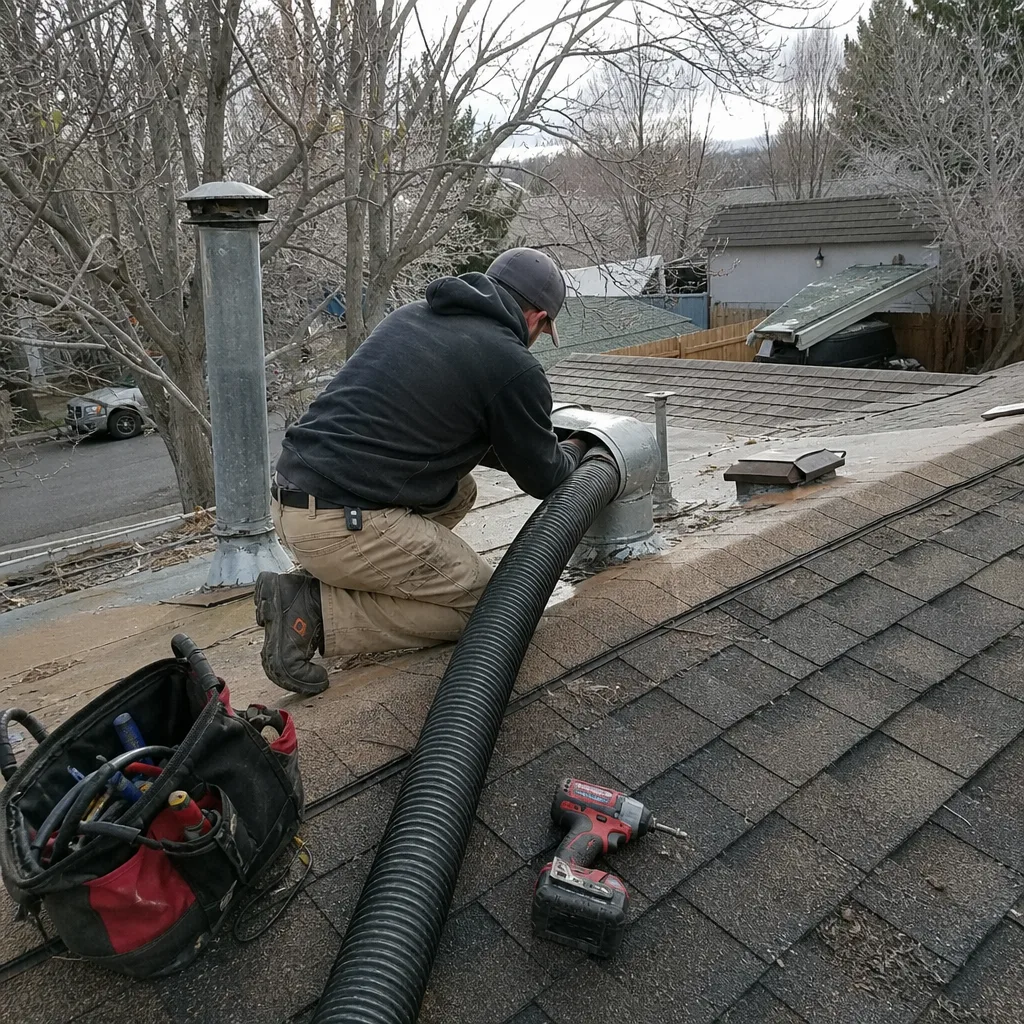 Before
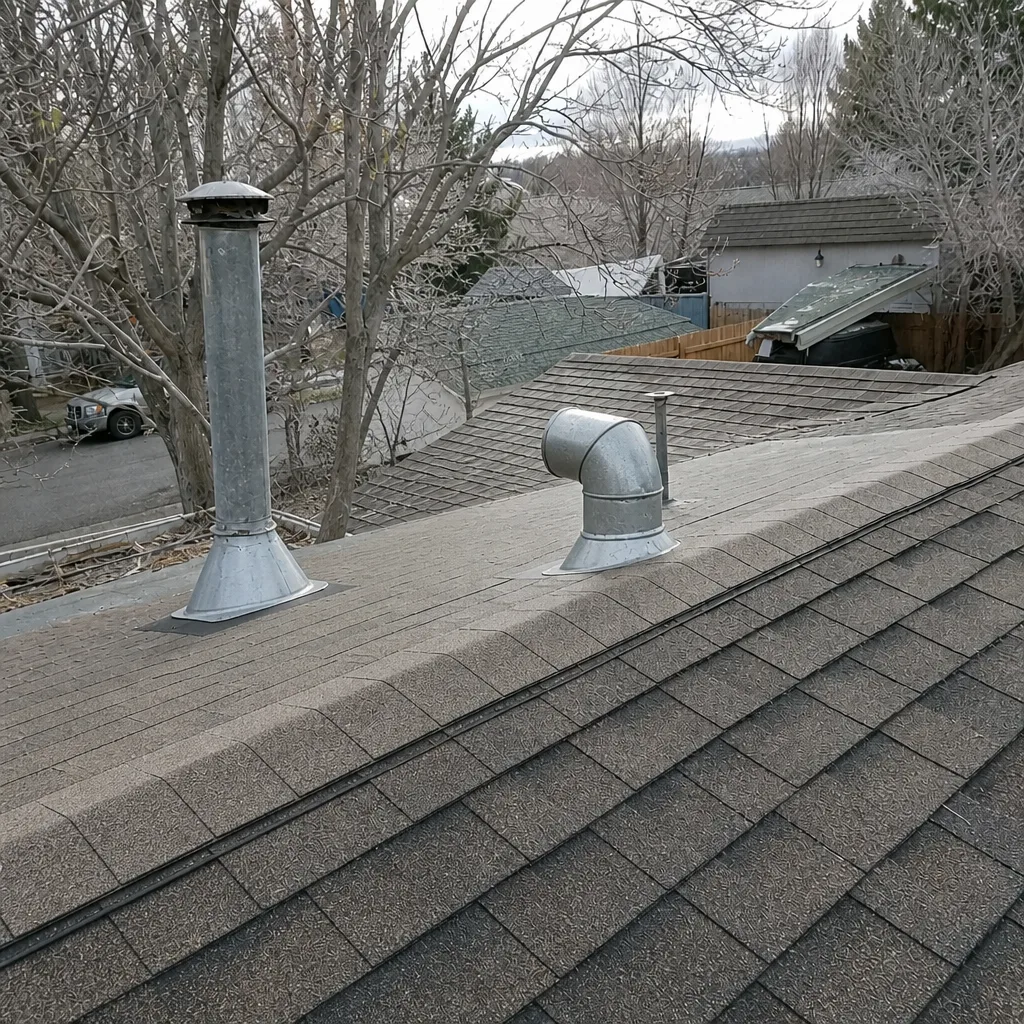 After
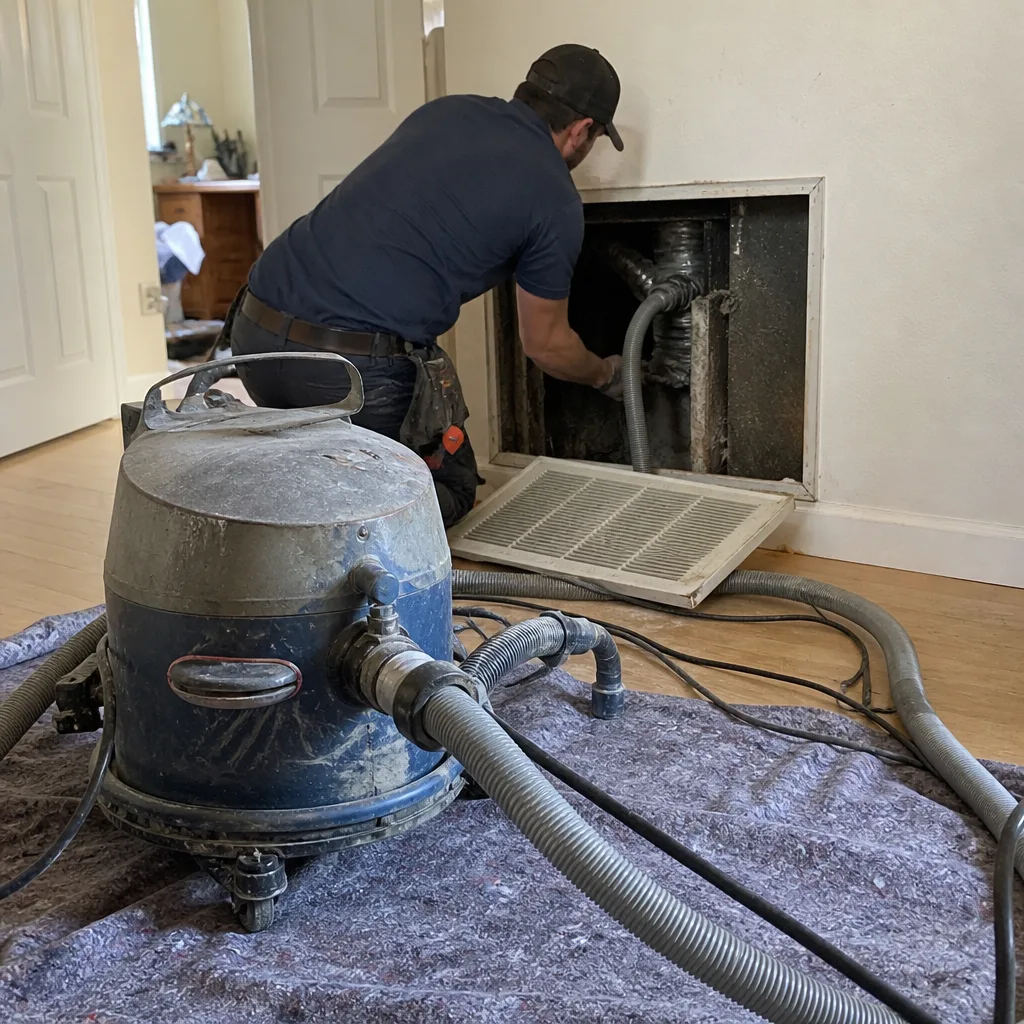 Before
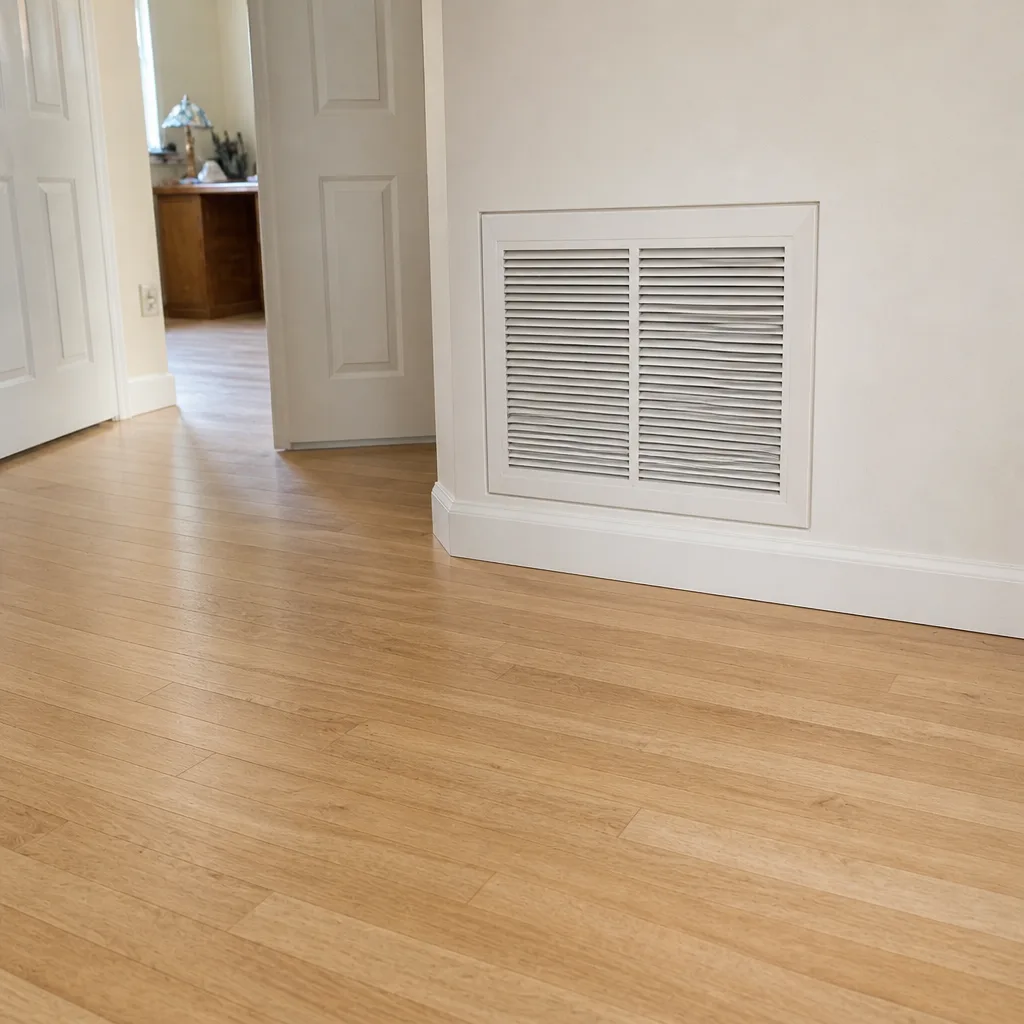 After
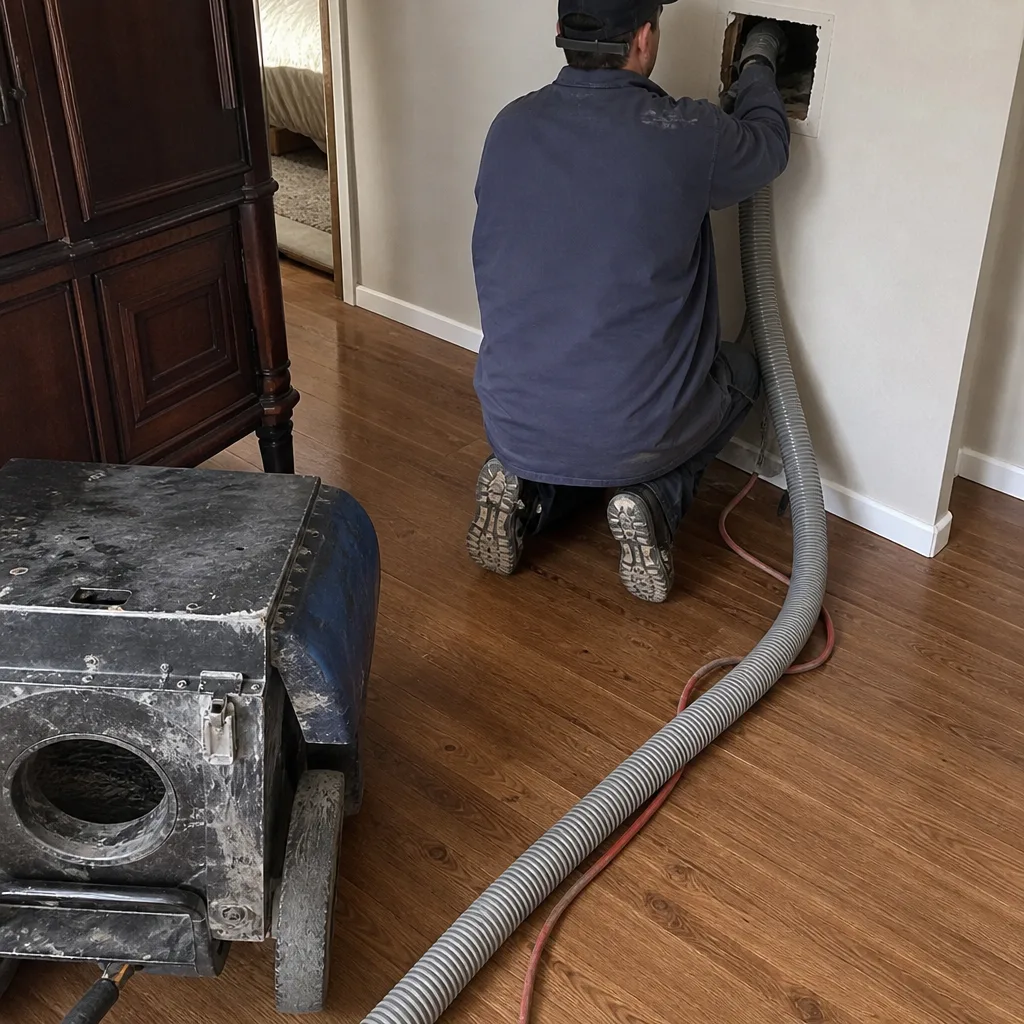 Before
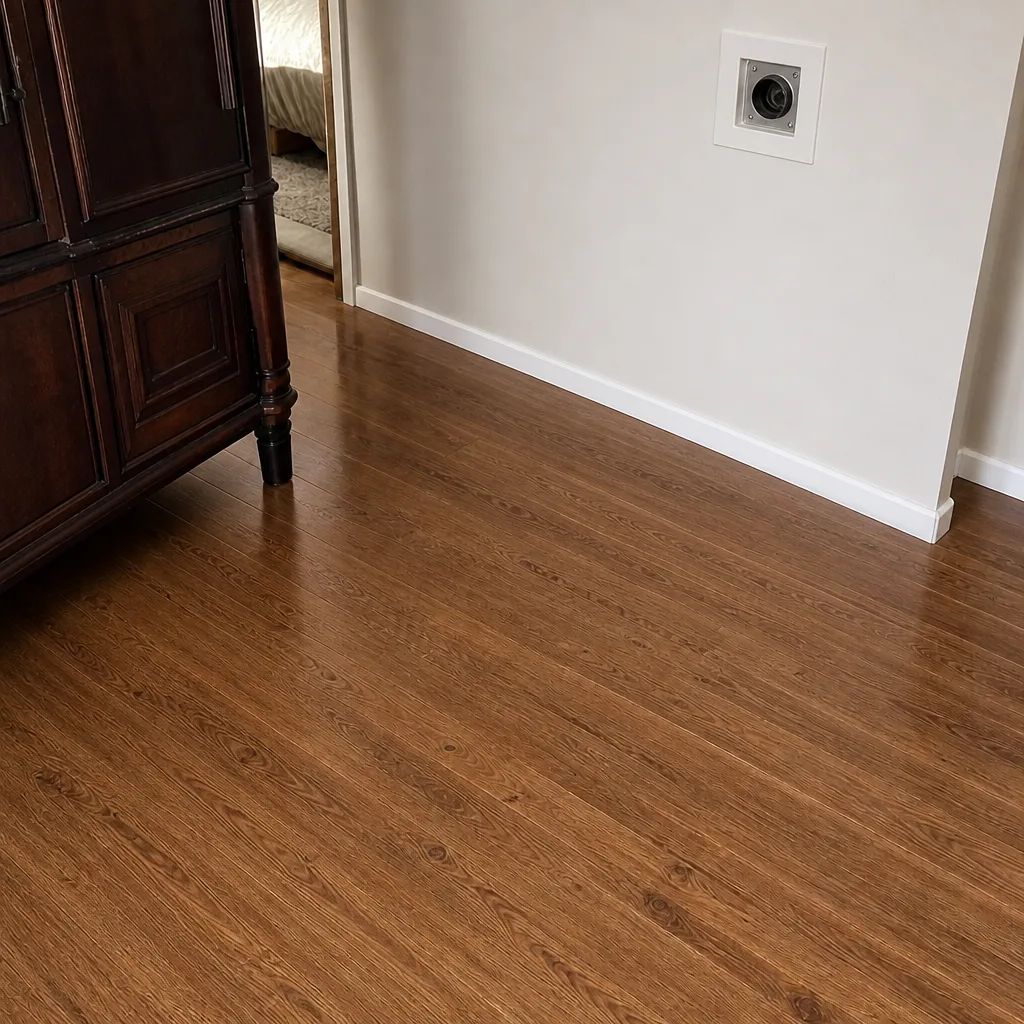 After
Frequently Asked Questions
There’s no single number, and that’s the honest answer. Whole-system cleaning is priced per job based on the number of runs, the system layout, the level of contamination, and whether repairs are needed. Beware of any contractor who quotes a flat price before asking about your square footage and duct count. Call (866) 361-7643 for a free estimate.
Usually because the scope is smaller. A low quote often reflects a shorter visit with weaker equipment, no containment, and no before-and-after documentation. That doesn’t mean every low quote is a scam, but it does mean the price is quoting a different product. Ask what equipment is used and how long the job is expected to take. Call (866) 361-7643 if you’ve got a quote and want a second set of eyes on it.
Ask for before-and-after photos of your own system, taken on the job, plus a findings summary and any repair recommendations. A professional contractor provides all three without being asked. If a contractor can’t produce them, you don’t have proof of the work. Call (866) 361-7643 to schedule an estimate.
It’s a useful signal but not a guarantee. NADCA membership suggests the contractor has committed to a standard of care, but it doesn’t tell you what equipment will show up or whether containment is maintained on every job. Pair the membership check with the three equipment questions and a written scope. Call (866) 361-7643 to talk through specifics.
For most homes, every few years is a reasonable baseline, and many homes go longer without issue. The triggers to move it up are renovations, a new-to-you home, unexplained dust or allergy symptoms, or a system that’s been sitting unused. Call (866) 361-7643 and we’ll help you decide based on the home.
It can be, but treat it as its own service. Dryer vents are a fire risk, not a maintenance afterthought, and the vent line needs full clearance to be safe. Ask for it as a separate scope item so you can verify the work happened. For a full rundown on the dryer side, see our dryer vent cleaning page.
Ask whether they can do repairs in-scope. Older Reno homes often have disconnected runs and loose joints, and a cleaning that doesn’t address those will need to be repeated sooner. A contractor who repairs what they find solves a problem. One who cleans around the damage just moves the debris. Call (866) 361-7643 to talk through the specifics of your system.
The Bottom Line
Air duct cleaning in Nevada is unlicensed, which puts the burden of vetting on you. The good news is that vetting is straightforward if you know what to ask: the extraction unit by name, the HEPA rating, the containment strategy, and the written scope before work begins. Skip the logo checks and the flat-rate quotes. Ask the equipment questions, demand the deliverables, and expect a contractor who repairs what they find. Reno’s climate and housing stock make those answers matter more than the price. Duct Cleaning Reno is ready to walk through it with you.
Call Duct Cleaning Reno at (866) 361-7643 for a free estimate. We answer 24/7. Fast dispatch from 7am to 7pm, Sunday through Friday. Our technicians have up to 15 years of experience and use the same equipment deployed in commercial remediation: Rotobrush mechanical brushing, Nikro HEPA-rated extraction, and Abatement Technologies containment. If your home has a Honeywell or Aprilaire system, bring that up on the call and we’ll factor it into the scope. Thanks for reading, and ask the three questions. They work whether you hire us or not.
Written by the team at Duct Cleaning Reno.